The Chevy Joy Could Plug Back In
With Chinese electric vehicles flooding the global market, automakers have felt the need to respond with affordable models. One of them could be Chevrolet, as the automaker is reportedly considering reviving the Joy nameplate for an all-electric subcompact hatchback.
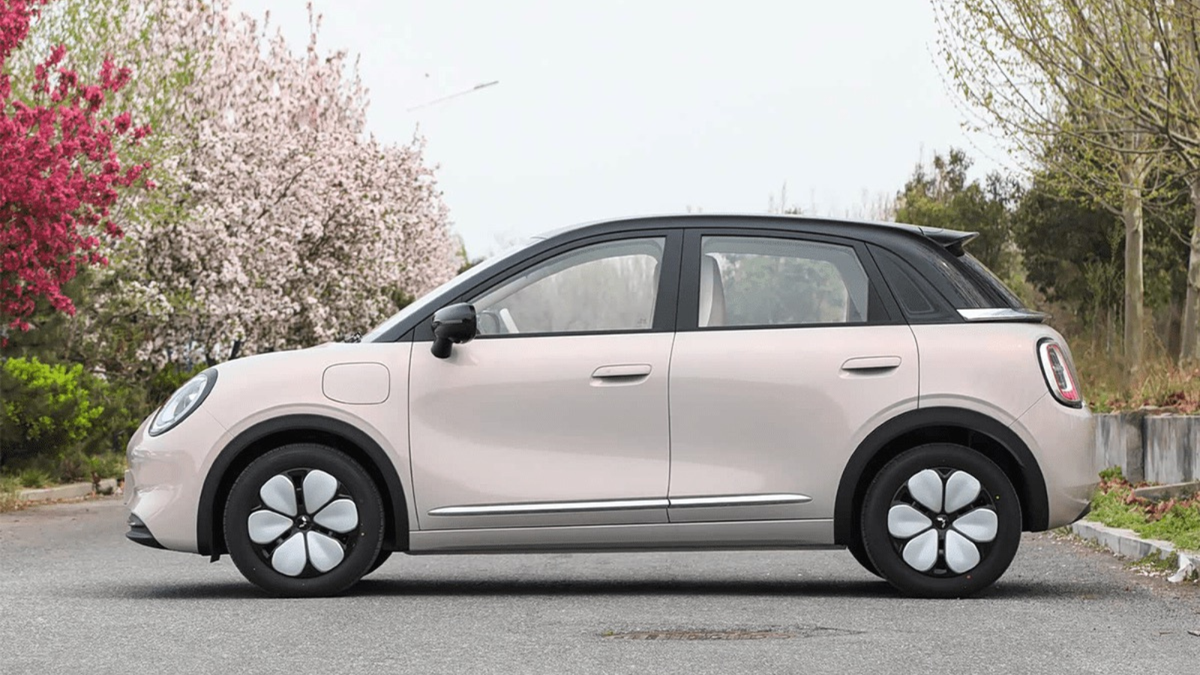
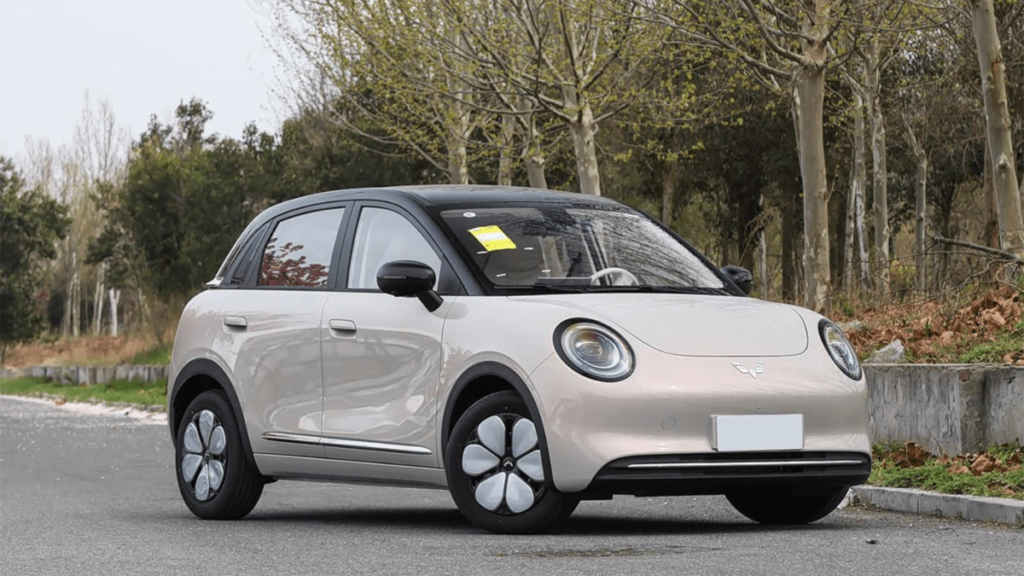
According to GM Authority, citing sources familiar with the matter, the potential Chevy Joy revival could be based on the Wuling Bingo Pro. It could be sold in emerging markets and, if the price is right, should give the Bowtie brand leverage against Chinese-brand cars that offer extensive in-car technology while keeping prices low.
Carrying a Name From The Past
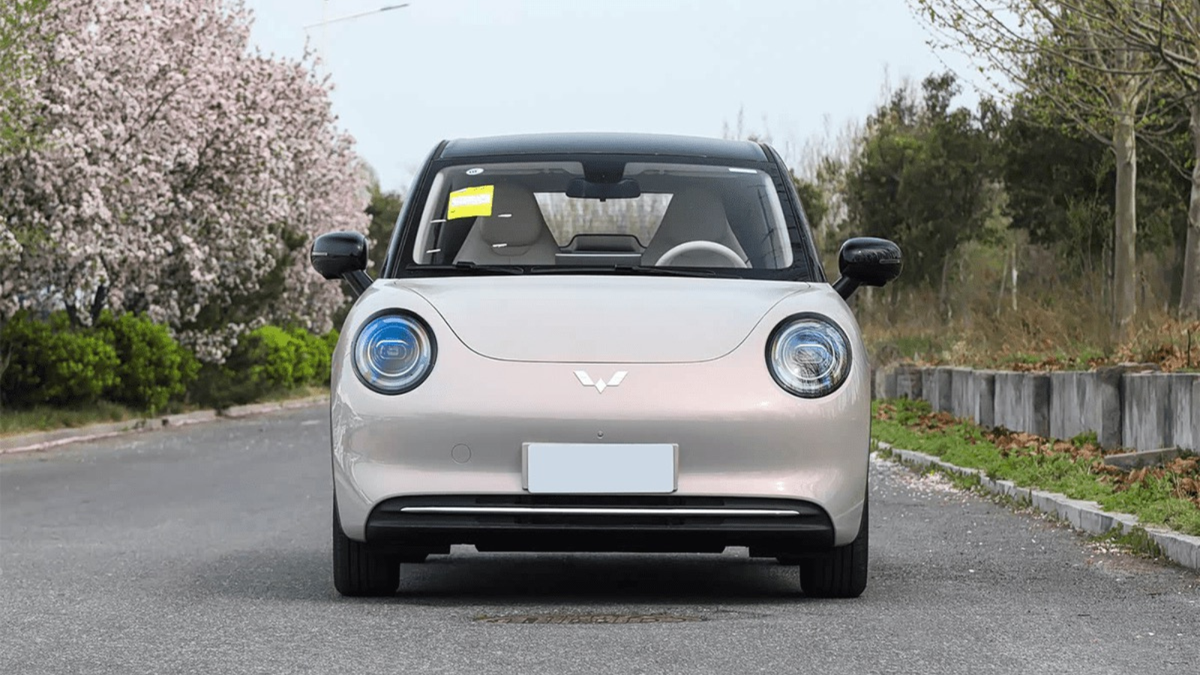
Chevrolet gets access to the Wuling Bingo Pro through the SAIC-GM-Wuling joint venture in China, where General Motors recently discontinued Chevy retail sales following a roughly 99% sales collapse. The Wuling Bingo Pro features a design similar to the Mini Cooper, but rounder. While the EV unmistakably looks like a city dweller, Wuling claims a range of a little over 400 km (248 miles) – surpassing the U.S.-spec Fiat 500e’s 162-mile city-driving range on summer tires.
However, it is worth noting that range estimates in China under CLTC standards tend to be more generous than EPA estimates used in the U.S., so the aforementioned range difference between the Wuling Bingo Pro and Fiat 500e should not be considered a direct comparison.
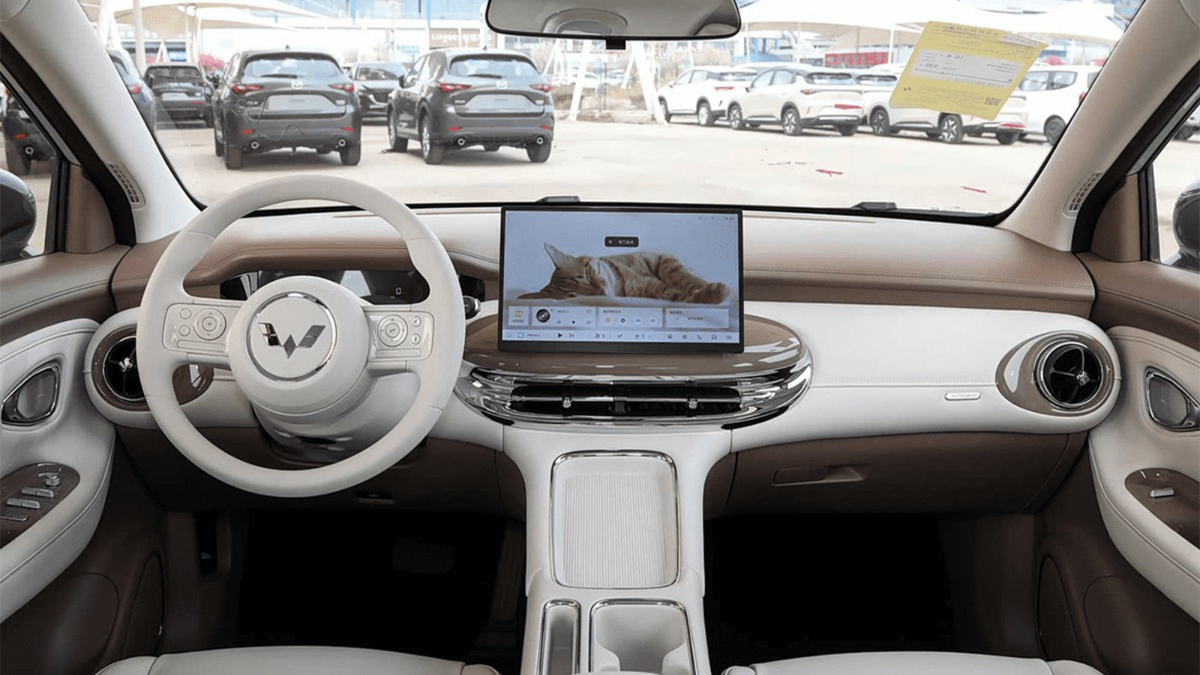
The 403-km (250-mile) Bingo Pro can also recharge from 30% to 80% in 15 minutes using a DC fast charger. Other specs include a maximum output of 65 kW (87 horsepower), a top speed of 130 km/h (81 mph), automatic parking assistance, and a 12.8-inch infotainment screen.
America Isn’t Getting This Joyride
Latin America is a likely destination for the potential Chevrolet Joy revival, especially Mexico, where the nameplate reportedly has strong recognition. Given the preference for larger vehicles in the U.S. and the model’s ties to China, don’t expect a rebadged Bingo Pro to make its way stateside.
However, it does help highlight the need for more affordable EVs in the U.S. One of the most attainable options is Chevrolet’s own Bolt EV, which starts at around $27,600, excluding destination charges. More affordable EVs are coming, including the all-electric Ford Fathom, which starts at $28,350, and the Slate electric truck, offered from $24,950. If the $7,500 federal tax credit had not ended in September 2025, Slate could’ve effectively offered a sub-$20,000 option.
One thing is clear: as long as tariffs and national-security rules effectively keep Chinese-developed vehicles out of the U.S., automakers will face less direct pressure from those rivals to introduce even more affordable options.