California Civil Rights Agency Brings Tesla to Court
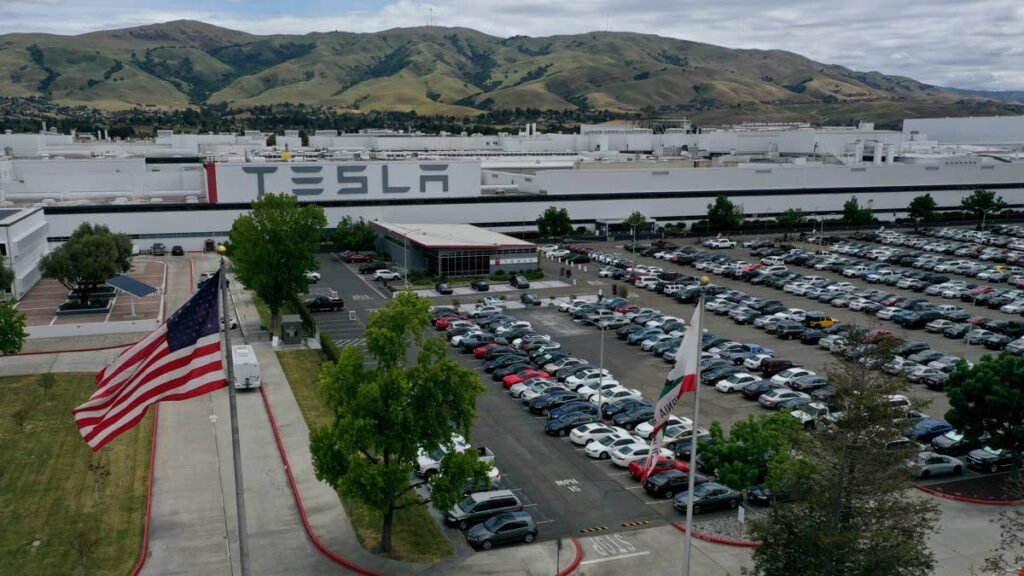
A major legal battle is unfolding in Oakland as the California Civil Rights Department takes Tesla to court over allegations of rampant racial discrimination. State Superior Court Judge Peter Borkon is presiding over this bench trial, which is scheduled to run through the end of October. Initially filed in 2022, this case represents one of the most significant employment discrimination claims leveled against a major American corporation in recent history.
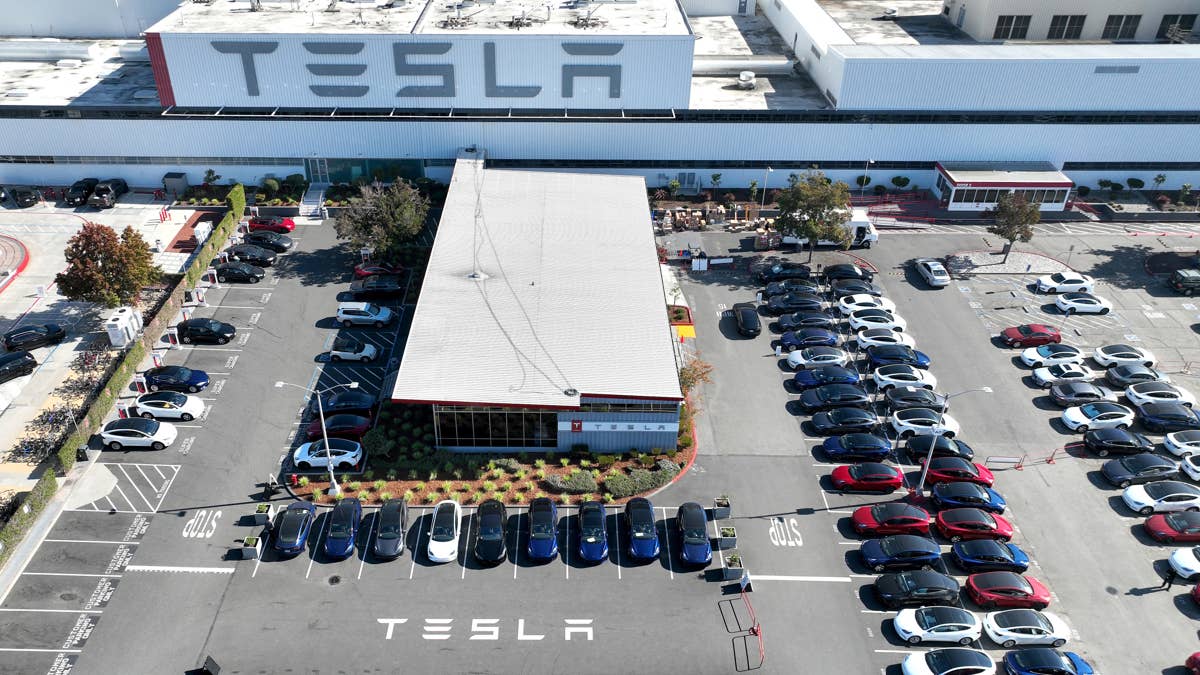
The state agency claims that Black employees at Tesla’s flagship Fremont assembly plant faced pervasive harassment, including persistent racial slurs and offensive graffiti. The lawsuit alleges systemic segregation, asserting that Black workers were routinely assigned to the lowest-paying jobs while being denied standard promotional opportunities. Tesla, however, continues to deny these allegations, stating that it immediately dismisses workers found engaging in misconduct.
Uncapped Damages and a Pattern of Factory Safety Failures
Because this is a state civil rights case, California law does not place a cap on the damages a judge can award. If Tesla loses, the financial penalty could reach into the tens of millions. The automaker has faced similar pressure before, having settled individual claims while navigating an overlapping lawsuit from the federal Equal Employment Opportunity Commission, according to a report from Reuters.
This trial highlights broader workplace controversies across the company’s facilities. The automaker’s internal culture has been scrutinized on multiple fronts, including a recent lawsuit where the company was sued for allegedly favoring visa workers over domestic American applicants. Security and worker protection are also under the microscope; the company faced legal action after an assault suspect violently attacked a female coworker on the factory floor months prior to an Austin shooting.
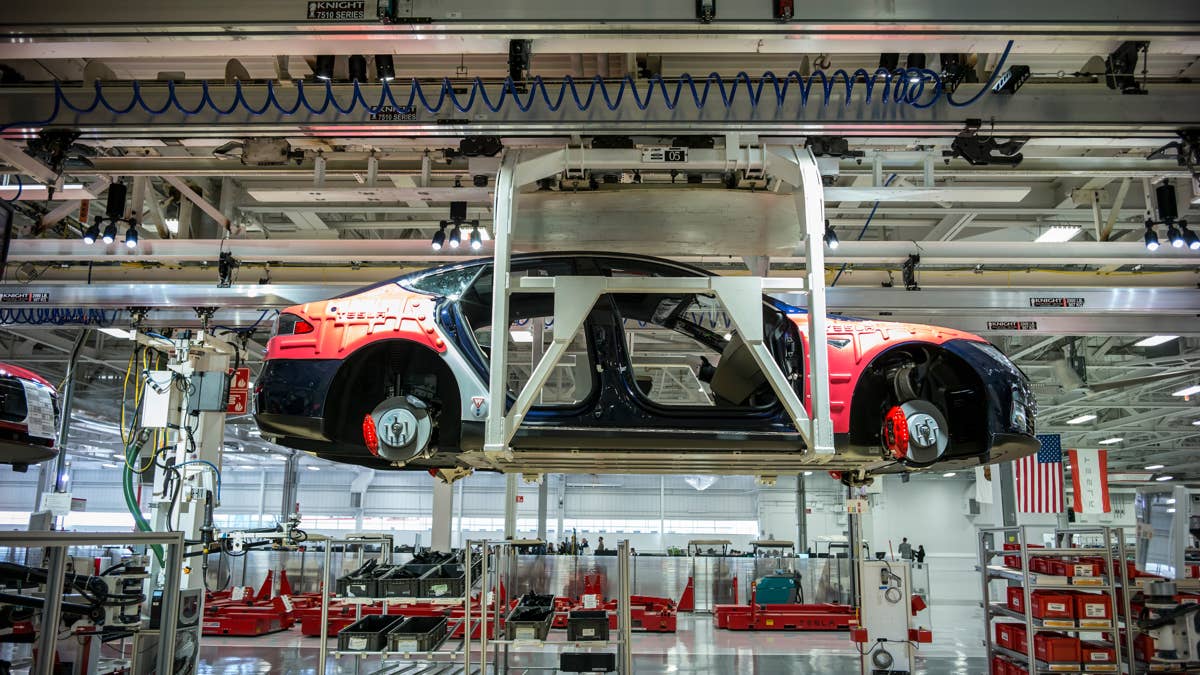
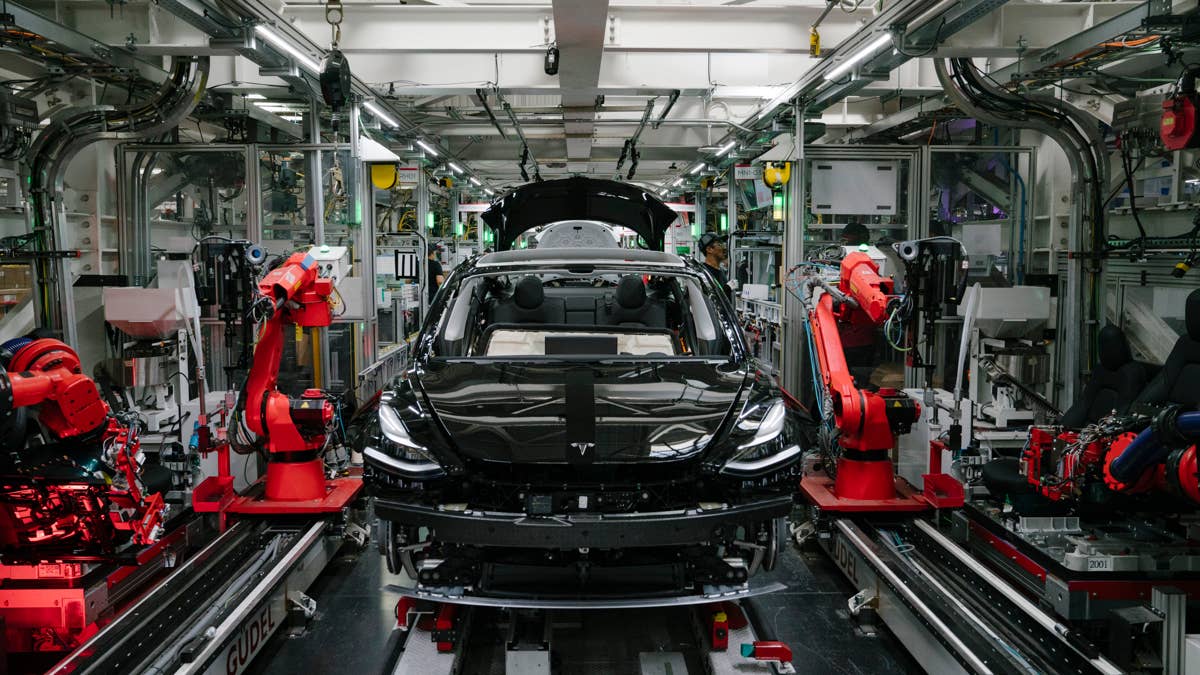
Physical safety on the assembly line is driving major litigation as well. In one incident, a malfunctioning factory robot knocked an employee unconscious, resulting in a $51 million lawsuit. Meanwhile, another severe negligence claim emerged after falling Cybertruck parts severely injured a worker on the line. These cascading legal issues portray a chaotic manufacturing environment.
Automakers Must Prioritize Factory Workers Alongside Vehicle Innovation
We spend our days evaluating battery range, autonomous software, and manufacturing efficiency. Yet, it is impossible to marvel at the vehicles rolling out of Fremont without examining the human foundation required to build them. If these sweeping allegations are proven true in court, Tesla’s flagship factory operated with an unacceptable tolerance for prejudice and hostility.
Tesla maintains a strict anti-discrimination policy and defends its workplace practices, but the sheer volume of litigation points to an environment that desperately needs reform. Building the automobiles of tomorrow cannot be subsidized by archaic and toxic workplace conditions. True industry leadership requires a commitment to both cutting-edge engineering and the basic dignity of the assembly line workforce.