Most home renovations begin with a brief. However, this 1955 Paul Rudolph original, located in Delray Beach, Florida, began with a discovery. When Nina and Michael Marco of Casa de Marco Design purchased the former Sewell C. Biggs Residence in 2018, they found a red velvet bag in a bedroom closet—inside were 1950s photographs of the home and Rudolph’s hand-drawn plans. Working closely with Jeffrey Silberstein of Silberstein Architecture, the Marcos revitalized the 1,600-square-foot home, reconstructing Rudolph’s tropical modernist design.
Photography by Venjhamin Reyes
From start to finish, the renovation took six years, yet the Marcos resisted the temptation to make things easier. The challenge was never the design; it was finding where preservation and modern safety intersected: reconciling the 1955 structure with present-day hurricane codes.
Photography by Venjhamin Reyes
For Michael, staying consistent with the creative direction Rudolph envisioned more than 70 years ago was imperative. “From day one, our mandate was simple: honor Rudolph’s design no matter how difficult, time-consuming, or costly,” he says.
Photography by Venjhamin Reyes
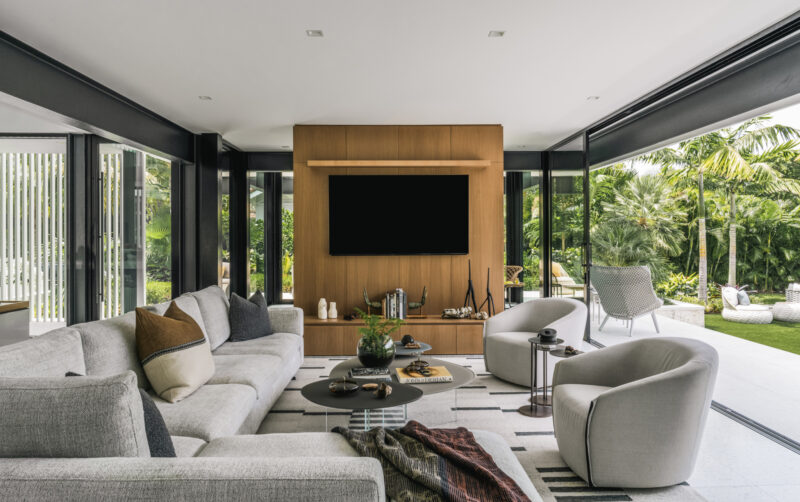
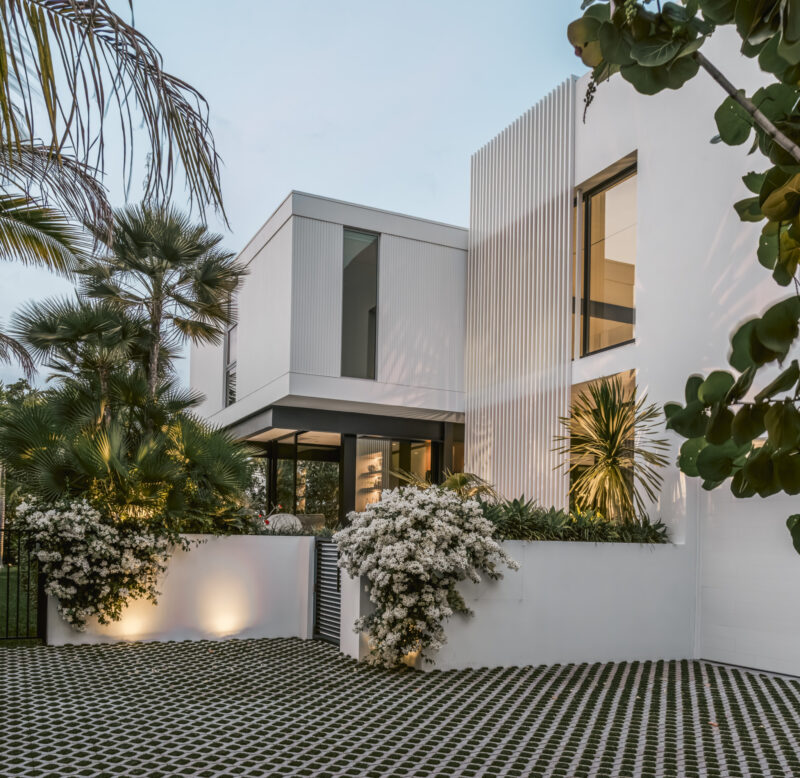
The home merges the original steel structure, rehabilitated and raised to meet coastal flooding standards, with the initial layout of two bedrooms, two bathrooms, and an elevated rectilinear glass pavilion suspended on steel columns. Exposed structural beams complement expansive glass openings, and jalousie windows allow the Atlantic breeze to circulate through the space.
Photography by Venjhamin Reyes
Adhering to the home’s historic preservation requirements, a two-story glass-enclosed breezeway serves as the architectural hinge, linking the original Biggs Residence to the new contemporary addition. Silberstein conceptualized the breezeway, which contains a high-end kitchen and powder room. The addition also includes two bedrooms with en-suite bathrooms and a two-car garage.
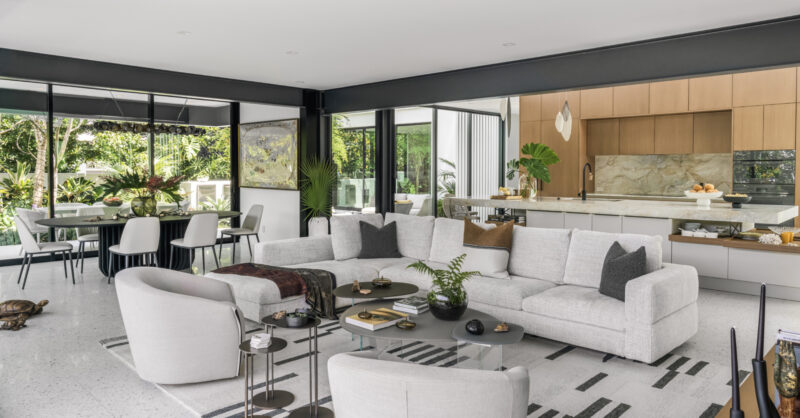
Photography by Venjhamin Reyes
This addition not only serves as the one place where old and new physically meet, but also echoes Nina’s philosophy on working with historic properties. “The past should not be roped off behind glass,” she says. “It should be lived in, walked through, and built upon with the same care it was given the first time.”
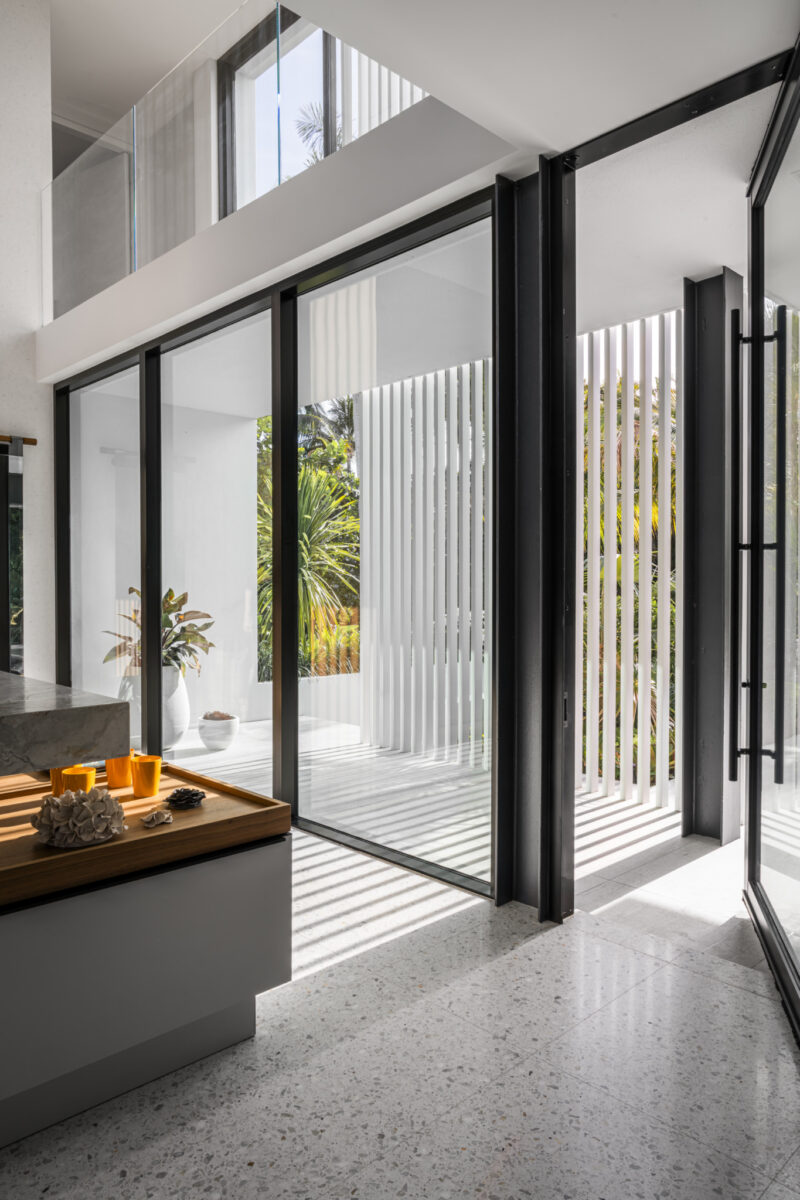
Photography by Venjhamin Reyes
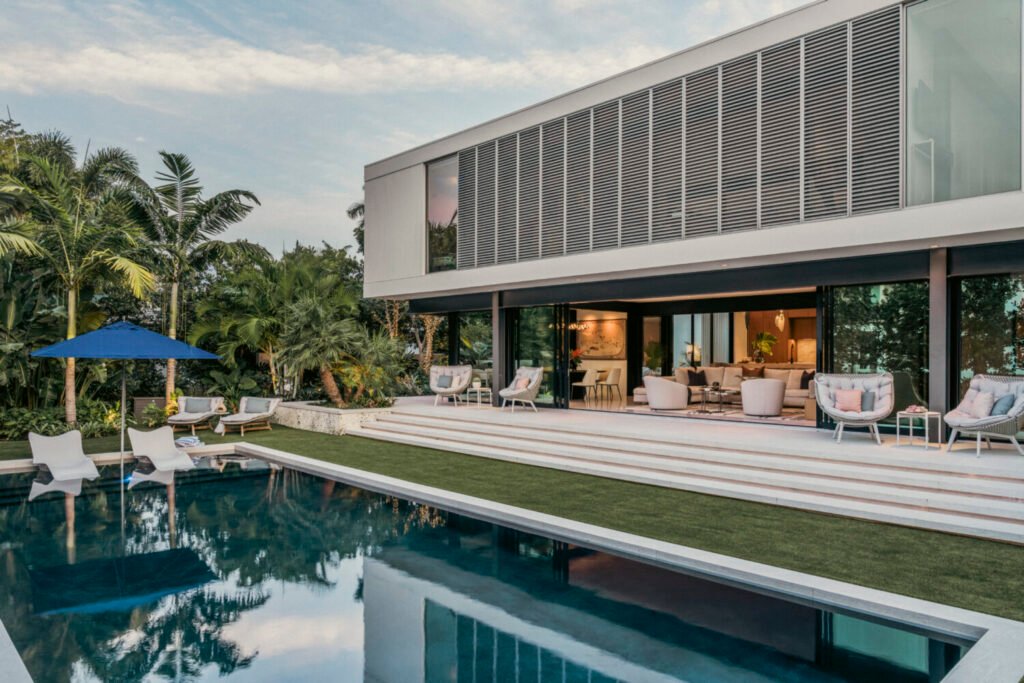
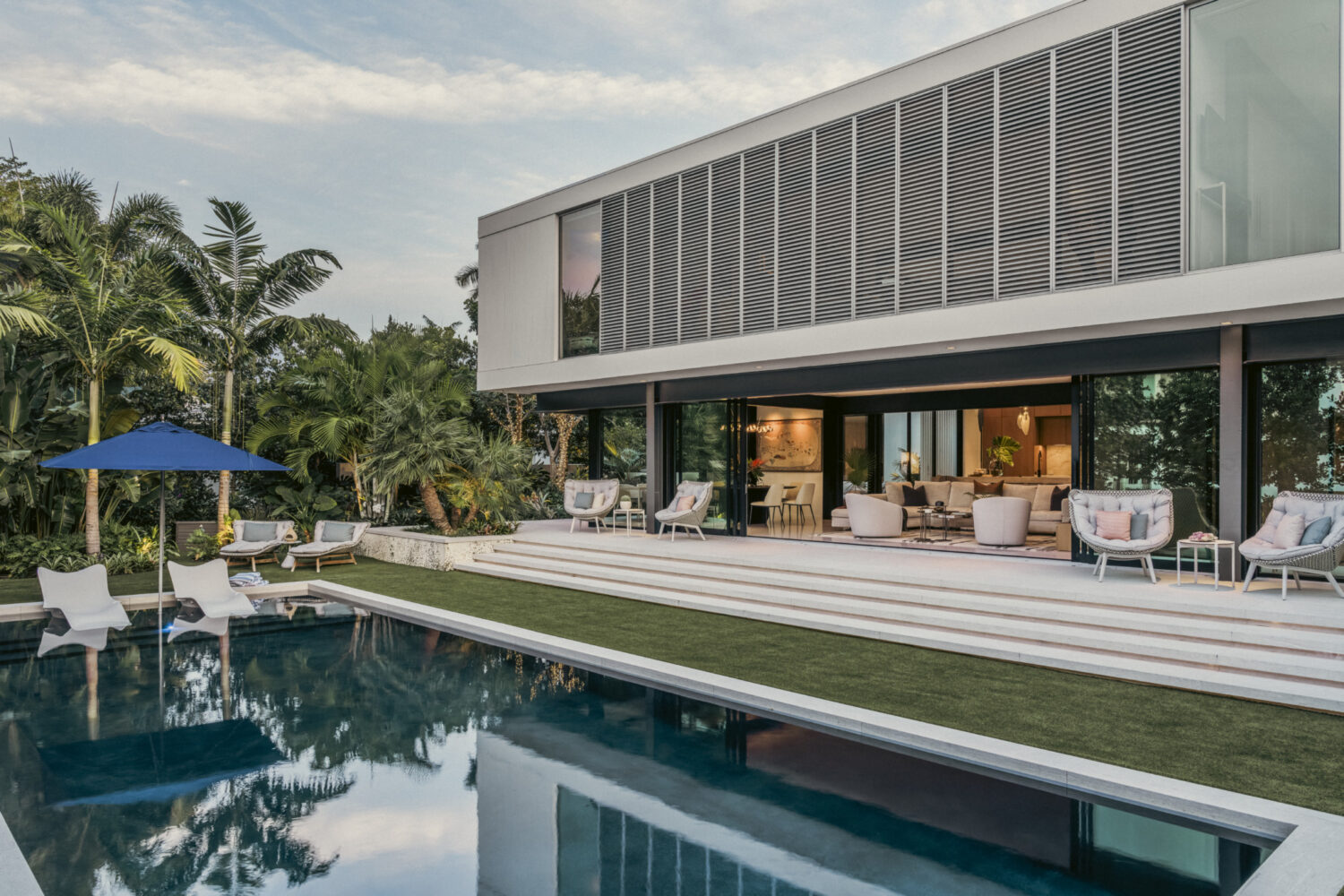
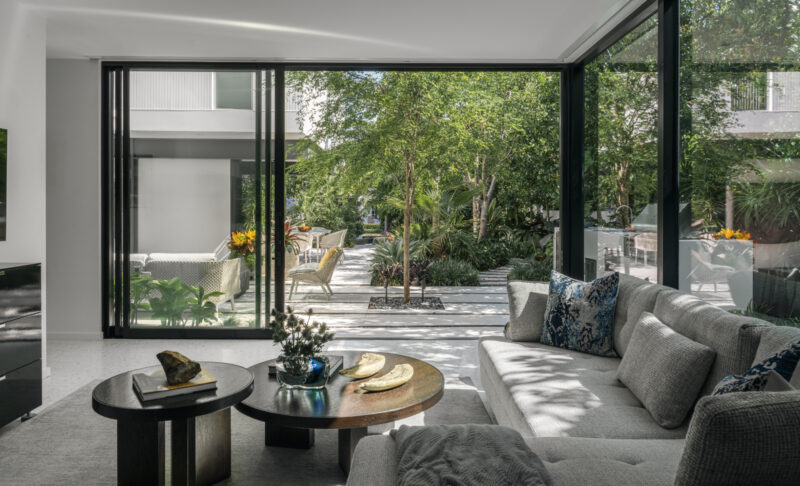
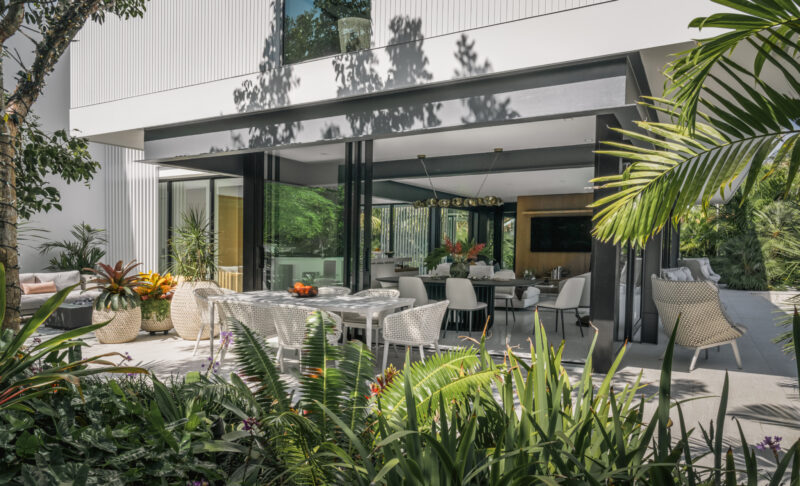
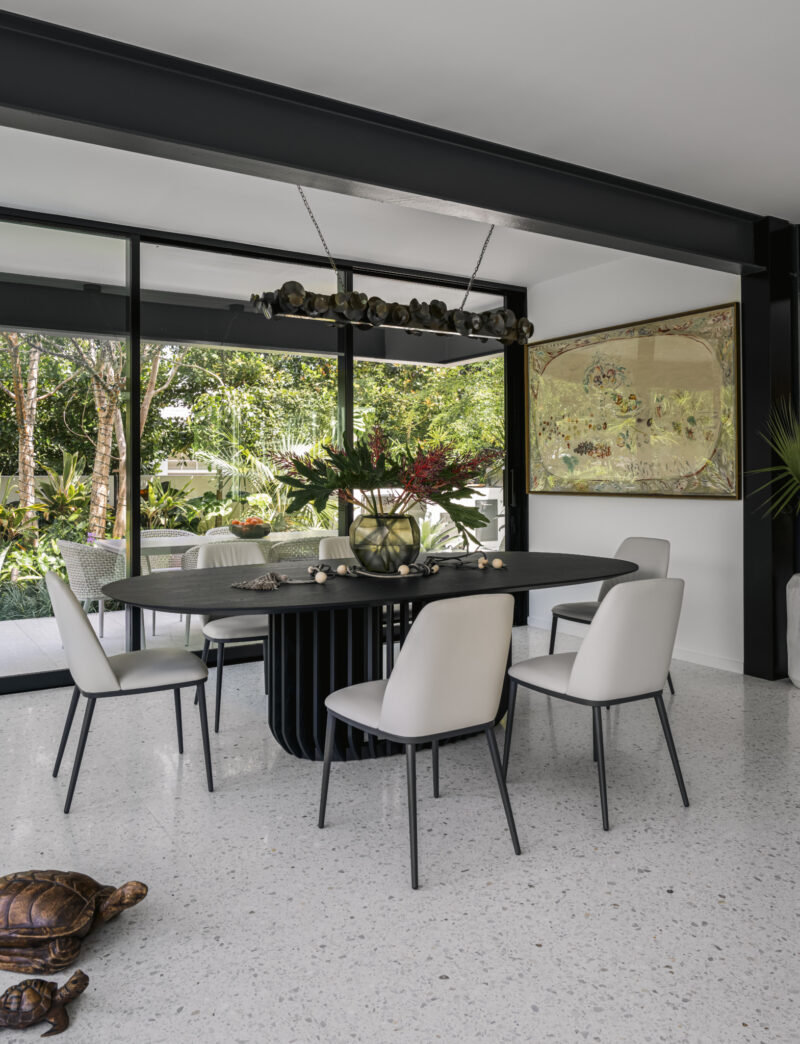
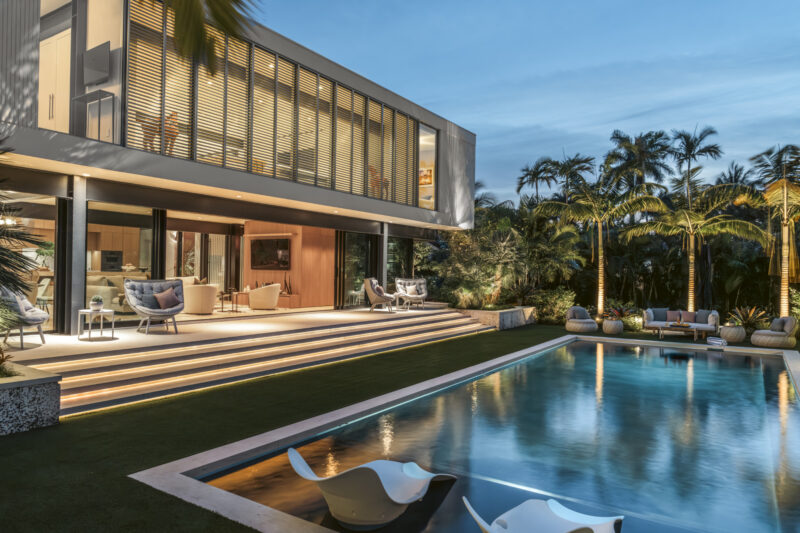
The Marcos enclosed the space beneath the elevated steel structure, previously an open-air entertainment area and carport, with expansive sliding glass panels, realizing a concept found in Rudolph’s original drawings. By enclosing the lower level in glass, the Marcos created a transparent, recessed ground floor that became the home’s primary living, dining, and entertainment space.
Photography by Venjhamin Reyes
Outside, lush tropical landscaping wraps around the residence, and a sleek terrace sets the stage for a contoured swimming pool, reintroducing the mid-century style to modern coastal living.
Photography by Venjhamin Reyes
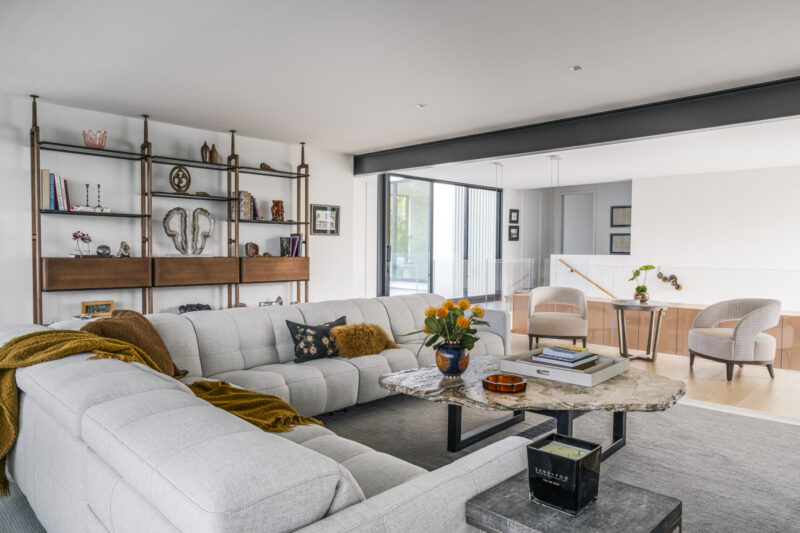
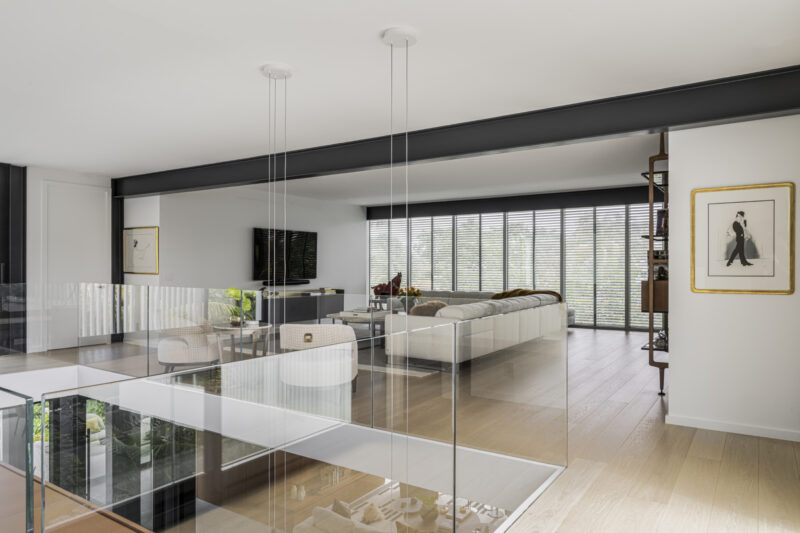
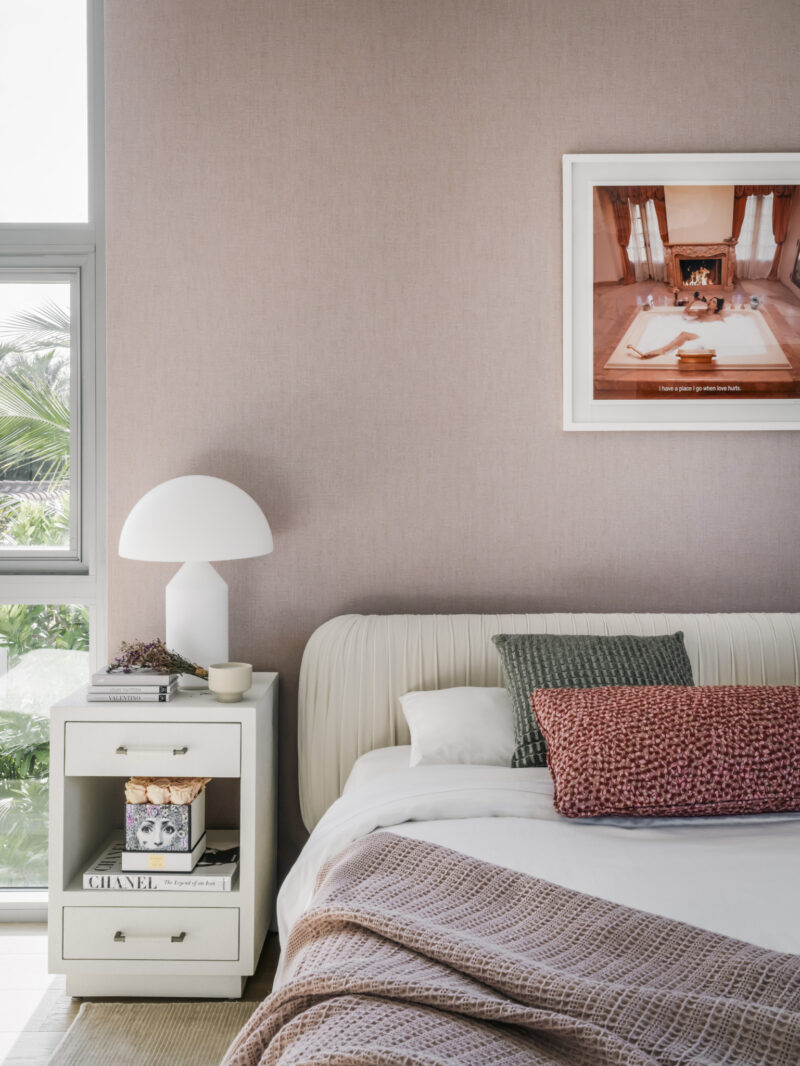
With a palette meant to recede into the surrounding landscape, the color story brings touches of sand, sea, and sky to the home, accented by the natural wood woven throughout. Extra White from Sherwin-Williams on the exterior lets the iconic steel beams take on sculptural qualities. That same restraint continues inside, with warm neutrals and textures adding softness to the space.
Photography by Venjhamin Reyes
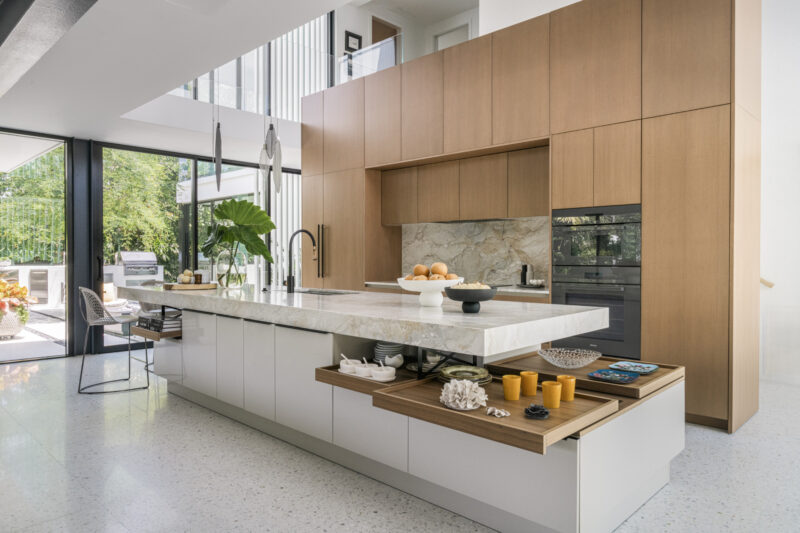
Staying consistent with Rudolph’s vision, the Marcos chose materials prominent in the 1950s. Oyster-pebble terrazzo imported from Italy enhances the kitchen’s floating island, echoing the home’s own elevated form. Family heirlooms, vintage Lalique glassware, and original photographs of the home are woven throughout the space.
Photography by Venjhamin Reyes
“Terrazzo, aluminum, and natural stone are all materials that Rudolph himself would have reached for because they age beautifully in a coastal climate,” Nina says. “Nothing in this house is generic; every material earned its place.”
Photography by Venjhamin Reyes
For Nina and Michael, reconstructing the Biggs Residence and preserving a Paul Rudolph original isn’t simply about the architecture—it is “one of the greatest honors” of their careers. For them, it’s about “safeguarding a piece of cultural history and ensuring it can be lived in, loved, and appreciated for generations to come.”
Photography by Venjhamin Reyes