The Comeback Engine
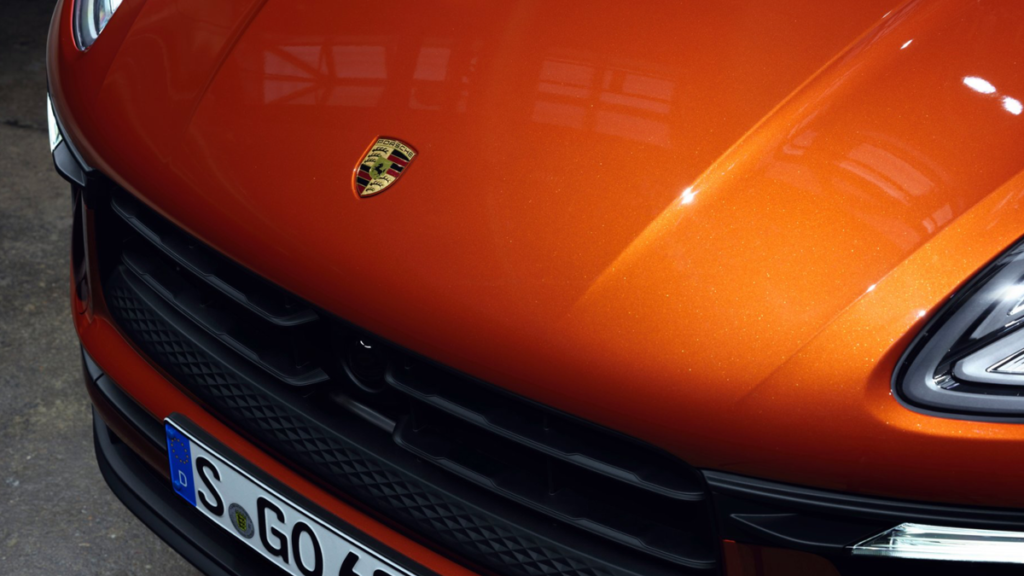
Given Porsche’s long performance credentials, it surprised some when the German marque decided to fully electrify the 718 and Macan. Slower-than-expected EV adoption essentially forced a turnaround, with the Macan set to return with a combustion engine in 2028.
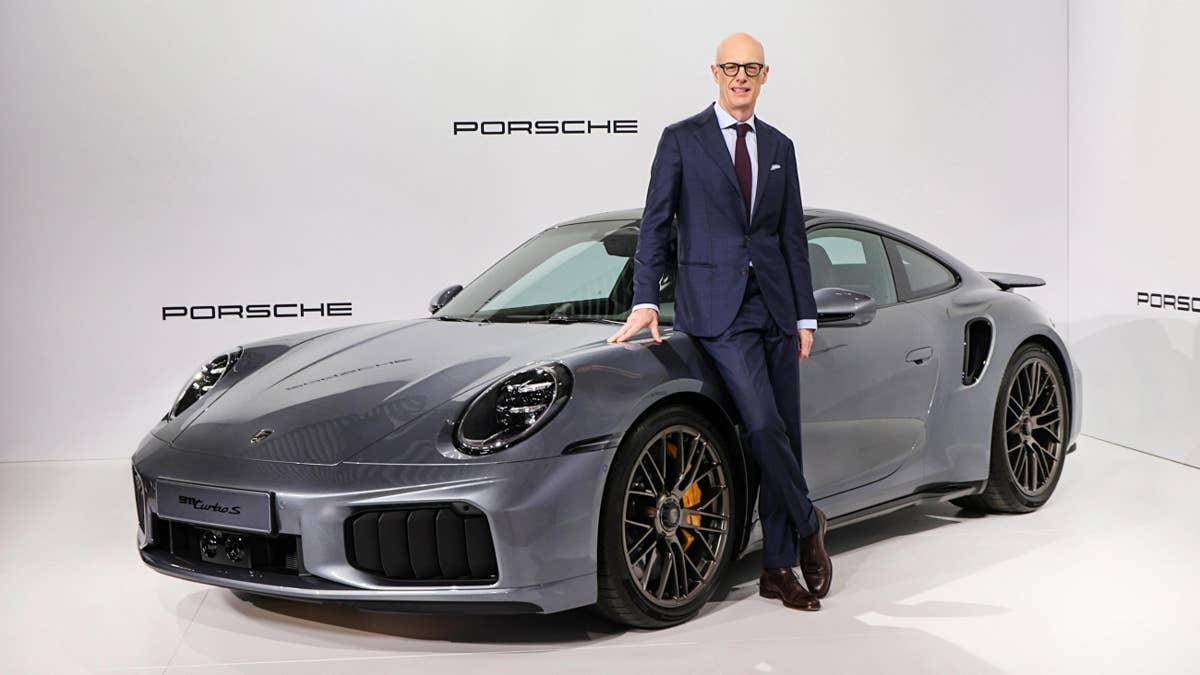
Now, Motor1, citing the Financial Times, reported on a new interview with Porsche CEO Michael Leiters regarding the thought process behind reviving a gas-fed Macan. Leiters, who took office at the start of the year, said the company needs to restore its gasoline lineup while avoiding duplicate investment in gas and electric vehicles in the same segments. Doing so would establish a more balanced lineup for customers who are not ready to switch to EVs.
The Cost of Going All-In
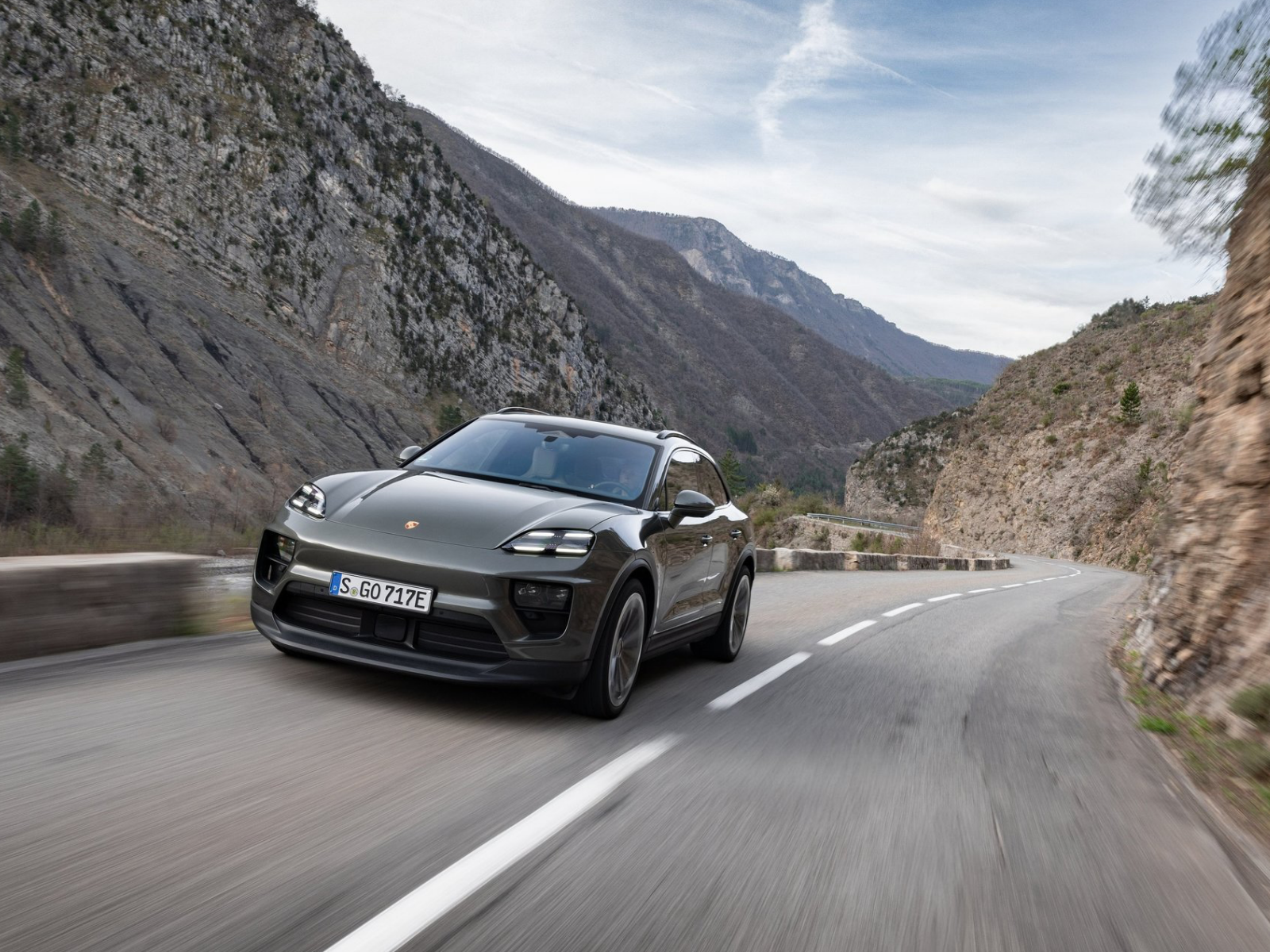
To be fair, the Macan Electric started strong, even outselling its gas counterpart in 2025. Production of the gas version has since ended, which sort of backfired, as Porsche will eventually be left with the all-electric version once remaining inventory runs out amid slower-than-expected EV adoption and fiercer competition, especially in China, where local players offer more affordable alternatives with comparable performance and technology.
The U.S. has also become a tougher market for EVs, with the Trump administration rolling back EV-friendly policies. Moreover, tariffs haven’t helped Porsche’s case, as the automaker has no U.S. production and imports the Macan from Germany.
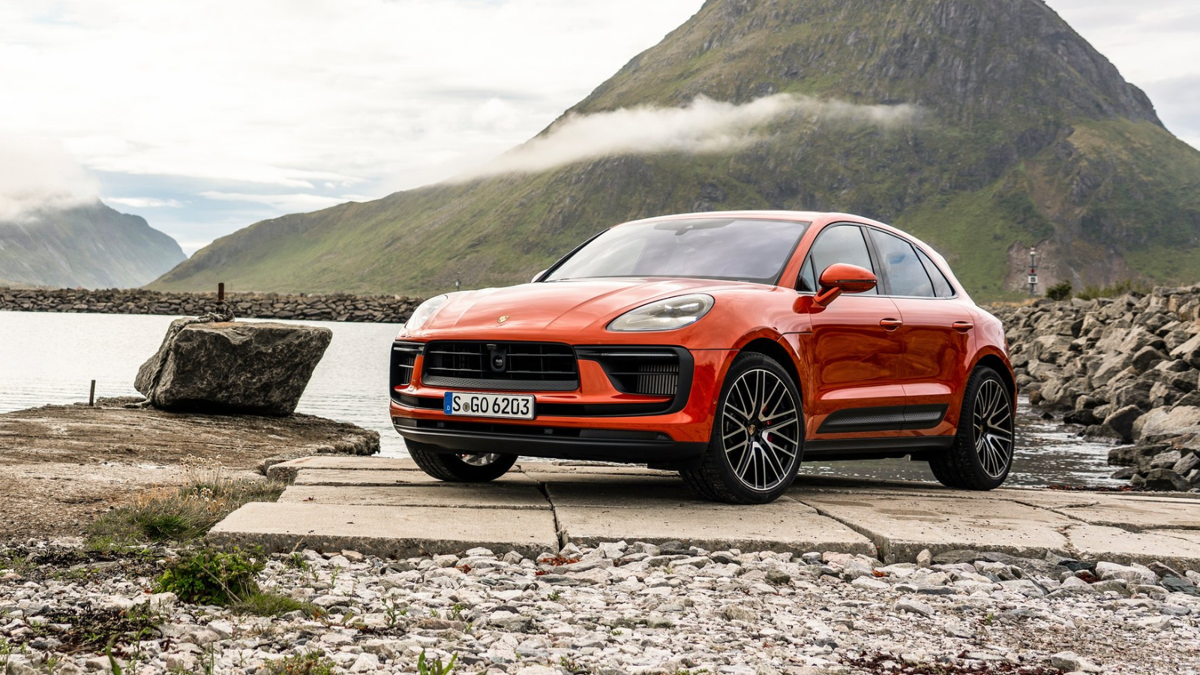
With a returning gas version, the Macan could appeal to a wider audience while providing the automaker more flexibility, especially when it comes to choosing the ideal powertrain depending on specific regional needs, instead of offering an EV version only. Reports suggest that the fuel-fed Macan could be underpinned by Audi’s Premium Platform Combustion (PPC), which is used by the Q5.
Porsche
Avoiding Double Trouble
That aligns with Leiters’ latest statement, as it would help avoid the cost of developing a dedicated combustion architecture from scratch. The Macan Electric rides on the Premium Platform Electric (PPE), which was jointly developed by Porsche and Audi. An evolved version also underpins its larger crossover sibling, the Cayenne Electric.
The new interview also touched on the Porsche 911, which Leiters said would be excluded from the multi-powertrain approach. As such, the 911 isn’t expected to get a fully electric powertrain, though it is already available with a hybridized boxer engine. The hybrid-assisted Turbo S delivers 701 horsepower, making it the most powerful production 911 to date.
Meanwhile, development of the all-electric 718 is still in progress, despite earlier reports suggesting the program had been canceled.
Porsche