Small but Mighty
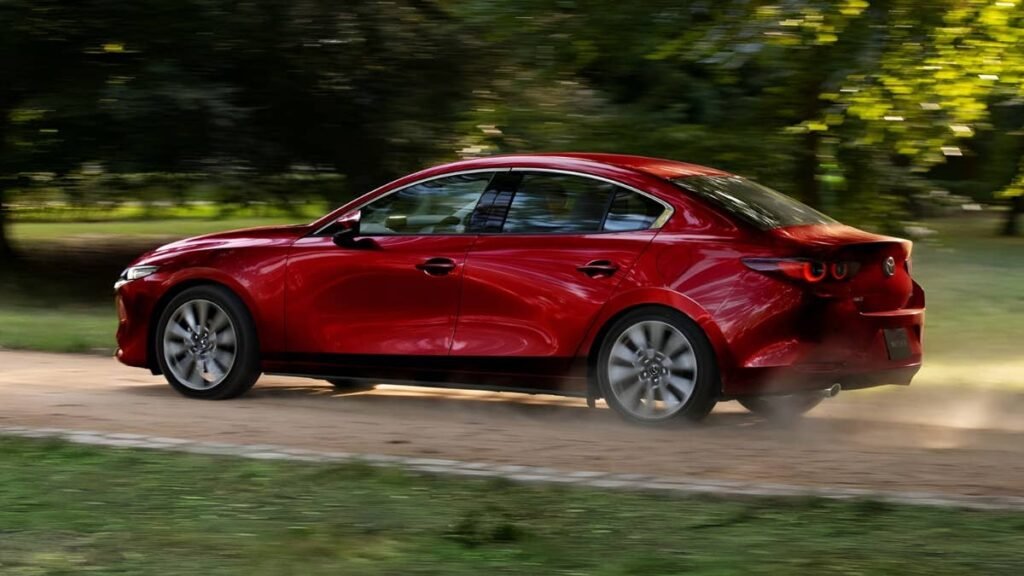
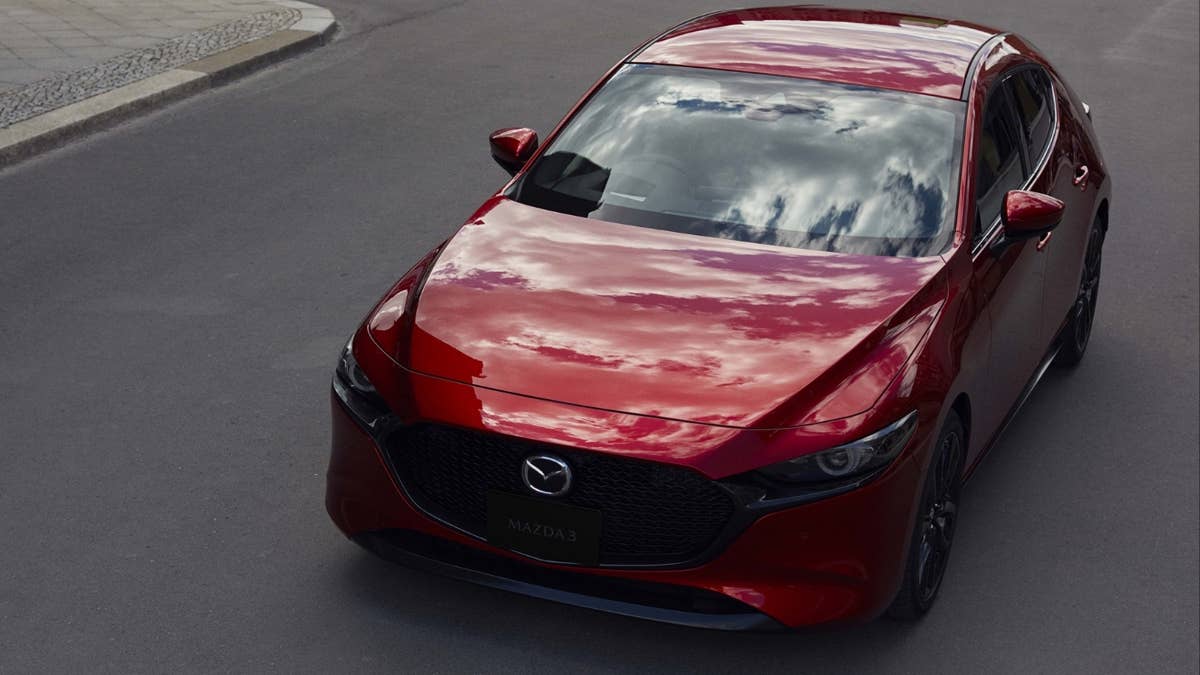
The U.S. is known for strong demand for large vehicles like the Ford F-150, but recent market developments, such as rising gas prices due to the conflict in the Middle East, have put the spotlight on small, efficient cars, including hybrids. This trend is reflected in Mazda’s September 2026 U.S. sales, which show significant growth for the Mazda3 and the brand’s hybrid models.
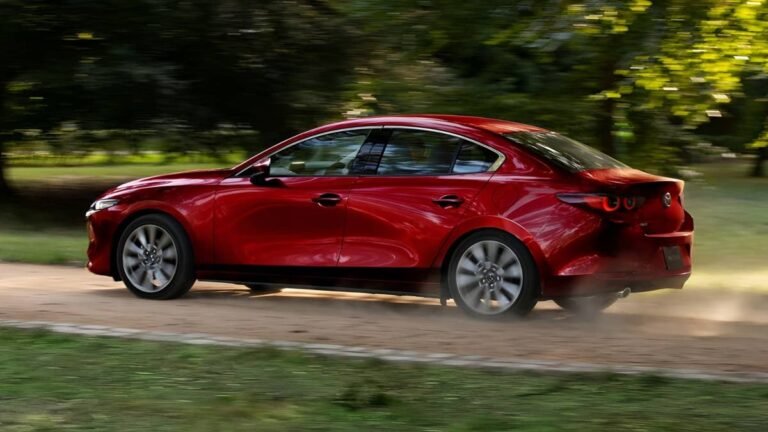
The Mazda3 sold 3,704 units in September 2026, a 146.9% increase from 1,500 in the same period last year. Of those, 2,794 were sedans, representing a 167.9% increase, while the remaining 910 units were hatchbacks. Other highlights include best-ever September sales for the CX-50 (combined ICE and hybrid), the CX-50 Hybrid, and the CX-90 MHEV.
Mazda
Different Bets
Mazda’s sales growth highlights a different approach from the Detroit Three – Ford, General Motors, and Stellantis – which have largely abandoned mass-market sedans, while GM’s only hybrids in North America are Corvette variants. That’s even more relevant today, as The Detroit News, citing an analysis from J.P. Morgan, reported that each of the Detroit Three automakers lost market share in September.
Other Asian automakers like Toyota have also gained ground amid growing demand for sedans and hybrids.
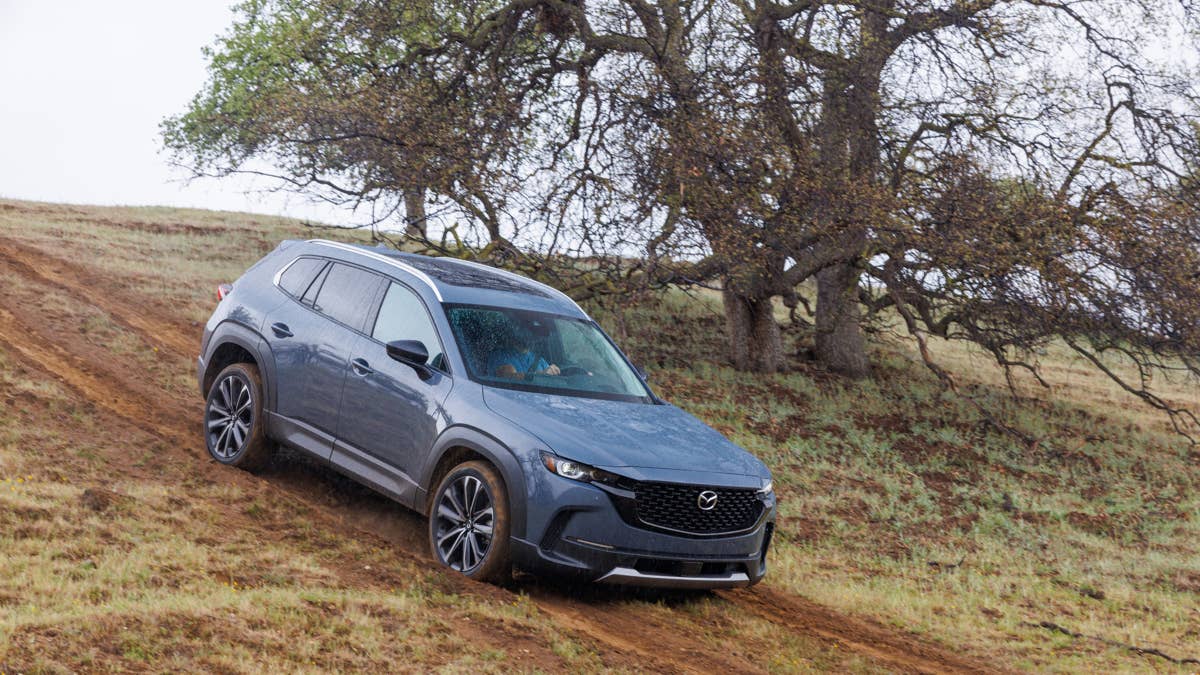
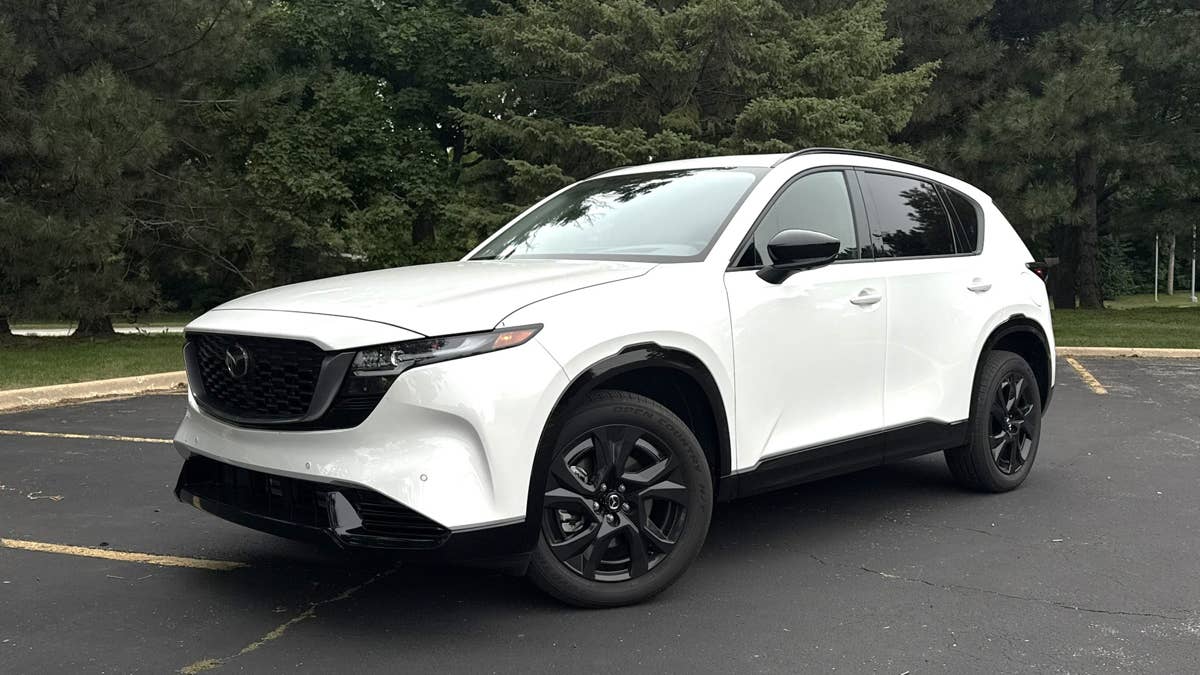
Despite this sales trend, Mazda’s volume seller remains a crossover, specifically the CX-5, which sold 11,345 units in September 2026, up 37.8% year over year. Meanwhile, its outdoor-oriented alternative, the CX-50, sold 9,147 units, up 3.1%. Interestingly, their sales from January to September 2026 are close, with the CX-5 selling only 411 units more than the CX-50, at 95,762 units.
Mazda
A Mixed Garage
Overall, Mazda sold 34,519 units in September 2026, a 31.9% increase year over year, and 310,268 units in the first nine months of this year, down 2.9% compared to the same period in 2025. Much of the year-to-date drop came from crossovers, including the CX-30 (down 27.1%), CX-5 (down 9.5%), CX-70 (down 21%), and CX-90 (down 21.7%).
It would be interesting to see how demand for sedans and hybrids holds up once gas prices fall and affordability issues ease. The average new-vehicle price in the U.S. reached $50,089 in August, adding another reason for buyers to look toward smaller, more affordable vehicles. For now, automakers offering these vehicles can find themselves in the sweet spot.
Amos Kwon