Anti-Haptic Controls
A couple of automakers have already admitted that they went overboard with capacitive touch controls. Some have taken corrective action, such as Volkswagen and the ID. Polo and ID. Cross. If anything, it’s a popular move that’s paying off for the German automaker.
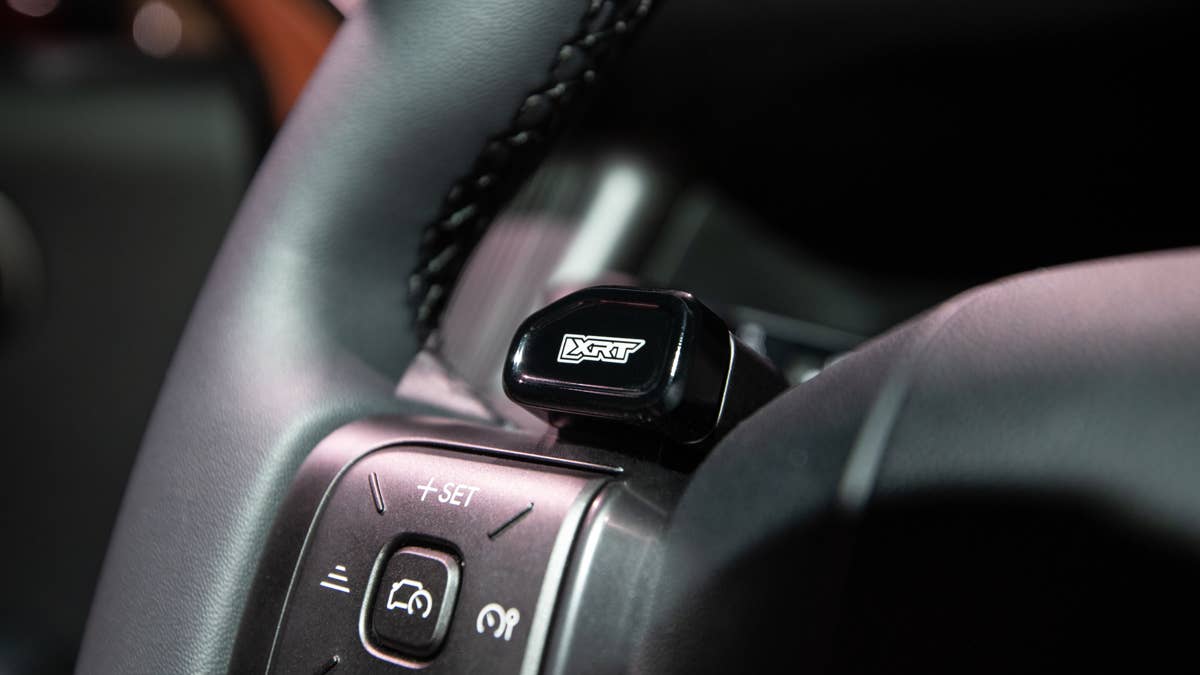
Then there are those that committed to physical controls after seeing feedback from other makes. Mostly Asian carmakers have stuck with buttons and dials in their cars. Hyundai is one of them, and it promises to keep adding them even as more functions go digital.
Hyundai
Promise Kept
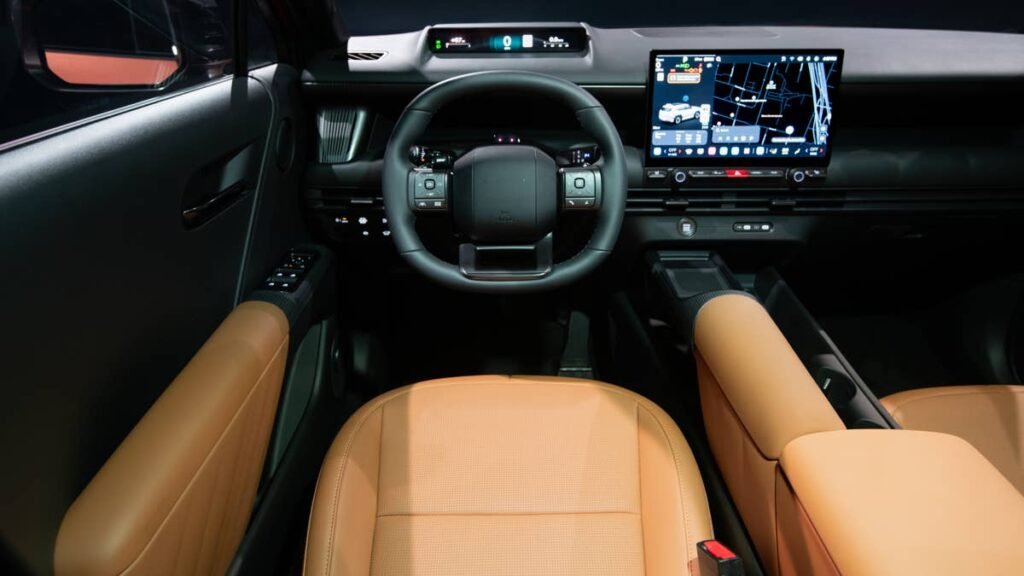
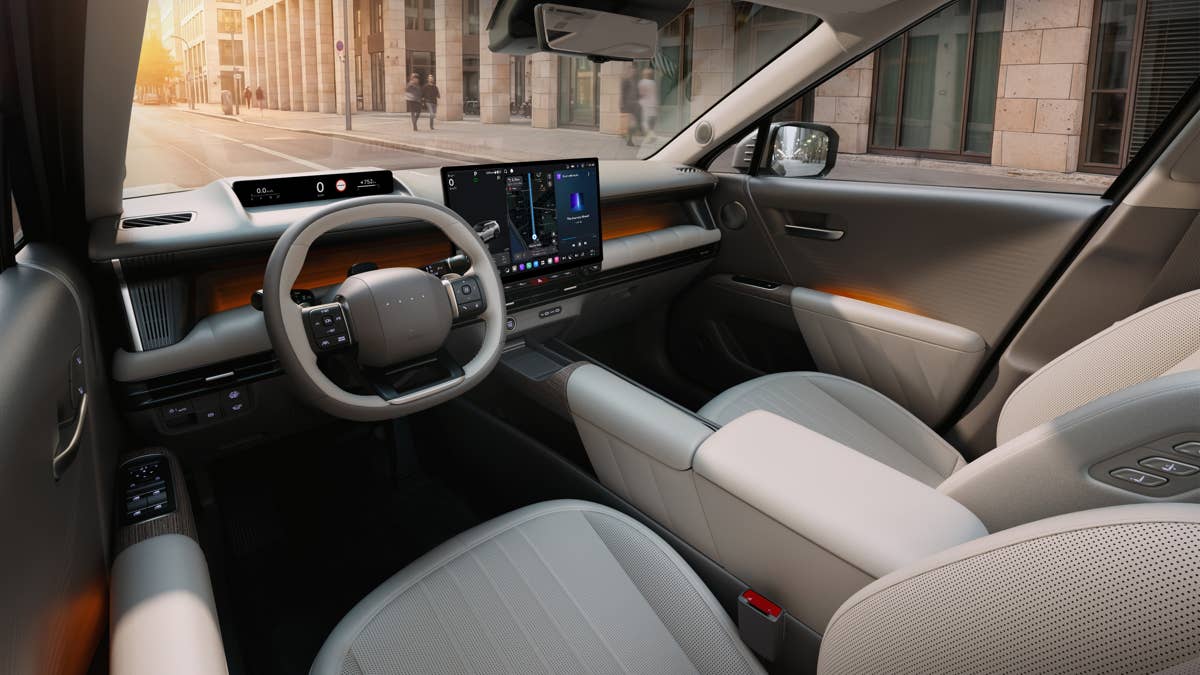
Hyundai is entering a new phase in its car design language. We saw it first with the Elantra, and the popular Tucson has followed suit. While the design inside and out has changed radically from its predecessor, we’re glad to report that the dash still looks easy to use.
As promised, there are still buttons and dials, which should delight the anti-touchscreen/touchpad crowd. It’s also good news for current owners thinking about moving up to the 2027 model. The look is similar to that of the Elantra, but has a couple of unique touches to make it more distinct.
Hyundai
Minimalist in the Right Places
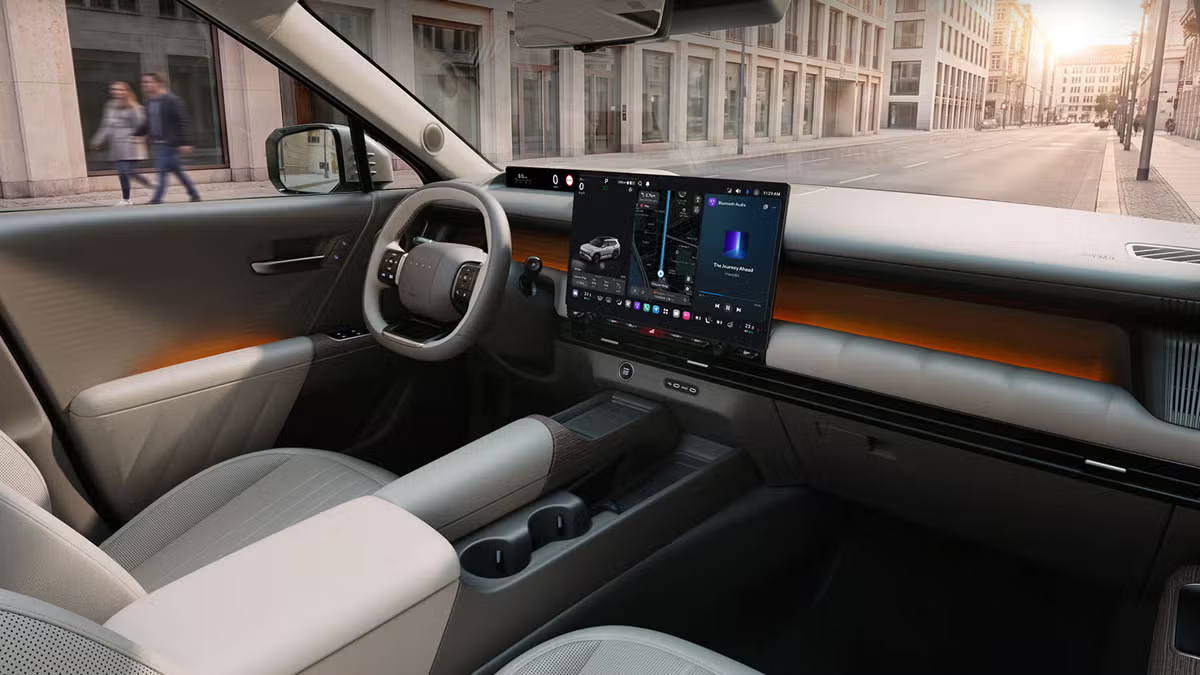
One can call the cabin of the 2027 Tucson light and minimalist, with its smooth surfaces and gentle curves. Yes, there are screens, but they don’t define the cabin. Like its lower sedan stablemate, the Tucson has a slim instrument cluster display, and we could expect to see more of that in future Hyundai offerings. The redesigned Santa Fe comes to mind, but we digress.
As for the dash fascia itself, there’s a more practical element. Because the instrument display is moved up into a smaller panel, Hyundai can turn most of the center into a cubby bin. There is actual storage just behind the steering wheel, which is a first for this crossover.
Hyundai applied minimalism the right way in the 2027 Tucson by maximizing the freed-up areas. For instance, the raised center console also allows for a large storage bin underneath it, while the scalloped door panels give a little more wiggle room for one’s arms. We don’t have photos of the rear seats just yet, but it’s safe to say there’s probably more room back there.
Hyundai
Key Specs
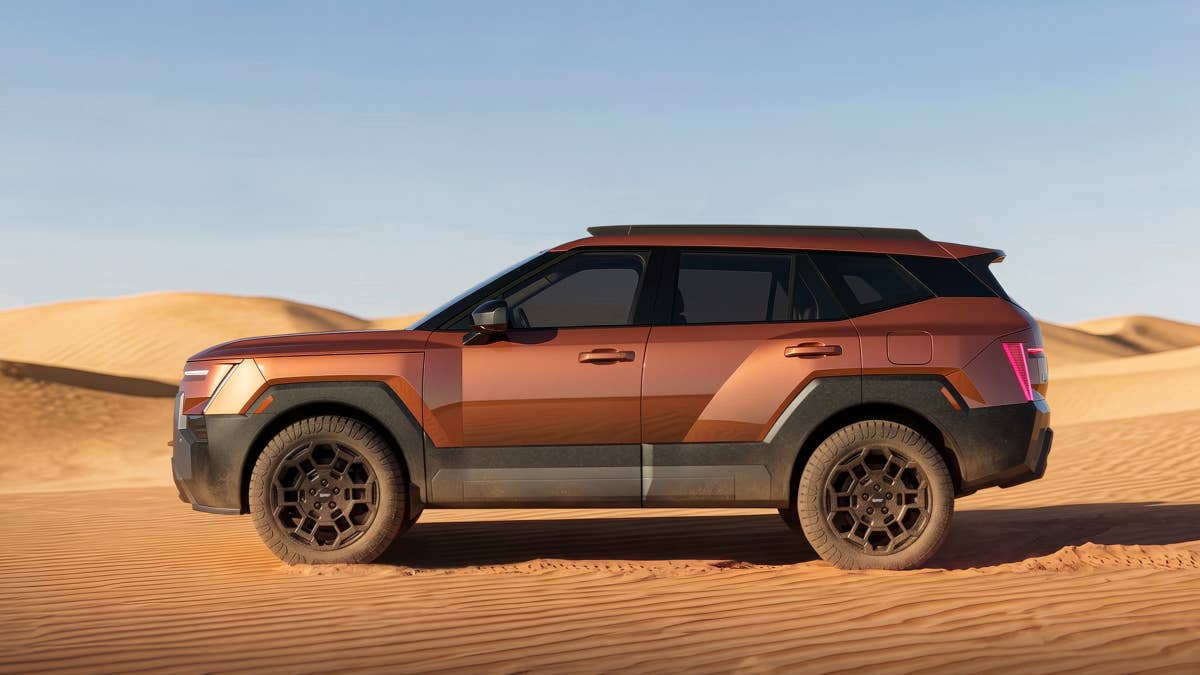
We can finally say with confidence that even the XRT will be available with a hybrid powertrain. It’s still the familiar 1.6-liter turbo-hybrid arrangement, but there’s a little more power than before, at least based on the home market specifications. This setup is now rated at 242 hp and 280 lb-ft, up from the current model’s 231 hp and 271 lb-ft.
The U.S. press release also mentioned the 1.6-liter turbo with 190 hp and 195 lb-ft (per South Korean specifications). That could mean the non-turbo 2.5-liter engine could finally be retired, letting even the base Tucson be more on par with rivals that still offer pure combustion versions. A plug-in hybrid model will also be offered down the line, and it will make 288 hp.
As for availability, Hyundai USA says it will be appearing in showrooms by ‘early 2027.’ Fingers crossed it retains its strong value proposition.
Hyundai
Hyundai