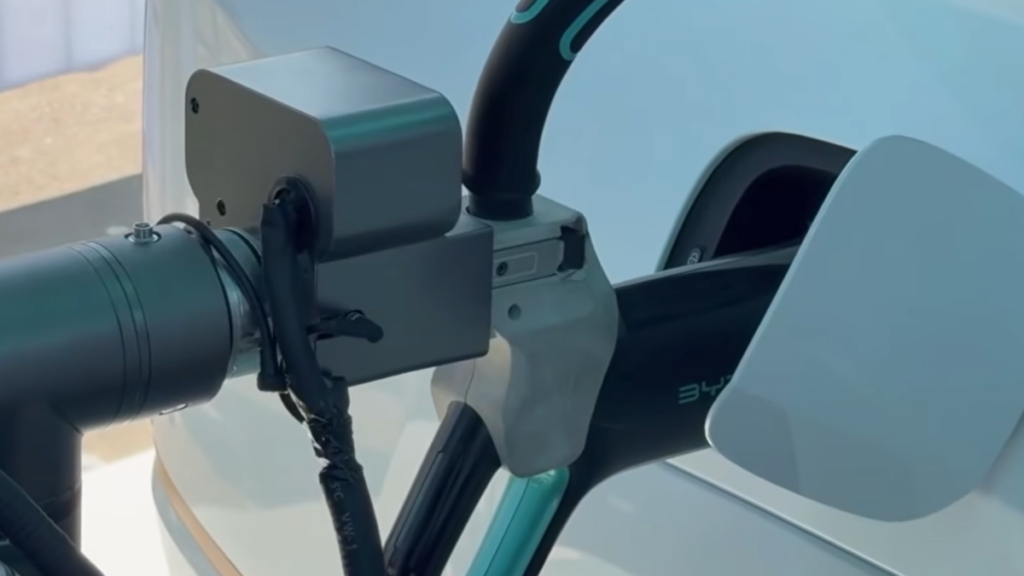
While BYD was setting new production-car land speed records the brand quietly demonstrated new but possibly more important infrastructure for everyday drivers. The Chinese automaker showcased a fully automated robotic charging arm designed to eliminate manual plug-ins. The system utilizes visual recognition and force-feedback control to autonomously locate the charging port, open the vehicle cover, and insert the heavy connector without the driver leaving the cabin.
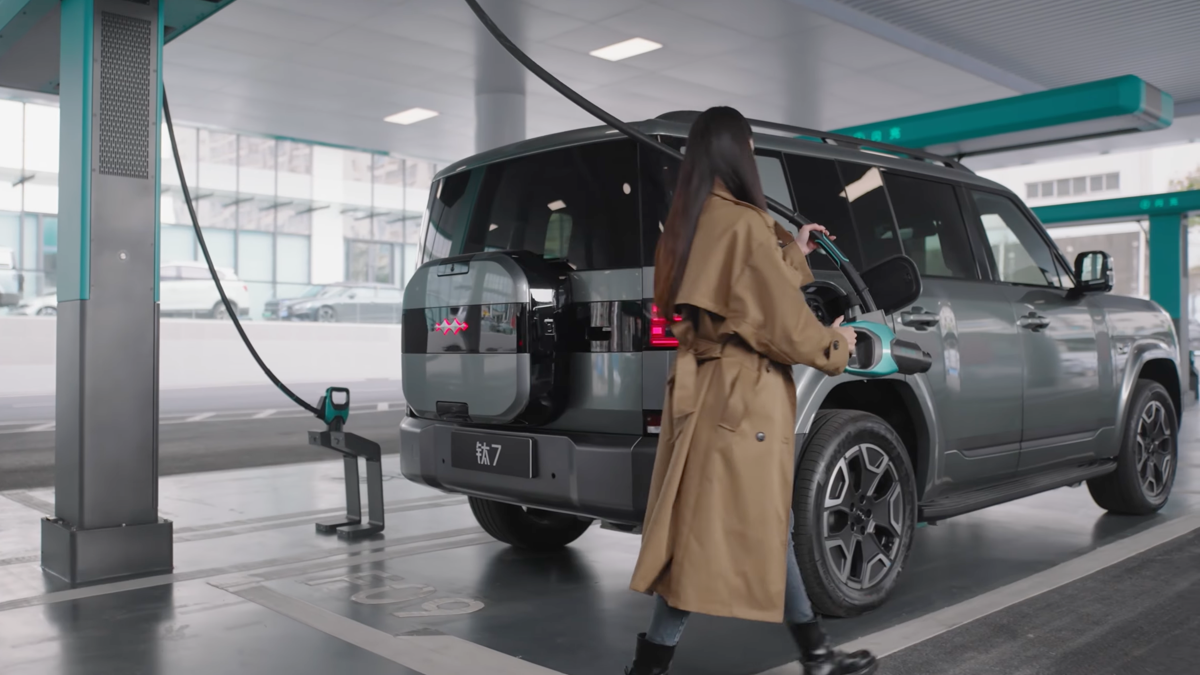
This robotic hardware operates within an energy ecosystem that utilizes solar panels and battery storage to manage power delivery. During the demonstration, the station reached an astonishing 1,000 kW of output. While retail fast chargers are expanding rapidly across domestic parking lots, this new BYD power threshold easily outpaces standard global infrastructure capabilities.
BYD
Expanding Battery Architecture
According to a recent report from Car News China, the robotic demonstration aligns with the brand’s recent advancements in battery chemistry. The automaker introduced its second-generation Blade Battery earlier this year, supported by infrastructure that offers even faster 1500 kW capabilities in optimal conditions. Utilizing this architecture, BYD claims their new EV battery can safely jump from a 10 to 70 percent state of charge in just five minutes.
The physical hardware also integrates perfectly with automated valet software. A compatible electric vehicle can autonomously park itself inside the charging bay, allowing the robotic arm to immediately take over the refueling process. Although a highly publicized four minute charge remains restricted to controlled environments, BYD is moving fast to commercialize their hardware, planning 20,000 flash-charging stations in China by the end of 2026 and targeting 3,000 units across Europe by 2027.
Making Charging Quick and Easy
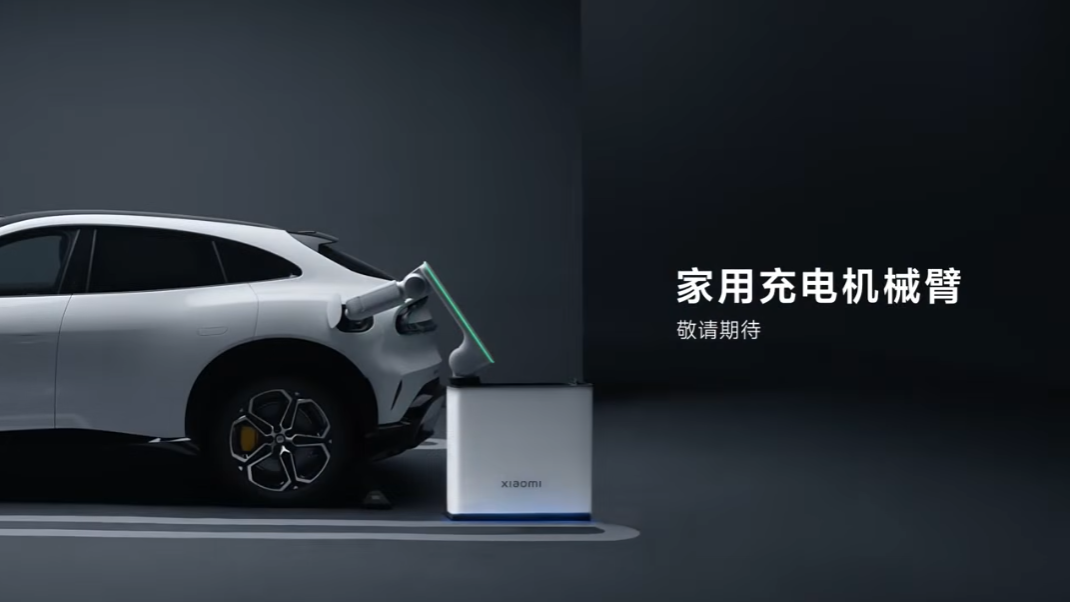
BYD is not the only manufacturer pursuing a hands-free future. Huawei previously demonstrated a similar 600 kW robotic charging arm alongside the Maextro S800 luxury sedan. However, this newest 1,000 kW iteration from BYD, paired directly with integrated solar generation and battery energy storage, represents a much more comprehensive approach to upgrading the global charging grid.
While I am genuinely excited about a future where drivers never have to wrestle with dirty charging cables in the rain, a healthy dose of skepticism is required here. Scaling complex robotics across public locations will be incredibly expensive, and existing stations already struggle with basic software reliability. Still, if BYD can successfully commercialize this automated ecosystem, it will fundamentally fix the most frustrating part of electric vehicle ownership.
BYD