Different NCAPs, Very Different Outcomes
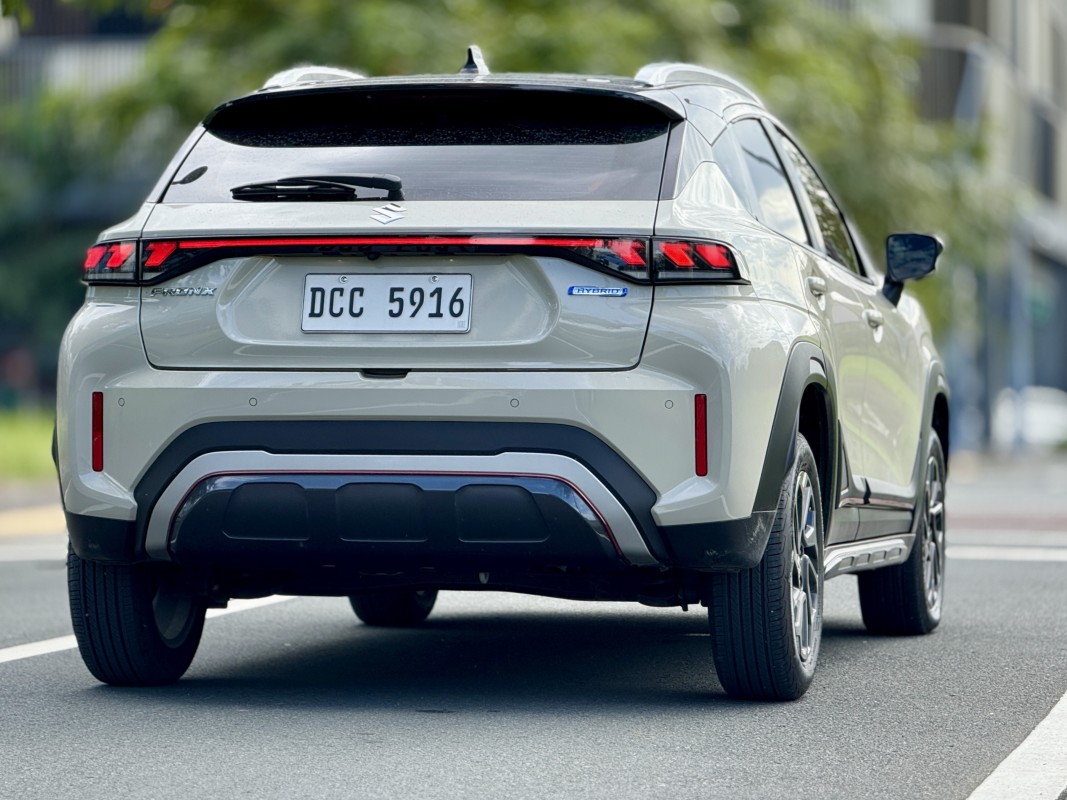
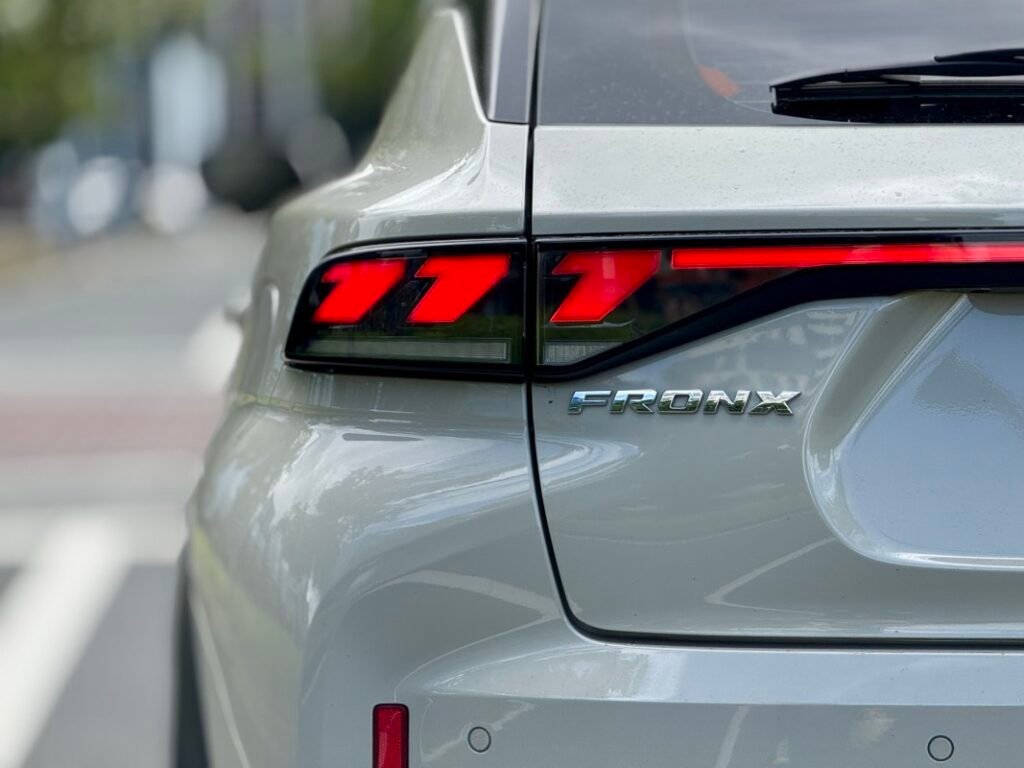
Most people see New Car Assessment Program (NCAP) safety ratings as a universal standard, but the truth is, they’re anything but. Each region has its own tests, priorities, and scoring standards. The Suzuki Fronx, a subcompact SUV sold in most Asian countries and Australia, is a perfect example of how those differences play out. Of note, the Fronx is also sold in some parts of the world with a Toyota badge.
In October, the Fronx received a five-star rating from ASEAN NCAP, which should have made it a safe bet for families in Southeast Asia. But when ANCAP put the same model through its paces, the result was a shock: just one star, missing the lowest rating a vehicle could get by a whisker. The consequence was immediate – Suzuki Australia pulled the Fronx from showrooms while they figure out what went wrong.
That doesn’t mean one test is right and the other is wrong. What it does show is how easy it is for buyers to get the wrong idea if they just look at the stars and skip the details. In this case, the ANCAP result raised red flags that no one could ignore.
What Went Wrong in ANCAP Testing
ANCAP’s tests showed the Fronx struggled in several crash scenarios, especially when it came to protecting adults and kids inside. The biggest problem showed up in a full-width frontal crash, where the rear seatbelt retractor failed. That meant the belt let go, leaving the rear dummy unrestrained and sending it straight into the front seat.
ANCAP called the seatbelt failure “rare and serious,” and told owners of about 1,300 Fronx units in Australia and another 1,000 in New Zealand not to use the back seats until there’s a fix. Even before the seatbelt issue, the Fronx had already scored zero in some parts of the test, so the one-star rating wasn’t just about that one problem.
Suzuki Australia says it’s working closely with the factory in Japan and local regulators to get to the bottom of the problem and has stopped sales of the SUV. The Fronx already meets local certification and comes with features like AEB and lane-keeping assist, but right now, the priority is fixing the basics – making sure the seatbelts do their job.
Jacob Oliva/Autoblog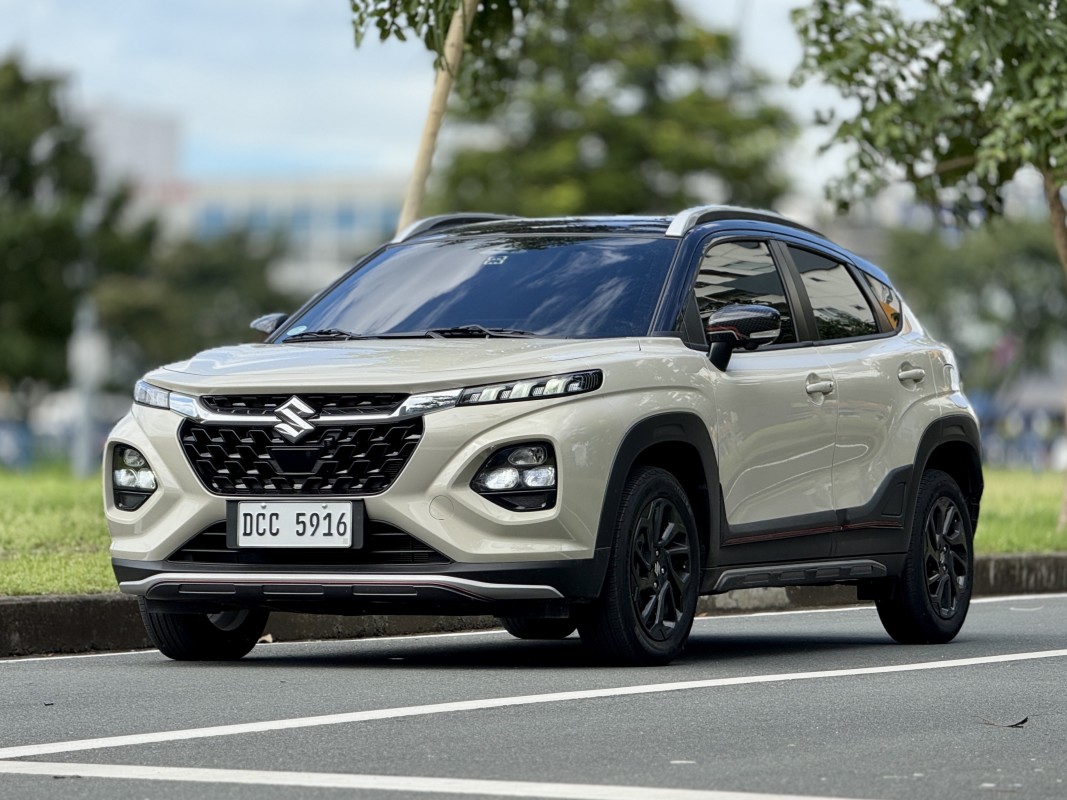
This Isn’t Suzuki’s First Safety Wake-Up Call
This isn’t the first time Suzuki has faced tough questions about safety. The Swift hatchback, which shares its platform with the Fronx, got a zero from Latin NCAP in 2021. The S-Presso, a small city car, also scored zero in 2020, but after some updates and a retest, it managed three stars in 2022.
Whether the Fronx can bounce back from this recent fall is a mystery at this point. For now, this is a caution that safety ratings can change, and a five-star badge in one region doesn’t mean much somewhere else. Plus, seatbelts not working is a dire issue, which shouldn’t have happened in this day and age.
Jacob Oliva/Autoblog