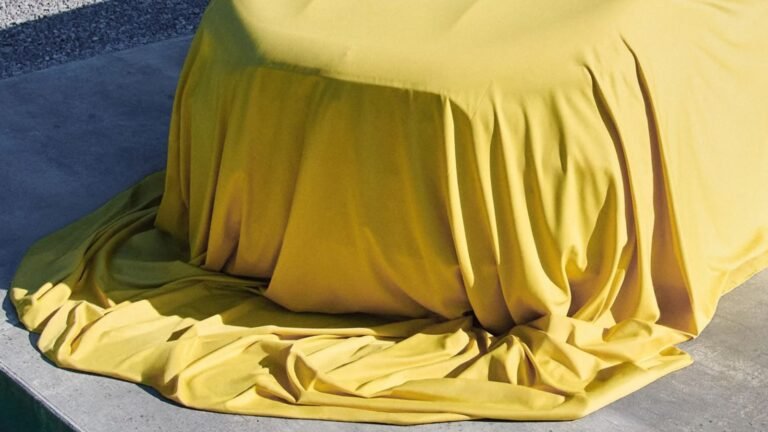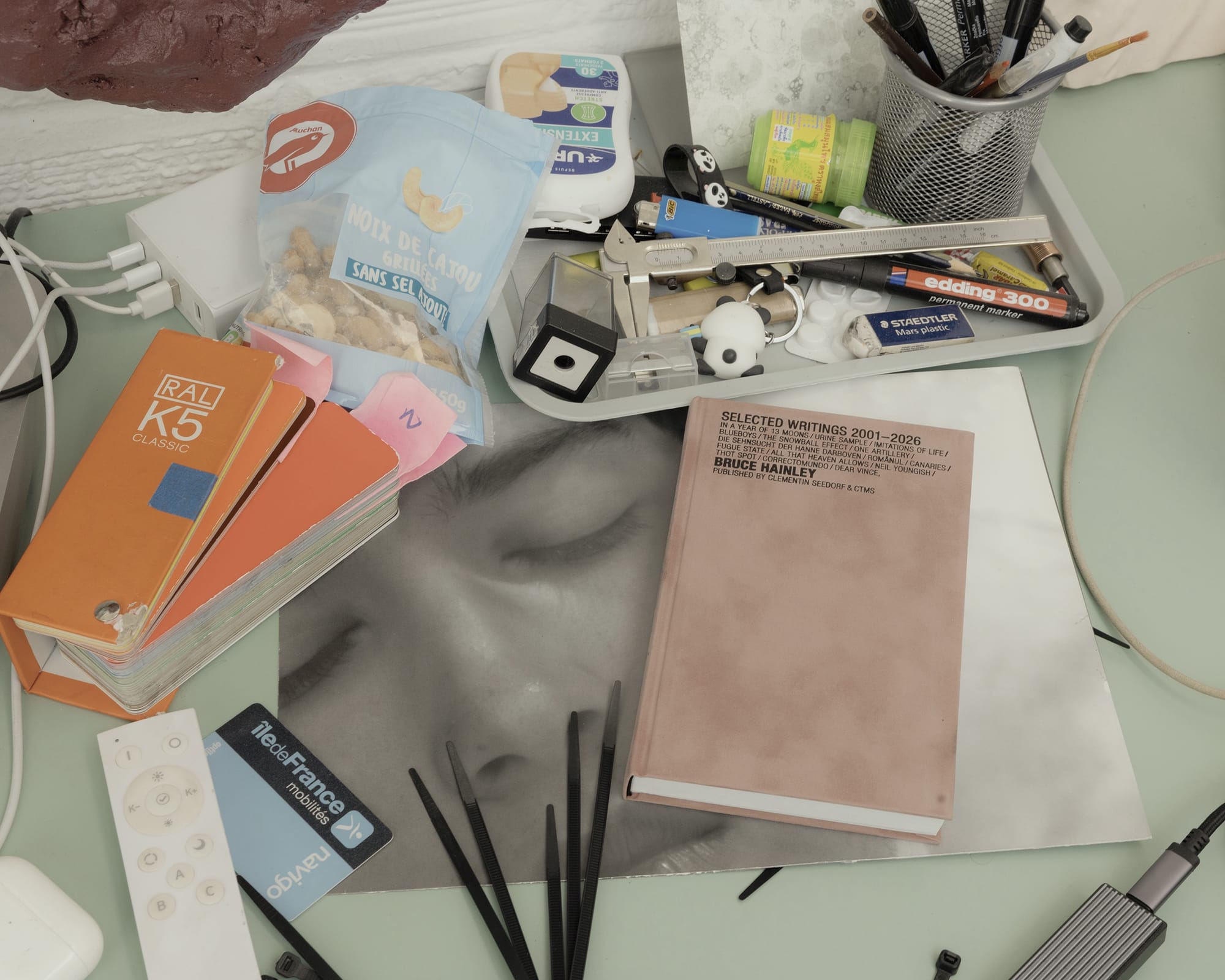
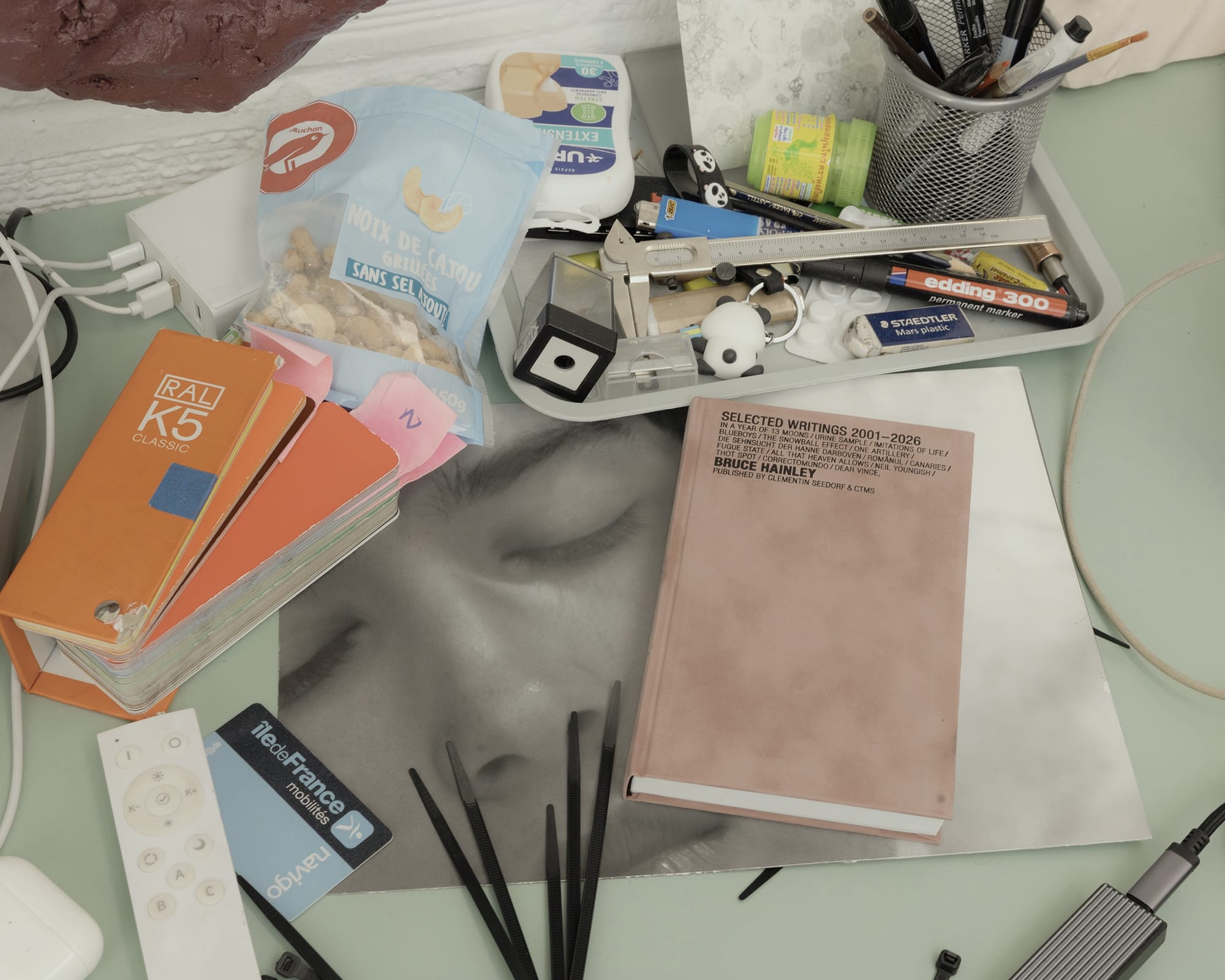
Welcome to the 347th installment of A View From the Easel, a series in which artists reflect on their workspace. This week, Shahryar Nashat sculpts along to the sounds of Kelis’s “Milkshake” and experiments with “a nautical glue the color of honey.”
Want to take part? Check out our submission guidelines and share a bit about your studio with us through this form! All mediums and workspaces are welcome, including your home studio.
Shahryar Nashat, Asnières-sur-Seine, France
How long have you been working in this space?
Three years this September. Although the space is similar to my former studio in Glendale, California, the journey couldn’t be different. Before, I drove by car through Laurel Canyon to the 101, then east on the 134 into Glendale. By the time you reached the studio, you’d already passed through a few different versions of Los Angeles. Here in Paris, it’s two wheels from the 11th, heading north through the 18th via République, watching the city thin out until you cross the Seine. Asnières-sur-Seine, just north of Paris, is also home to one of the first pet cemeteries in the world: le Cimetière des Chiens et Autres Animaux Domestiques.
Describe an average day in your studio.
Regular hours help structure the days and keep things moving when the direction of the work isn’t set yet. Always in stock: coffee, beer, tequila, and that Swiss chocolate named Ragusa (so close to a palindrome it hurts). Music is almost always on. Badalamenti’s Twin Peaks score only plays for difficult mold-making sessions. Lately it’s been ’90s: Erykah Badu, Lauryn Hill, Aaliyah, or Kelis. “I can teach you, but I have to charge.”
How does the space affect your work?
Making changes the work, but the inspiration never starts in the studio. The right tools, a good night’s sleep. That’s where it’s at. Light’s important too. This is what I miss from the West Coast days: the bright sunlight for forensic examinations and the roll-up gate. Scrolling it down was always a ritual, the sound of the day ending, whether it was a good one or if it all went to shite.
How do you interact with the environment outside your studio?
There are a handful of other artists in the building. All good people. My good friend Cooper Jacoby has a space here too. We have coffee and exchange notes on silicone cure times.
What do you love about your studio?
The proximity to Nouilles Fraîches Tibétaines on avenue Laurent Cély. The name speaks for itself. Fresh, homemade, and delicious. The same satisfaction as a burrito from El Sauz Tacos with Gabriel, at the corner of Chevy Chase and San Fernando Road.
What do you wish were different?
A little less warm in the summer, a little less cold in the winter.
What is your favorite local museum?
The Gustave Moreau Museum. Former studio, now museum, or mausoleum … all in one. This place is absurd. The main gallery is two stories tall with a massive skylight, and the walls are completely covered with paintings and drawings. It’s overwhelming in the best way. André Breton called it the most moving of all museums.
What is your favorite art material to work with?
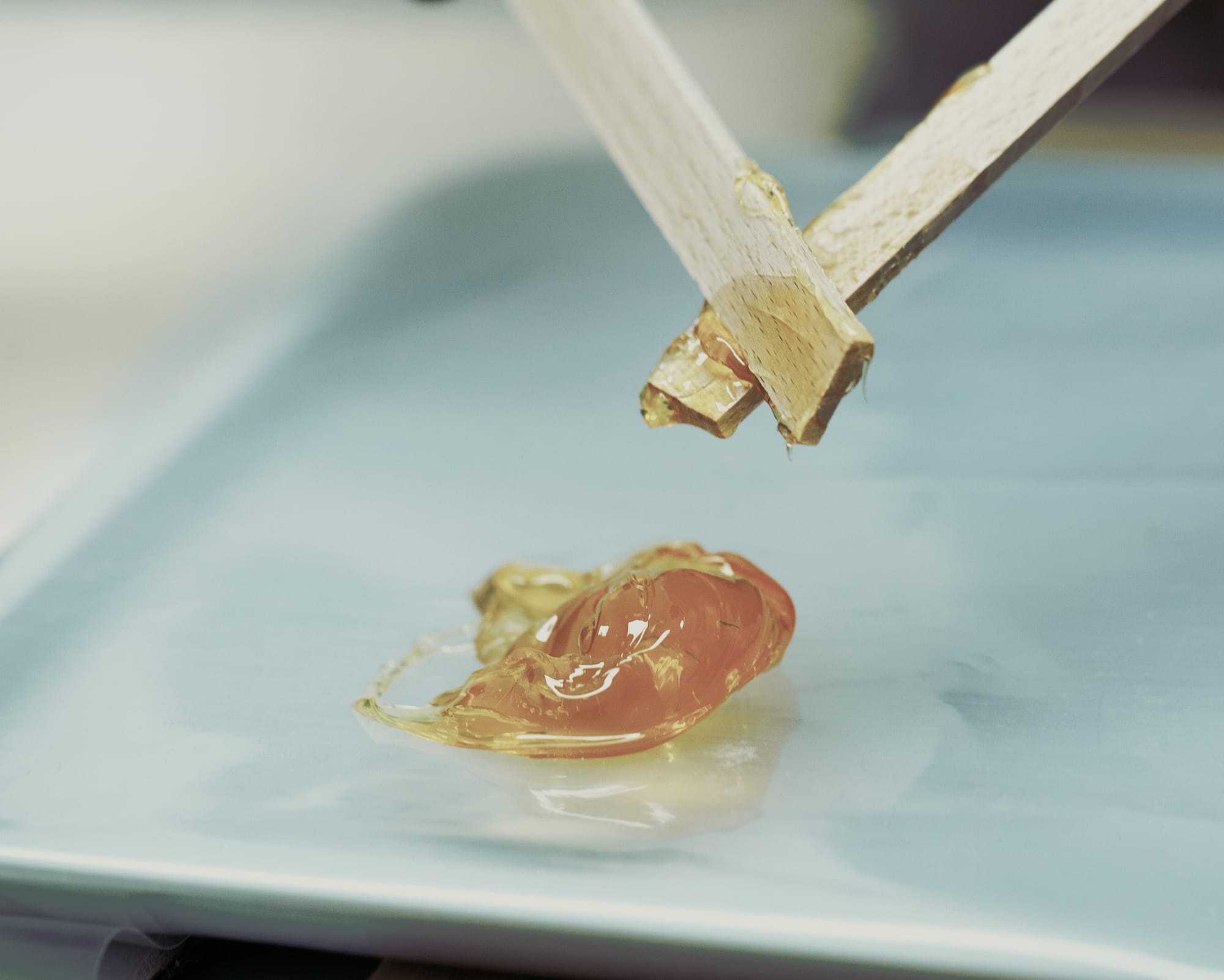
Papier-mâché. A nautical glue the color of honey. More recently, Fabrican: a spray-on fabric that made its way down a bridal runway on Bella Hadid at Paris Haute Couture Fashion Week a couple years ago, and which I used to “dress” the Mothers sculptures currently on show at Gladstone on 64th Street in Manhattan. All are studio regulars. Oh, and anything acrylic by Golden.