Welcome to the 333rd installment of A View From the Easel, a series in which artists reflect on their workspace.
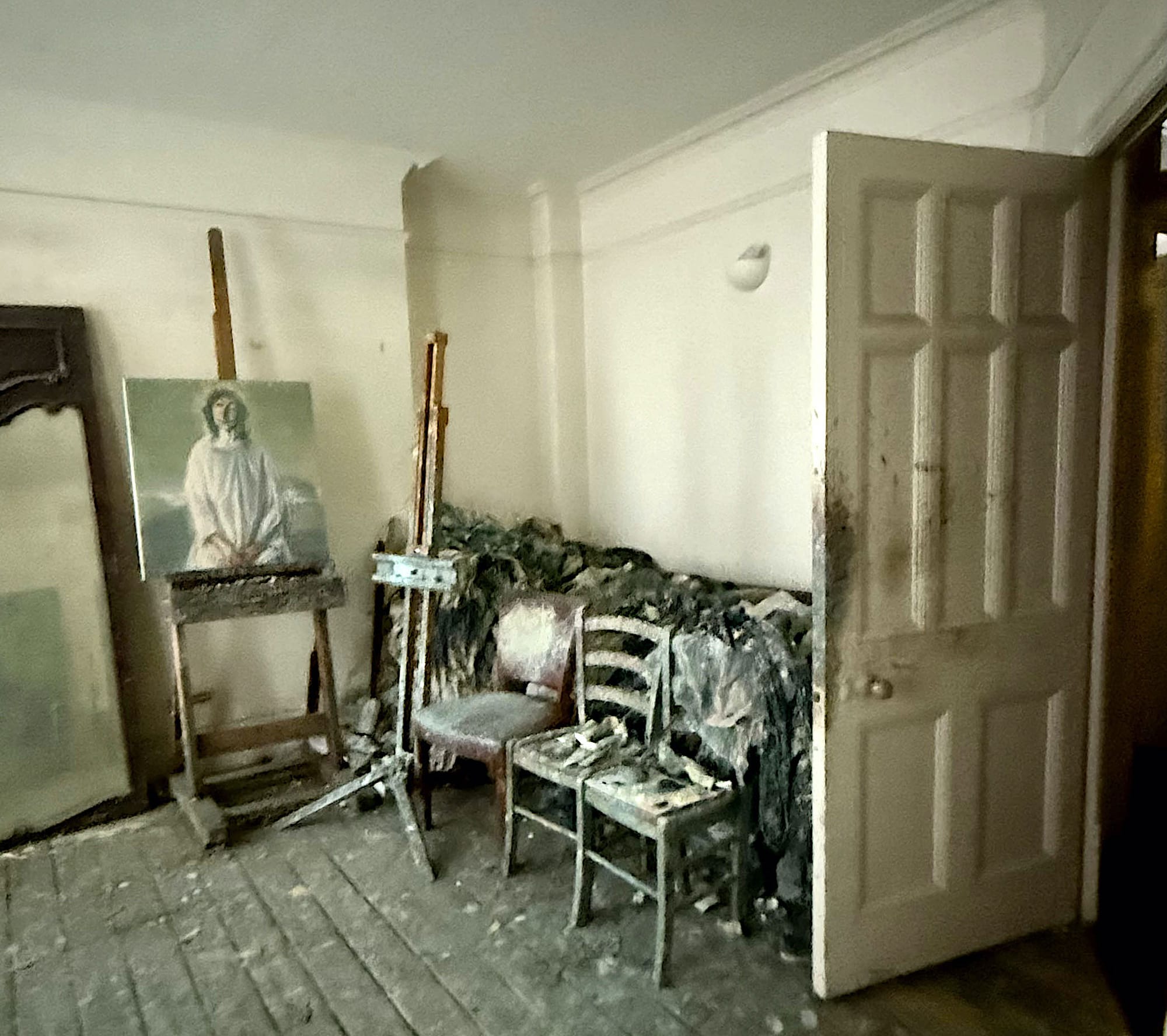
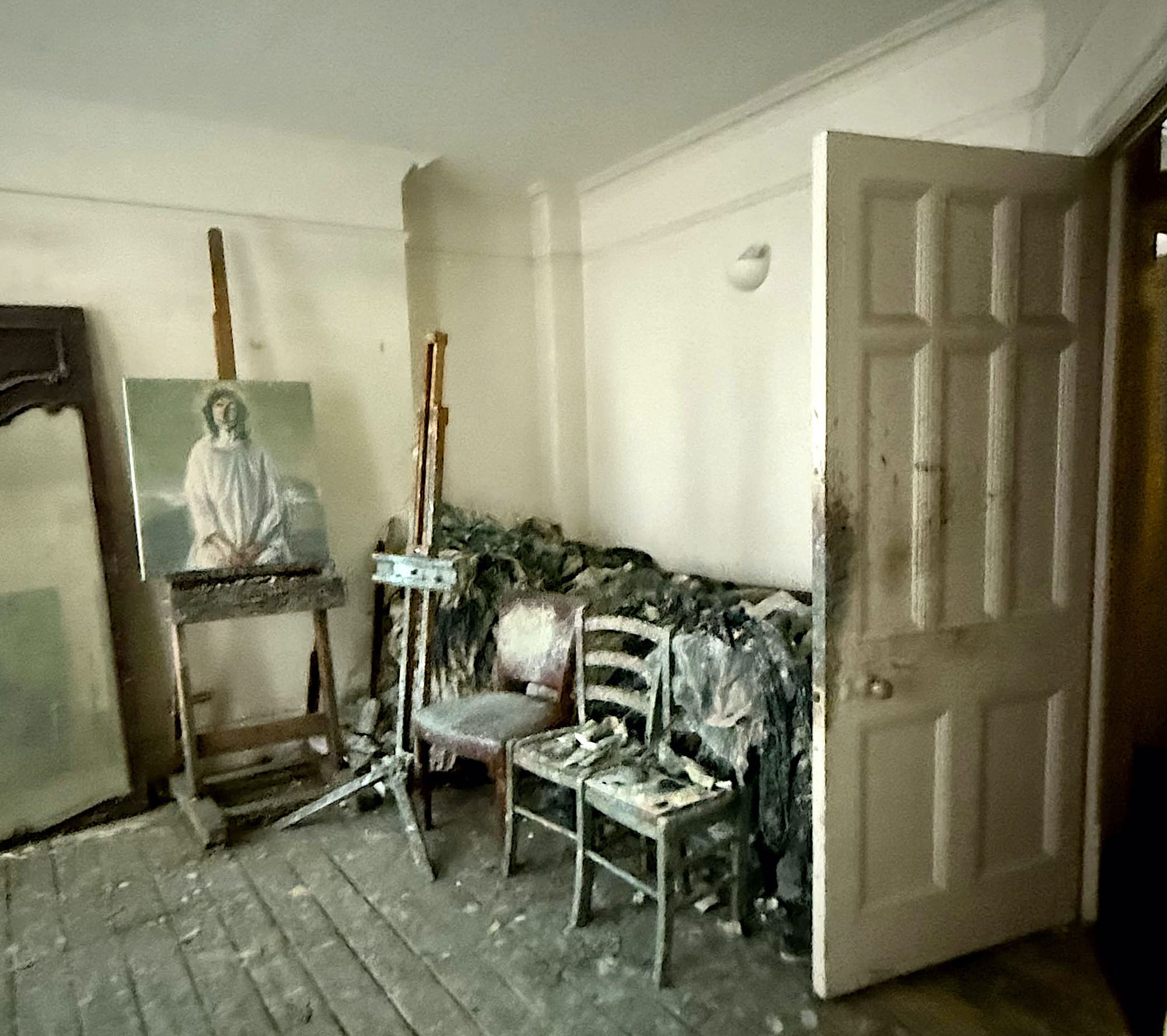
In a special edition this week, British painter Celia Paul shares a glimpse of her home studio, which she moved into at 22 years old — a spare, tidy space in London’s Bloomsbury neighborhood that is not unlike the backdrops of her beloved, introspective paintings.
Want to take part? Check out our submission guidelines and share a bit about your studio with us through this form! All mediums and workspaces are welcome, including your home studio.
Celia Paul, London, United Kingdom
How long have you been working in this space?
I moved into my flat in Bloomsbury, which is also my studio, 44 years ago, when I was 22. In 1982, Bloomsbury was very different — there were hardly any tourists and it was much quieter.
Describe an average day in your studio.
I wake very early. I am most energetic first thing in the morning, so, after a cup of tea in bed, I start painting — sometimes as early as 5am. Now I mostly don’t work from sitters, I work on my own, so I can structure my time to suit myself. When I had sitters, I would use the time after waking and before the model’s arrival to think and be still so that I would be fully prepared and receptive to her or him. I usually work on one or two paintings at once. When I am painting a self-portrait, I often have a seascape on the go at the same time. I don’t listen to music. There’s so much traffic sound coming from outside that I crave silence — I try to create an inner silence in my art so that I can block out noise.
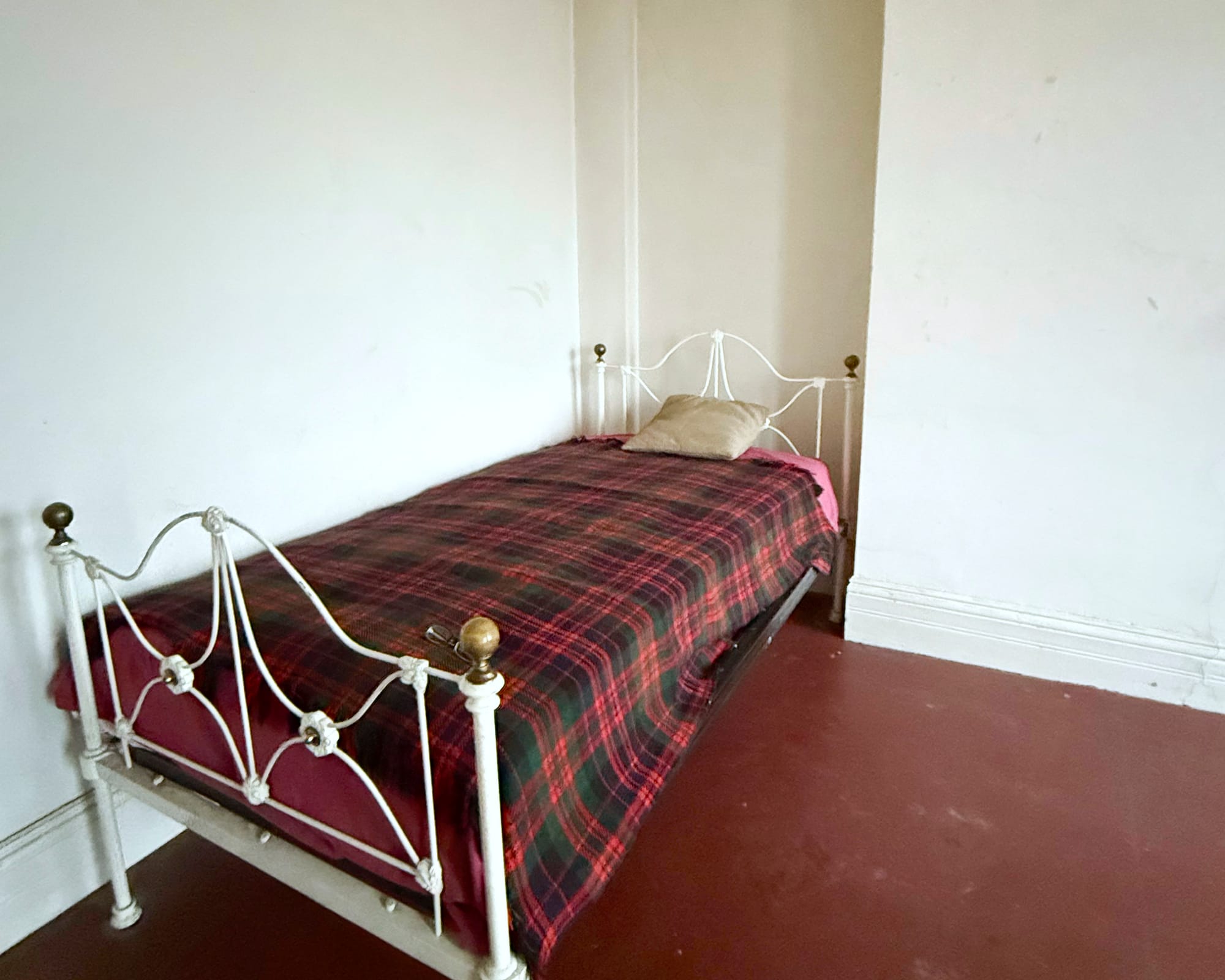
How does the space affect your work?
My space is very pared down. Even though I’ve lived and worked in the same space for such a long time, I have accumulated very little stuff — just the necessary things like chairs, beds, easels. The emptiness of the space helps me focus.
How do you interact with the environment outside your studio?
I love Bloomsbury because, since it’s not a residential area, you feel everyone is accepted, everyone can be alone. When I was a student at The Slade, I lived in various lodgings in Notting Hill, in streets full of families. It was an alienating experience. Bloomsbury equals freedom, for me.
What do you love about your studio?
The main thing I love about my studio is that it is mine. No one can enter without permission. I also love it that it’s very high up so I’m on a level with the highest branches of the tall plane trees that line the street. The two main front rooms where I paint have big north-facing windows which let in a lot of light.
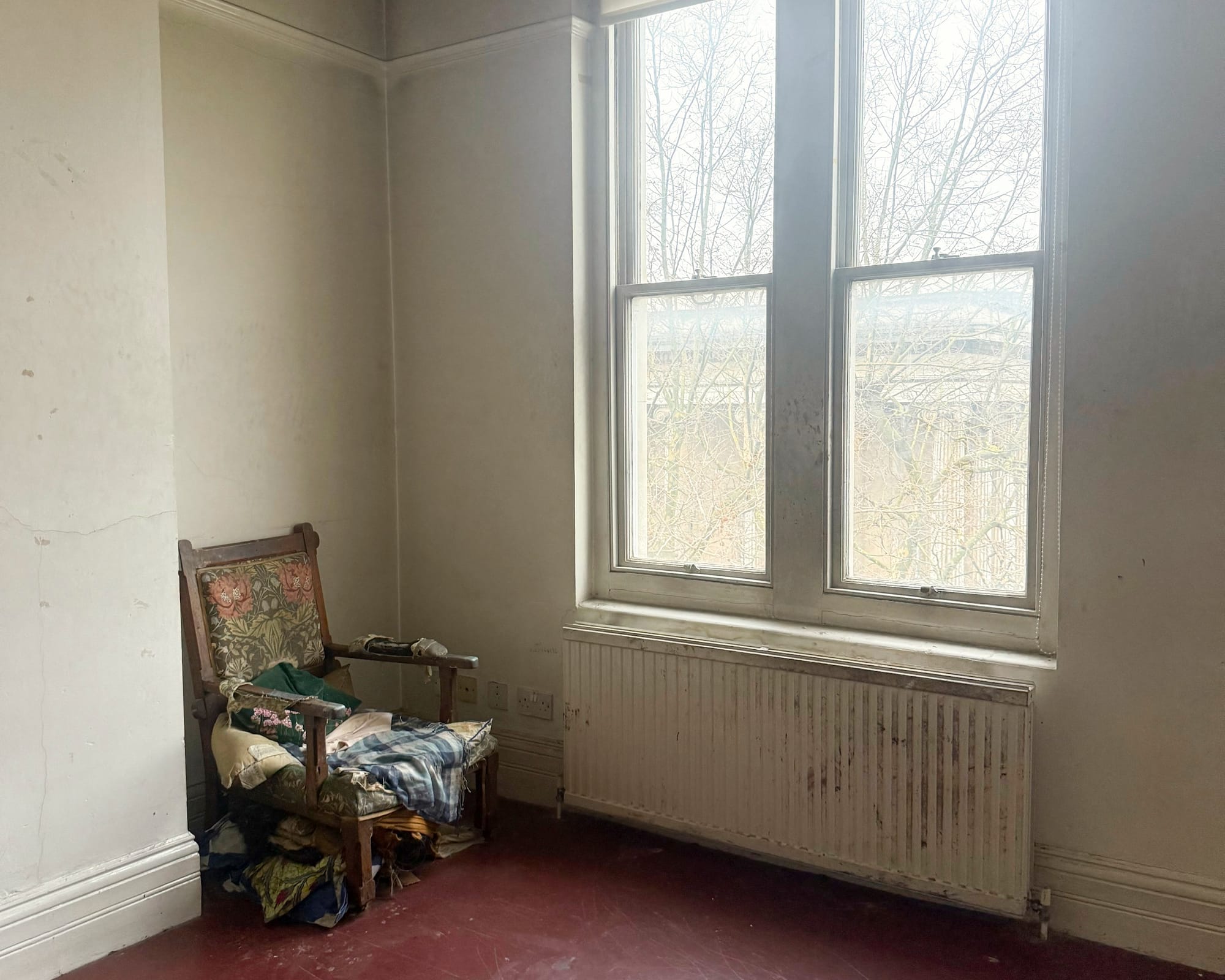
What do you wish were different?
It would help to have a lift! When big paintings are collected from my studio, it’s a challenge to maneuver them down the narrow winding staircase formed of 80 stairs.
What is your favorite local museum?
My studio faces directly onto the British Museum, which I should visit more often than I do. I’m put off by the long queues. I used to love just easily being able to enter the British Museum. I spent hours in the Egyptian sculpture rooms looking at those silent statues of pharaohs, trying to learn from their stillness. Now, the Egyptian rooms are almost impossible to see because of the crowds of tourists. I love the National Gallery most, but there again it’s more difficult to visit on an impulse: You have to book in advance to save queuing for hours.
What is your favorite art material to work with?
I paint mainly in oil on canvas, though occasionally I work with watercolor. I love oil paint because I can be wild with it and because it retains the textures in layers without being clogged or losing its luminescence.