The First Wave Ages Out
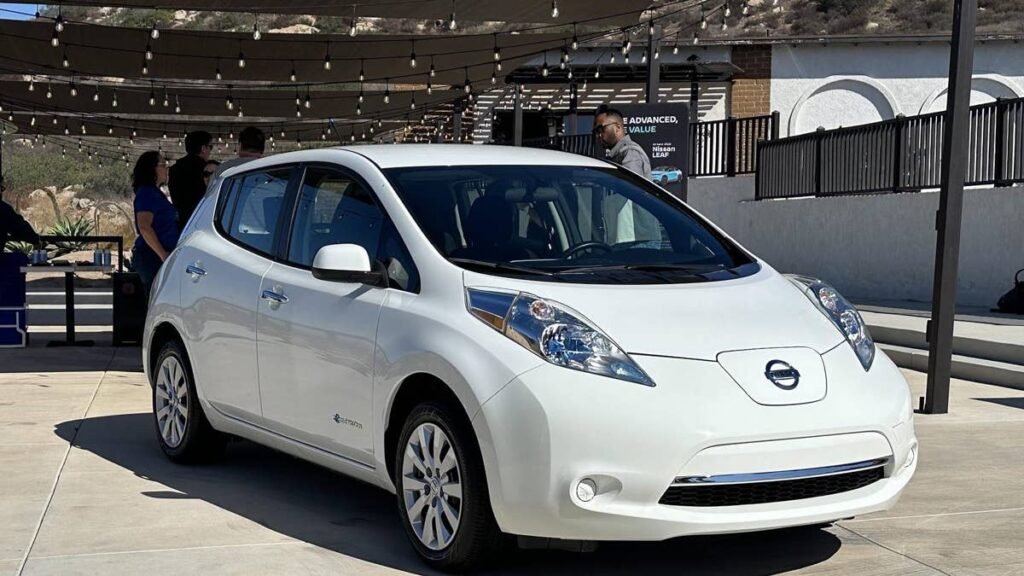
The initial wave of mass-market electric vehicles has officially reached its senior years. Early pioneers like the first-generation Nissan Leaf and Renault Zoe are aging out of their factory warranties, forcing owners to confront the reality of long-term battery degradation. While some outliers have proven these packs can last incredibly long, most early adopters are now looking for viable, cost-effective replacement options to keep their daily commuters on the road.
For years, skeptics pointed to massive out-of-pocket battery costs as the ultimate downfall of the electric transition. However, industry data suggests that a massive replacement bill might not be the financial death sentence critics originally predicted. Instead of sending these aging cars straight to the scrapyard, the influx of retiring packs is actively birthing an entirely new secondary industry. What was once a highly niche, experimental repair space is rapidly morphing into a massive global aftermarket business.
Drew Phillips
The Billion-Dollar Aftermarket
According to a recent report from Automotive News, the electric vehicle battery aftermarket is finally moving from the shadows to the mainstream. Felix Wagner, CEO of the German clean-tech company Circunomics, projects that this secondary space could account for 10 to 20 percent of the total EV battery market within the next five years. Research indicates the global EV aftermarket will explode to between $100 billion and $216 billion by the mid-2030s, with battery packs as the largest and fastest-growing segment of that pie.
This shift is going to drastically alter how independent repair shops operate. Currently, complex service wait times can be agonizing because of a fragmented parts supply. Wagner points out that independent mechanics will face a wildly heterogeneous supply chain, tearing down a Tesla module in the morning and a Renault pack in the afternoon. Because these random, mixed-brand batteries cannot be easily bundled for large-scale grid storage projects, they will flow directly into the local independent aftermarket to keep older vehicles running.
Dealing With the Surplus
Beyond just aging vehicles, automakers themselves are inadvertently feeding this emerging aftermarket through massive inventory miscalculations. Many legacy manufacturers severely overestimated consumer demand and bought far more battery packs than they could realistically put into production. Now, they are sitting on stockpiles of idle, degrading batteries inside massive warehouses. This oversupply is costing the industry hundreds of millions of euros, heavily contributing to the sales floor pushback as automakers scramble to clear out stagnant electric inventory.
These batteries will find three distinct second lives. Wagner estimates that about half of the reusable supply will be diverted into stationary grid energy storage, assuming the modules are uniform enough. Roughly 30 percent will head straight to the recycling shredder. The remainder will filter directly down to independent mechanics for consumer vehicle use. While general maintenance costs for electrics remain complex, this massive influx of cheap, second-hand battery modules from both aging cars and overzealous automakers could finally make long-term EV ownership financially sustainable.