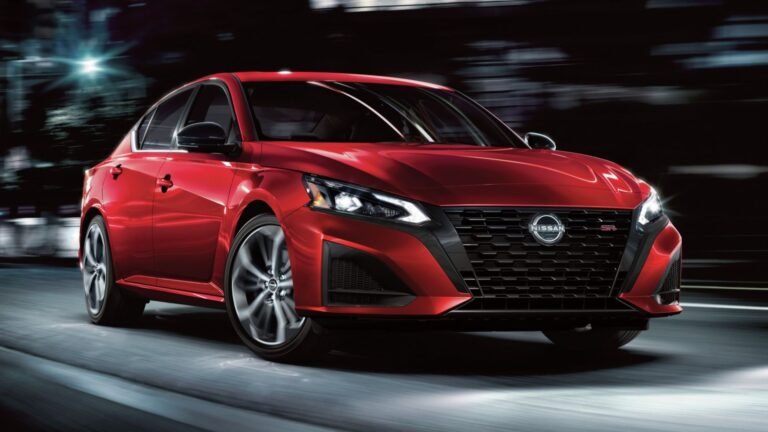
Modern car interiors are starting to look remarkably similar, regardless of which badge is on the steering wheel. A massive central touchscreen, a smaller driver display, two cupholders, and a flat center console have become the industry’s default formula. Alfa Romeo has had enough, and it wants to do something different.
Speaking to Autoblog at the 2026 Paris Motor Show, Alfa Romeo Head of Products Daniele Chiari criticised the direction of modern automotive interior design and explained how the brand intends to break away from the competition. More importantly, he revealed that some of the technology previewed by the new Cuorerosso concept will make its way into future production cars.
Adam Lynton/Autoblog
“What we want to do is to detox our interior,” Chiari revealed, pointing to the increasingly repetitive designs emerging across the industry. “All of them have a small screen, big screen, two cup holders, and a flat console. That’s it.”
Related: Alfa Romeo’s Next SUV Could Come To America After All
Alfa Romeo Wants To Stop Following The Competition
Chiari was particularly critical of European automakers following the same approach as Chinese manufacturers, arguing that competing on their terms would make it difficult for established European brands to stand out.
“If we follow China on what they are doing, probably the European industry cannot win at the end because they are so powerful,” he explained, adding that “we need to invent something different.”
Adam Lynton / Autoblog
It’s an interesting position for a company owned by Stellantis, which shares platforms and technology across numerous brands. But Chiari believes Alfa Romeo needs to preserve its identity, particularly through the driver’s interaction with the vehicle.
The comments come as the industry begins questioning its reliance on touchscreens. Several manufacturers have started reconsidering physical controls after years of replacing conventional buttons and switches with touchscreen menus. For Alfa Romeo, however, the objective isn’t simply to reinstall a few buttons. Chiari wants to rethink how information and controls are presented to the driver.
Alfa Romeo’s Screens Could Disappear When Not Needed
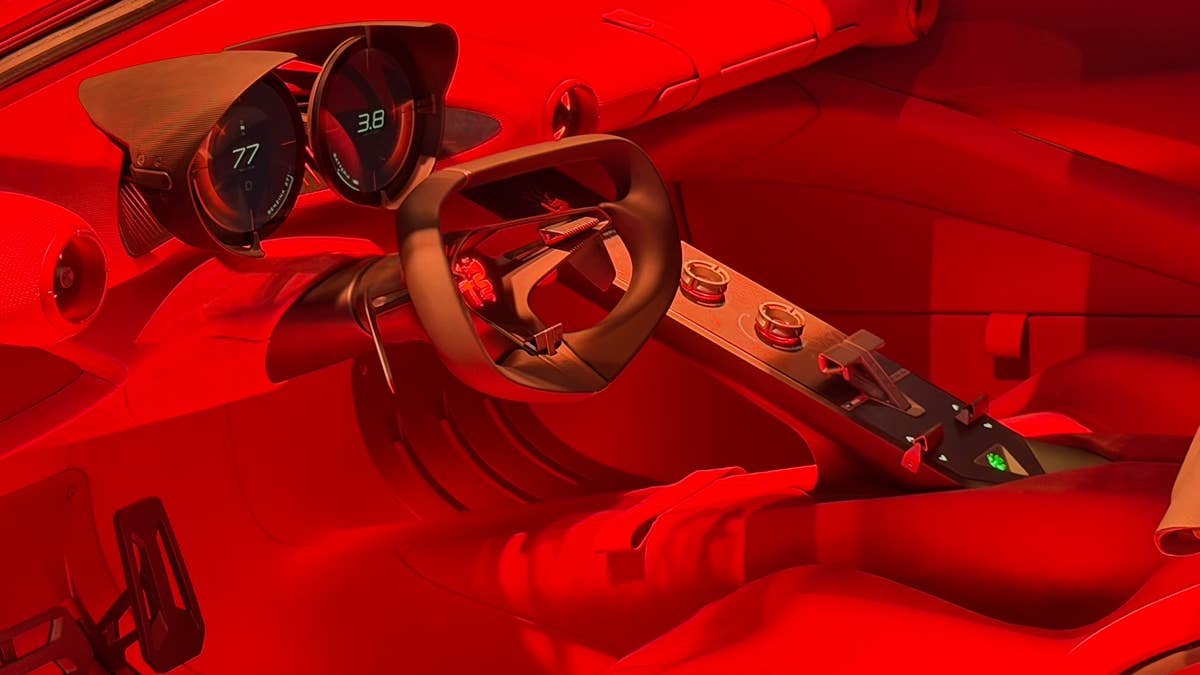
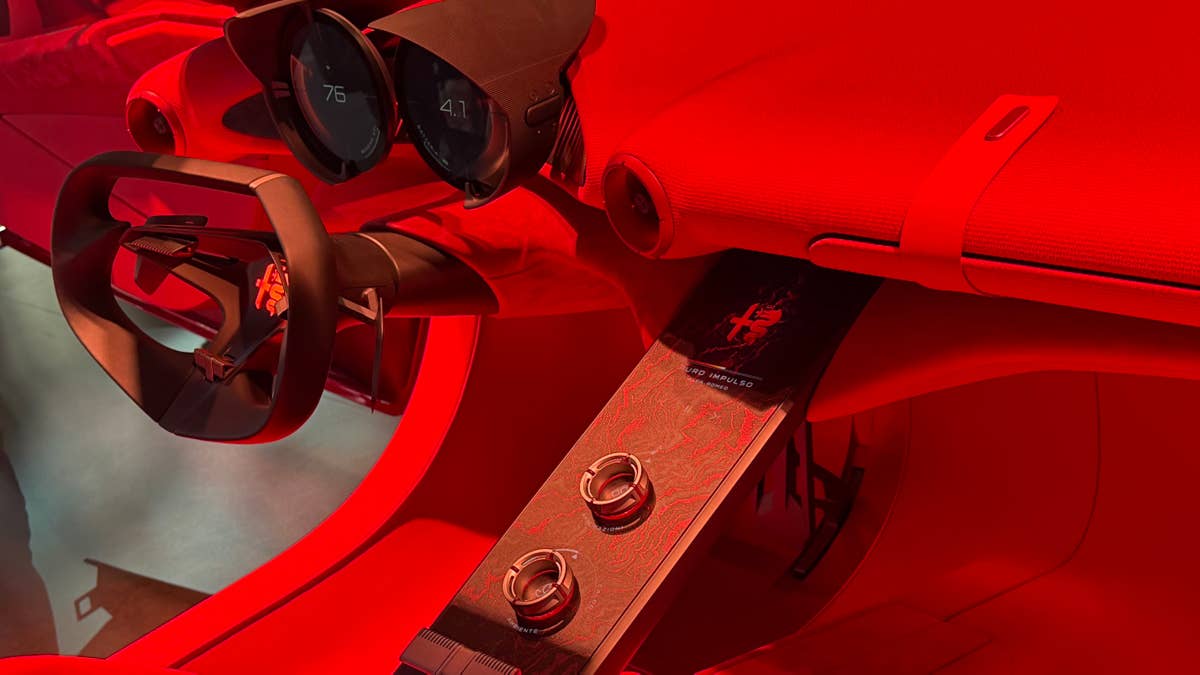
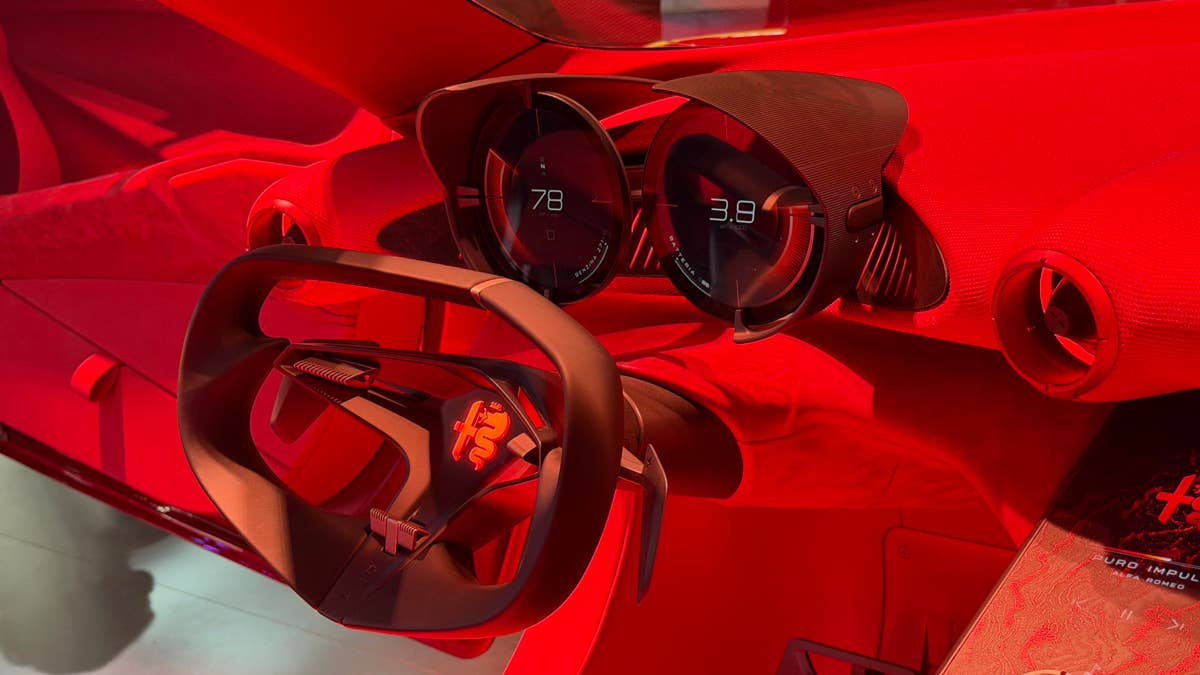
The newly revealed Alfa Romeo Cuorerosso concept provides a glimpse of that thinking. One of its most distinctive features is the Cannocchiale Vivente instrument cluster, which reimagines the traditional twin-dial arrangement found in Alfa Romeo vehicles. In normal driving, the two displays remain separate, but during more enthusiastic driving, they physically move together to form a single instrument.
Adam Lynton / Autoblog
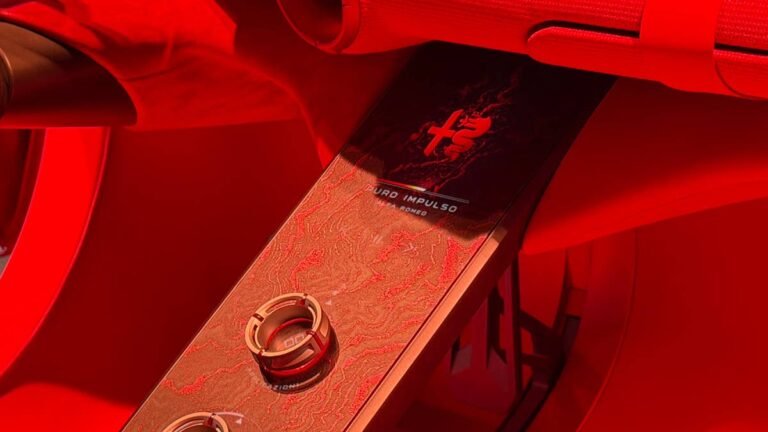
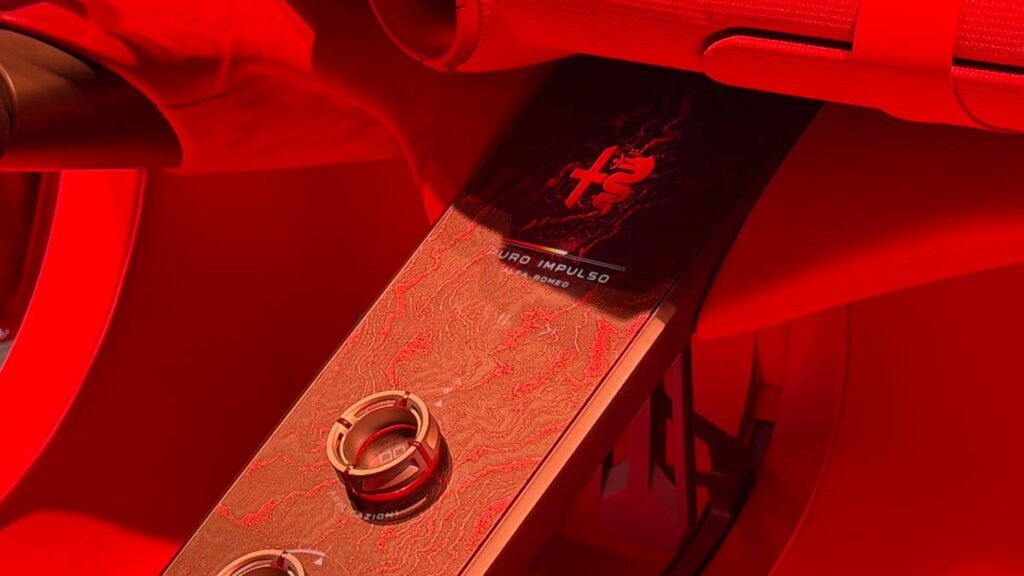
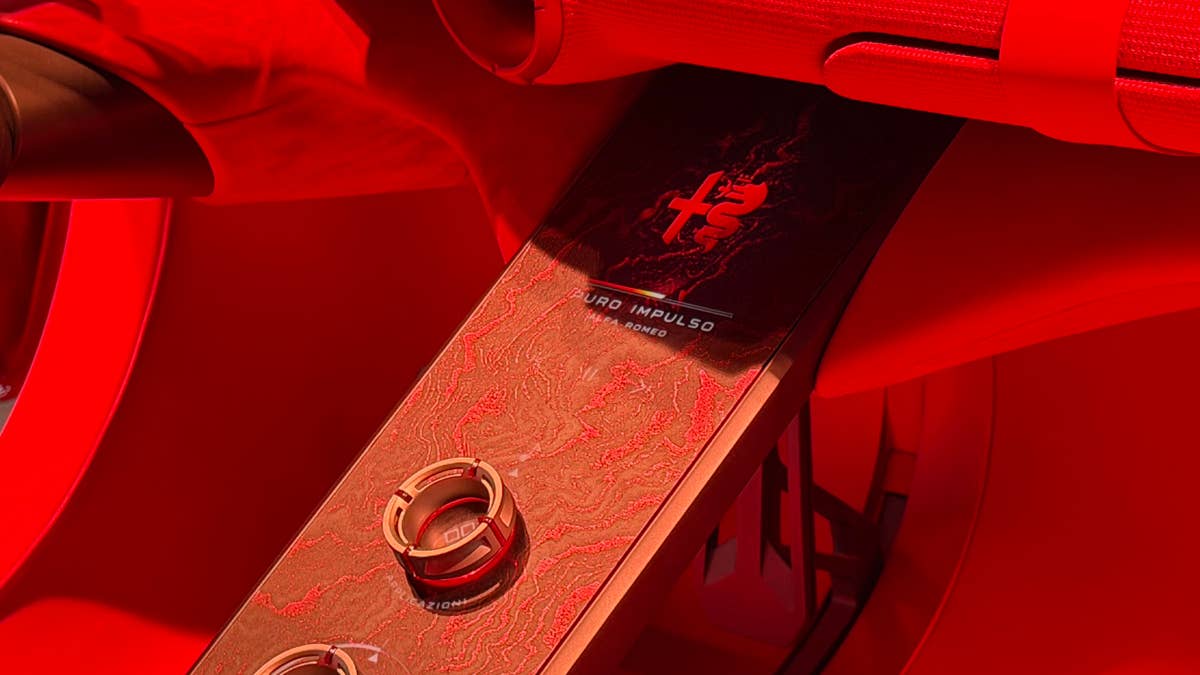
Chiari explained that the idea is to show drivers only the information they actually need when concentrating on driving. The center console takes an equally unconventional approach. Called the Magma Display, it integrates digital information into the console’s surface rather than placing a conventional tablet-style screen above the dashboard.
When the vehicle is switched off, the display effectively disappears into the surrounding material. Switch it on, and information becomes visible through the surface. Importantly, Alfa Romeo isn’t abandoning touchscreens entirely. According to the company’s official announcement, the Magma Display combines a digital touch surface with a rotary dial, drive-mode selector, and physical toggle switches.
Chiari also emphasised the importance of giving customers physical controls, describing the desire for precise knobs and tactile switches as part of Alfa Romeo’s future interior philosophy.
Adam Lynton / Autoblog
This Isn’t Just Concept-Car Technology
Perhaps the most interesting revelation from our conversation was Chiari’s confirmation that Alfa Romeo doesn’t intend to leave all these ideas on the motor show stand. He explained that the Cuorerosso wasn’t developed solely as a design study, but also as a collection of technologies and features that could eventually appear in series-production vehicles. Discussing the center-console technology, Chiari told us: “This will see the light in one of our future cars.”
He subsequently discussed Alfa Romeo’s upcoming hatchback, suggesting it could be a possible recipient of the new interior approach. However, he stopped short of confirming exactly which features would reach that model or when they would arrive.
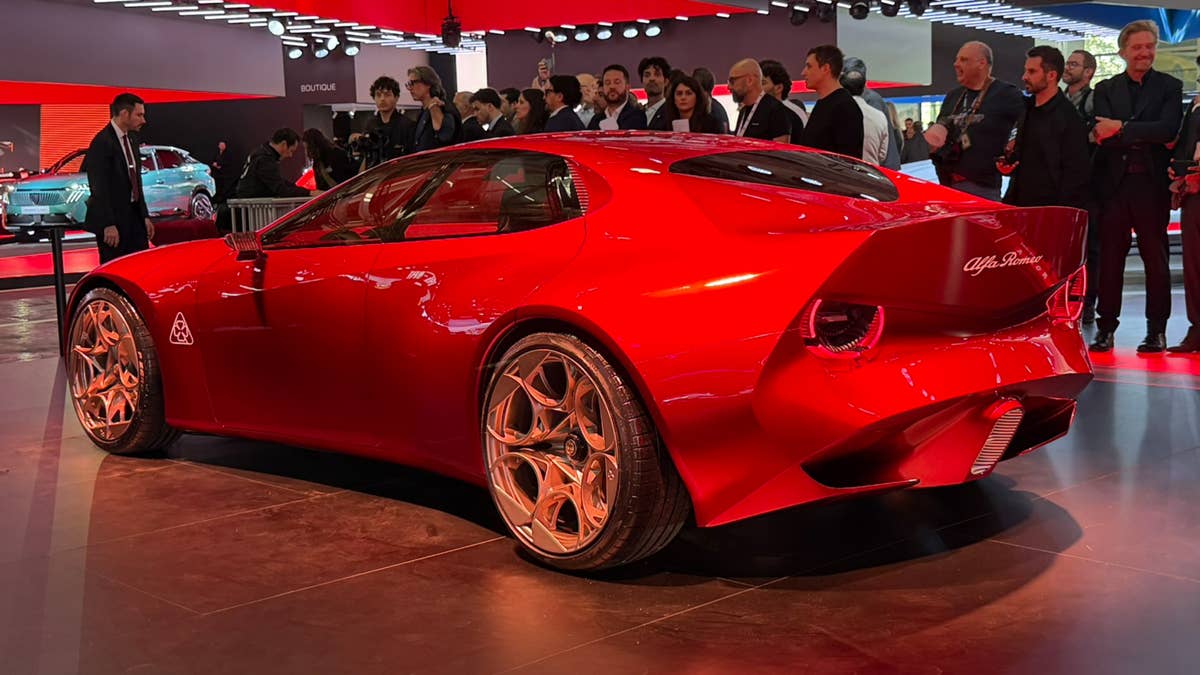
The Cuorerosso itself isn’t destined for production, although Chiari hinted that with enough interest it might arrive in limited numbers, and Alfa Romeo hasn’t committed to bringing its more radical features, including the moving instrument cluster, into showrooms. Nevertheless, Chiari’s comments suggest a clear change in direction. Rather than adding bigger screens and eliminating more buttons, Alfa Romeo wants future interiors to deliver something increasingly rare in modern cars: a driving experience that feels genuinely different.
Alfa Romeo