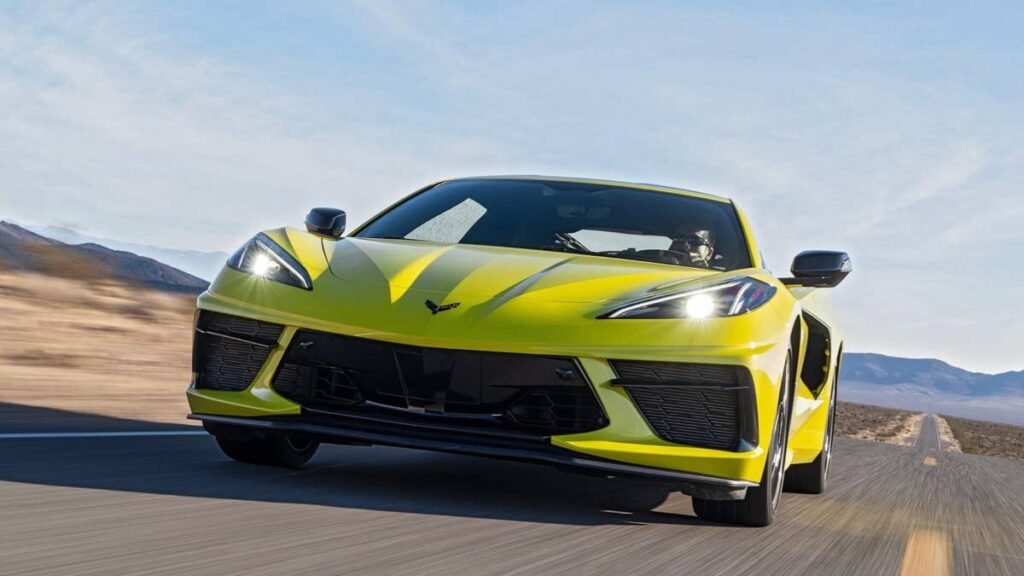
It only takes a quick look around the average parking lot to see that most modern cars on American roads are finished in unimaginative grayscale colors. Over the last three decades, the number of cars in more vibrant finishes has massively declined, and a new study by iSeeCars shows just how much less adventurous car buyers have become. The study compared the market share of car colors between 1996 and 2026, and while grayscale shades dominate all vehicle segments, a fair percentage of sports car buyers are going against the grain and choosing more interesting, vibrant hues.
Grayscale Car Colors Grow By 70%
2023 Honda HR-V Honda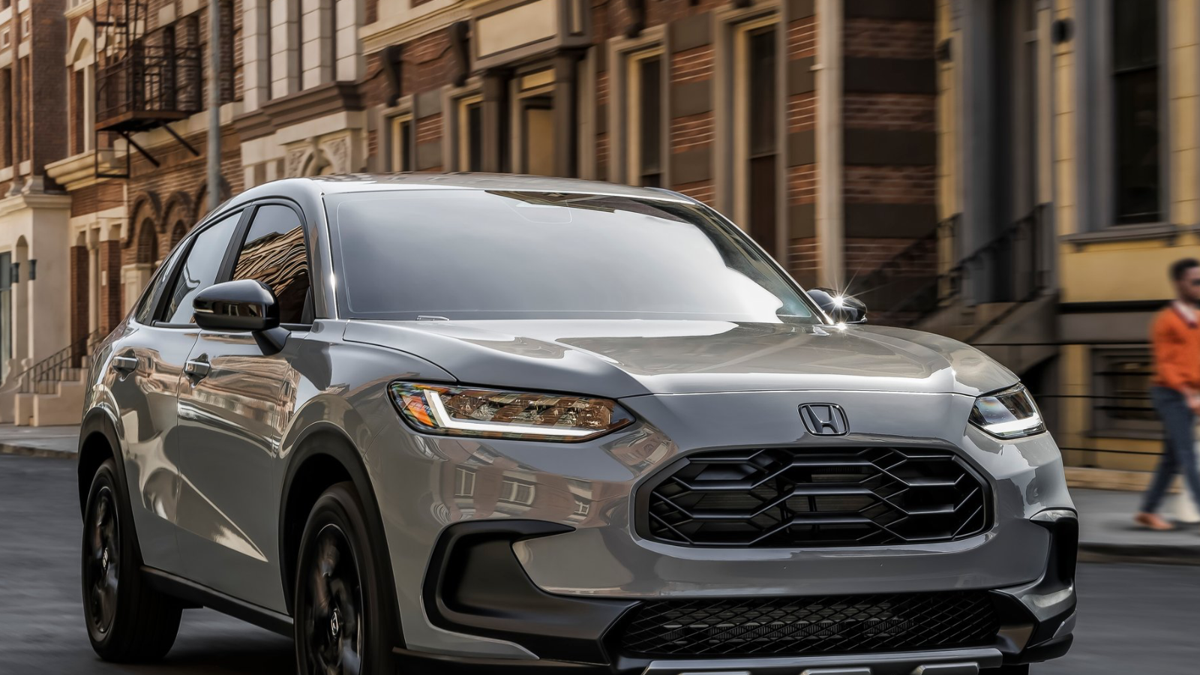
The study tracked the colors of over 22 million used vehicles sold between January 2025 and May 2026, covering 1996 to 2025 model years. Over this period, it found that grayscale cars (white, black, gray, and silver) now have an 80.4% share of the market, as opposed to just 47.3% in 1996—that represents growth of 70.1%. White remains the most popular today as it was back then, but there are many other changes below that:
- Gray increased by 528.4%
- Black increased by 64.5%
- Green and brown are down by over 80%
- Red is down by 65.2%
Grayscale colors have remained close to 80% since around the 2020 model year, but have plateaued since then, suggesting this is as popular as they’ll get. The only non-grayscale color to increase its market share is orange, but it still represents just 0.3% of all cars sold.
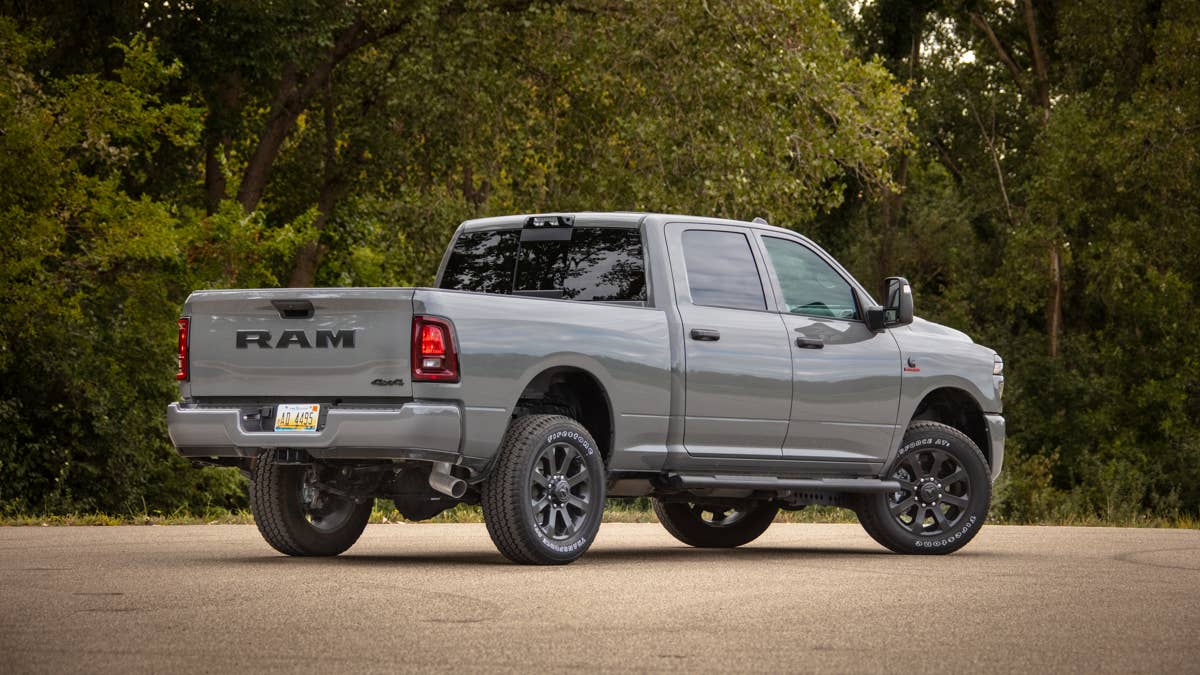
Stellantis
No segment has embraced grayscale colors more than trucks. Truck brands have capitalized on this by releasing special editions of popular pickups that lean into the theme, such as the Ram 2500 Black Express that launched last year.
“Trucks are seeing much more than a touch of gray, with the segment going from less than 1 gray truck in 20 in 1996 to 1 in 5 today,” said iSeeCars Executive Analyst Karl Brauer.
Related: Today’s cars are monochrome, but real color is making a comeback
Sports Cars Keep Color Alive
2026 Porsche 911 Porsche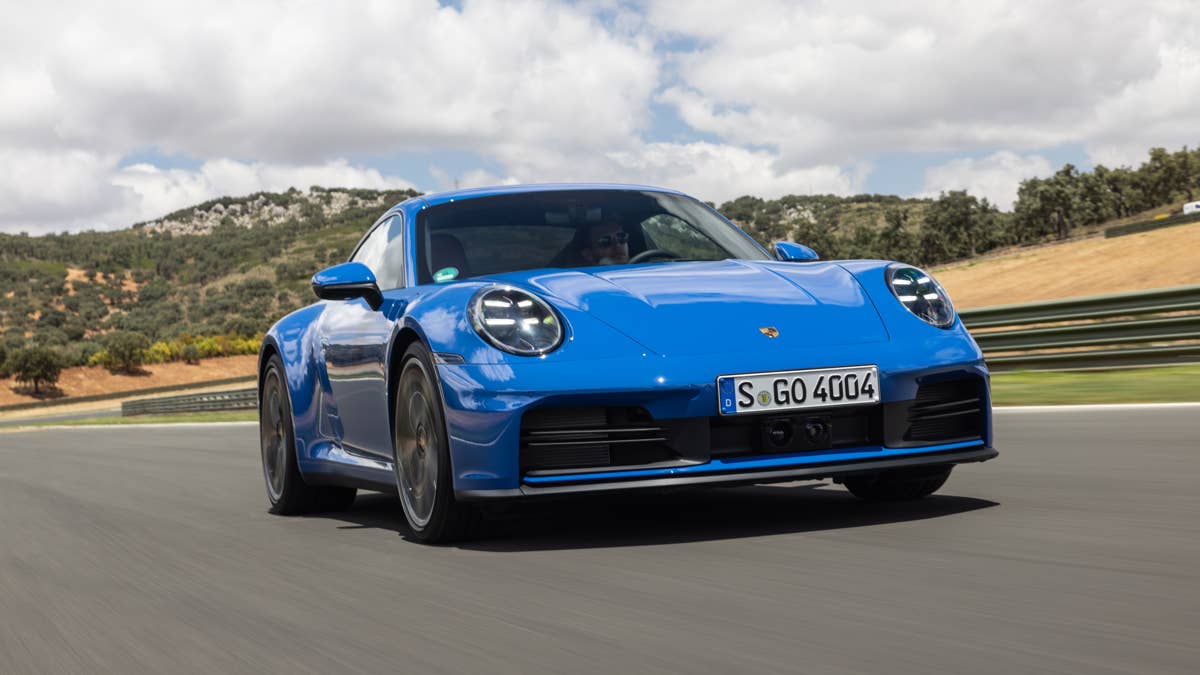
While over 80% of the car market today is made up of grayscale cars, it’s much lower for sports cars specifically, at 63.6%. Gray, black, and white still dominate, but to a much lesser degree. A greater percentage of sports car buyers choose colors like blue, red, and green. Interestingly, yellow sports cars are more prevalent now by 142% compared to 1996. Even more surprisingly, yellow cars retain more of their value than other colors, according to another iSeeCars study.
“Relative to every other vehicle segment, sports cars still offer a veritable rainbow of color diversity, illustrating the expressive nature of these vehicles and their owners,” said Brauer.
Sports cars like the Chevrolet Corvette and Porsche 911 are available with diverse color palettes that aren’t typically offered on sedans or SUVs. These cars are not just more engaging to drive, but owners are more likely to choose unusual specifications and finishes that stand out.
Related: The Surprising Car Colors That Actually Make You Money (And the Ones That Cost You)
Final Thoughts
Toyota
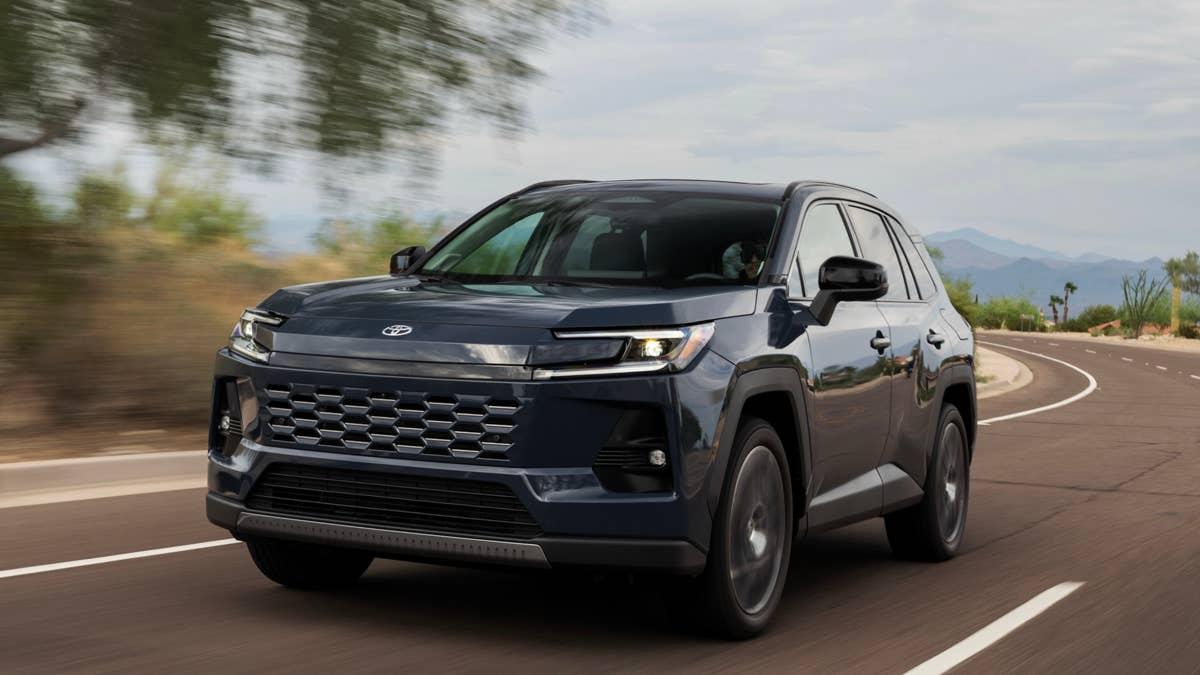
The plateauing of grayscale colors may just hint at the return of colorful cars once more, but it’s unlikely to happen quickly. Grayscale shades remain closely associated with high resale values, practicality (they’re easier to keep looking clean), and minimalist tech trends.
The downside? Many modern vehicles already lack the distinct personalities we saw in their predecessors 30 years ago. The prevalence of screen-based interfaces and the need to design cars around increasing crash-safety standards—when combined with the popularity of grayscale shades—have left us with a sea of lookalike crossovers and trucks.
Related: Funky or Fun? Automakers and Their Interesting Names for Colors