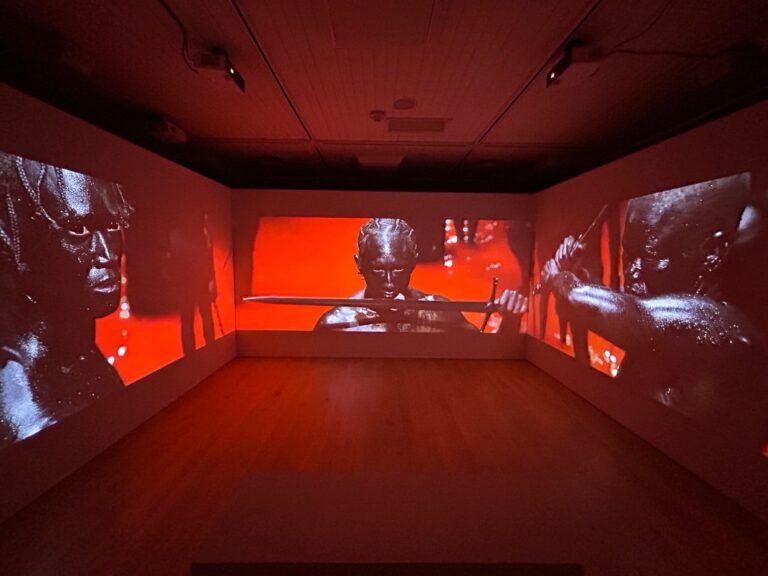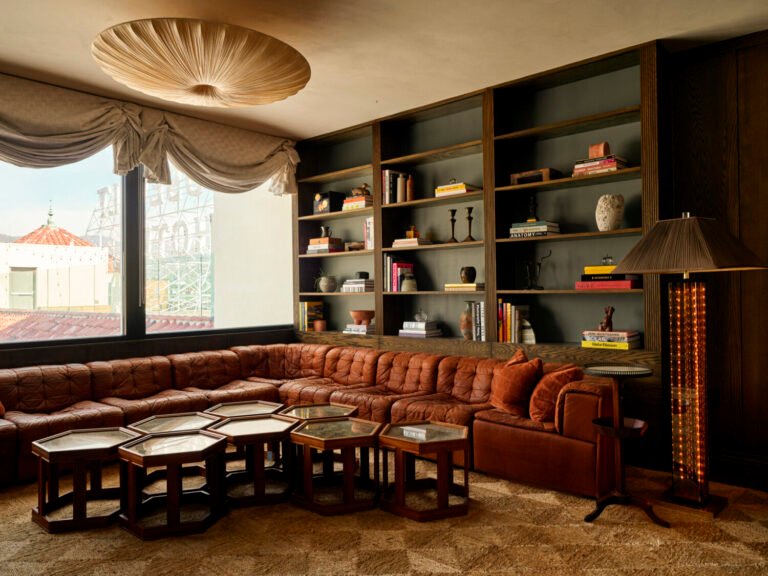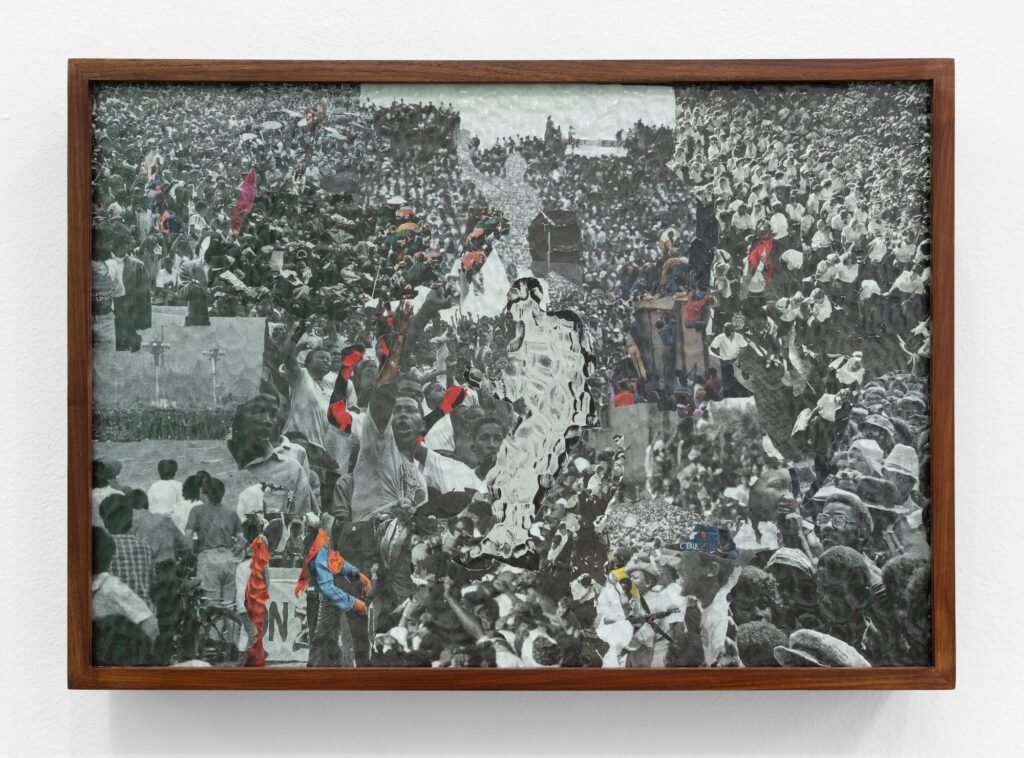
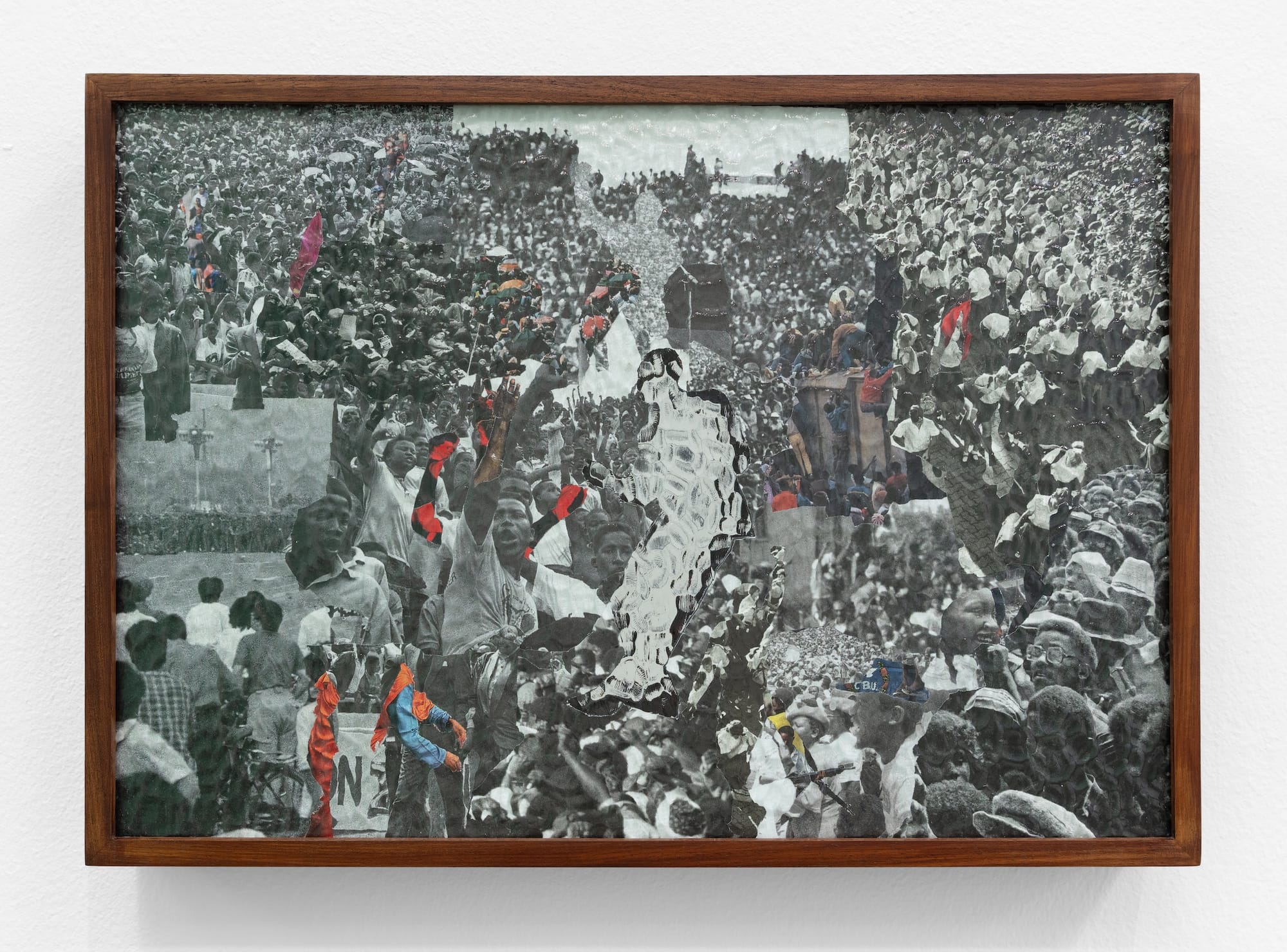
ARLES, France — When the 57th Rencontres d’Arles photography festival opened in the second week of July, its 47 exhibitions filled the ancient churches, modern galleries, and unconventional venues of Arles with contemporary photographs, and almost no air conditioning. Sweaty yet jovial visitors moved through Roman and medieval structures and along bustling streets lined with Parisian-priced cafés, carrying personal Evian misters and plastic spinning fans, new staples of the European summer in the age of climate crisis. Opening week drew 22,000 people, nearly half the population of Arles, a small French city on the Rhône once home to Vincent Van Gogh, yet everyone appeared to know everyone, or at least to know who everyone was. The festival runs through October 4, with a season pass costing €42 euros.
More than 115 public events took place over the first week — artist panels, curator tours, book signings at the Arles Books Fair, an open-air cinema program by the documentary platform Tënk, sponsored parties that ran into the small hours — and the majority were free. Some ancillary, unofficial, art-world gatherings required an invitation; the rest simply required knowing where they were happening.
“It doesn’t have as much pretension as a lot of the other [art] events — although people who have been coming longer would probably push back on that,” said Perry Shimon, a contributing editor at Autre and curator of Filoxenia: Queer Joy in the Mediterranean, a film and photographic project showcased at the festival.
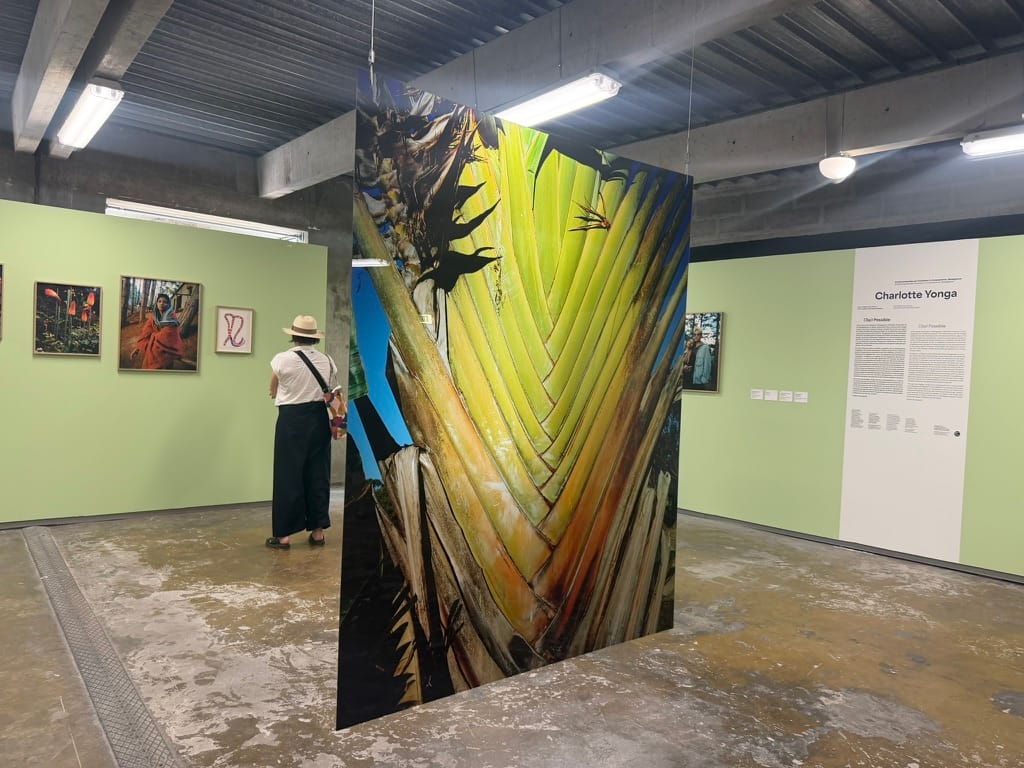
Director Christoph Wiesner wrote in the catalog that “as everything pushes toward simplification, division and reduction,” the 57th edition of the Rencontres d’Arles would create a space for “complexity and attentiveness.” This year, that center space is given over to those whom the Western canon long consigned to its margins — though the festival itself avoids this vocabulary.