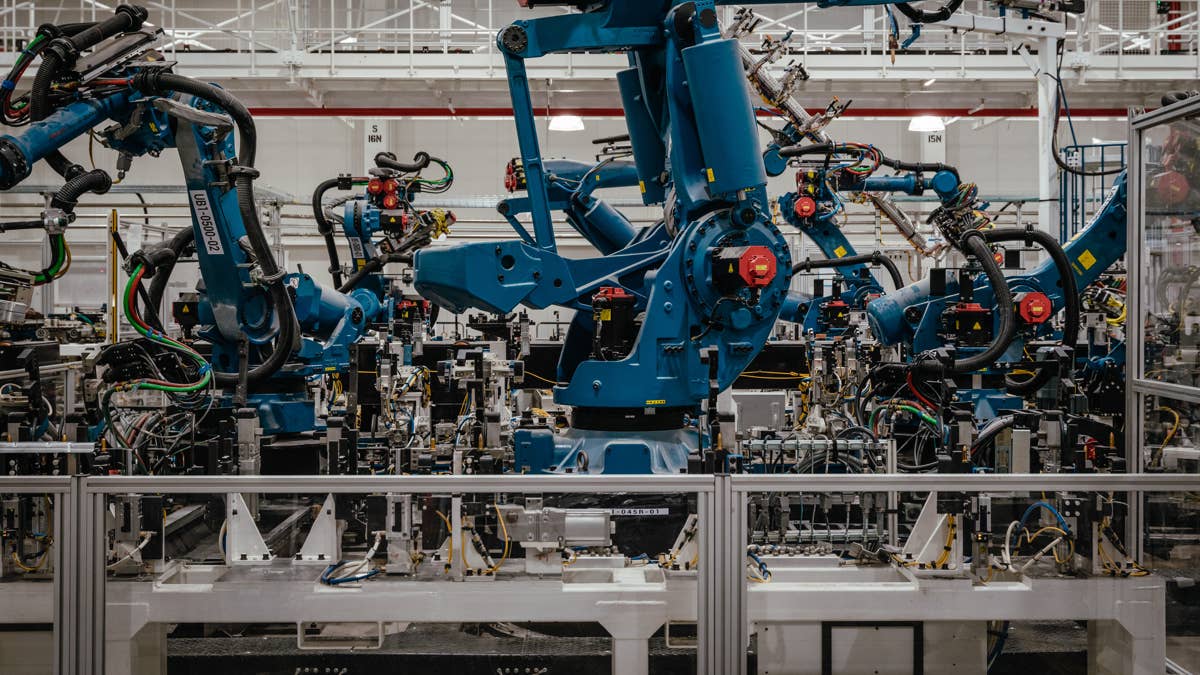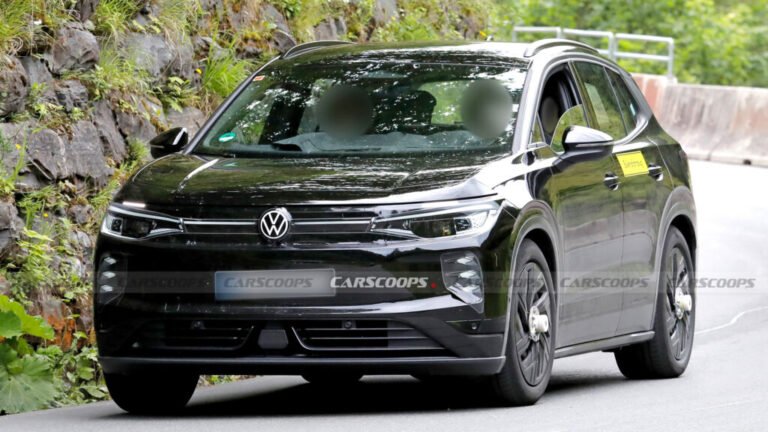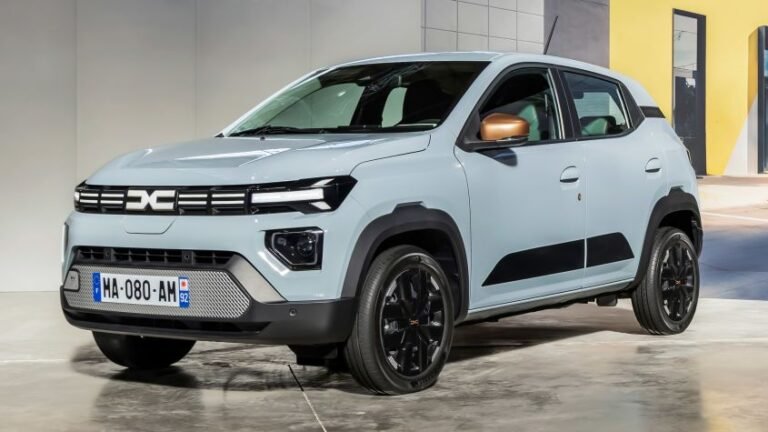
The AI Memory Monster Gobbles Up Auto Chips
The automotive industry is steering straight into another massive semiconductor crisis. This time, automakers are locked in a brutal bidding war against tech giants with bottomless pockets. Artificial intelligence data centers require massive amounts of Dynamic Random-Access Memory to function. Consequently, silicon suppliers are prioritizing companies like Meta and Google over traditional car brands.
This sudden market shift validates warnings raised earlier this year about next-generation vehicle vulnerabilities. Modern software-defined cars rely heavily on memory to run driver-assistance systems and digital dashboards. With DRAM spot prices skyrocketing by roughly 450 percent, automakers are struggling to secure the supply necessary to power these data-heavy platforms.
AI Generated/Gemini
Automakers Bleed Billions in the Silicon War
According to a report from Automotive News, the financial damage is already rippling through quarterly earnings reports. General Motors recently boosted its commodity inflation guidance by 500 million dollars due to memory costs. Ford is absorbing nearly 1 billion dollars in inflationary pressures driven by severe DRAM constraints. Meanwhile, Honda reported a massive 295 million dollar hit to sales volume because of semiconductor shortages.
This crisis reminds experts of past supply chain crunches. In recent years, we saw production halts on iconic models when vital components vanished overnight. The current bottleneck is even more insidious because it targets high-tech features consumers expect. Buyers might see advanced autonomy packages restricted exclusively to expensive luxury trims to cut manufacturer costs.
The alternative for car companies is delaying deliveries entirely. We have already seen shoppers navigating delayed deliveries and missing features during past silicon anomalies. Adding this dilemma to an industry already burdened by complex powertrain transitions creates a perfect storm. Automakers are learning that their purchasing power pales in comparison to the tech sector.
Stellantis
The AI Irony
Silicon manufacturers hold all the leverage in this negotiation. Samsung, SK Hynix, and Micron control nearly 90 percent of the automotive memory market. These suppliers are forcing automakers into expensive, multi-year contracts just to guarantee chip allocations. These long-term agreements ensure that vehicle manufacturing costs will remain elevated for years to come.
Furthermore, cars generally utilize older generations of memory architecture that require long validation cycles. Chip factories make much higher margins on the cutting-edge tech demanded by AI servers. Between supply chain issues ranging from obscure gases to structural market reallocations, the automotive world faces an uphill battle against Silicon Valley. Drivers must brace for higher sticker prices and fewer high-tech features.