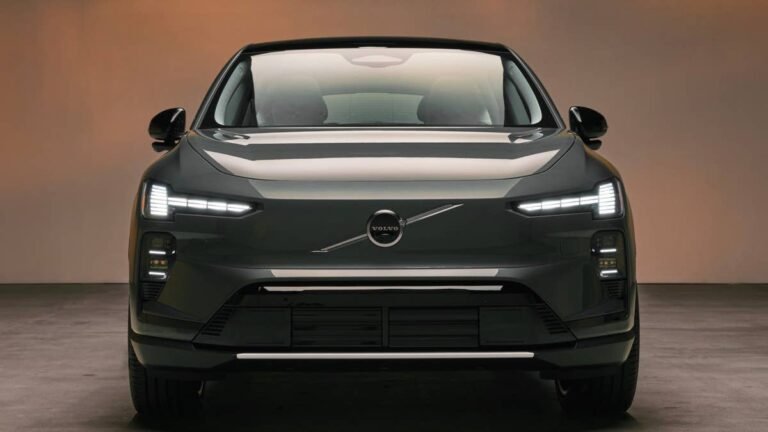
The Driver Data Business
Automakers have long sold driver data to third parties for profit, though the practice has only recently come under greater scrutiny through lawsuits involving brands such as Toyota and General Motors. But it appears the approach may not continue, not only because of regulatory hurdles and growing backlash, but also since automakers are barely making meaningful profits from it anyway.
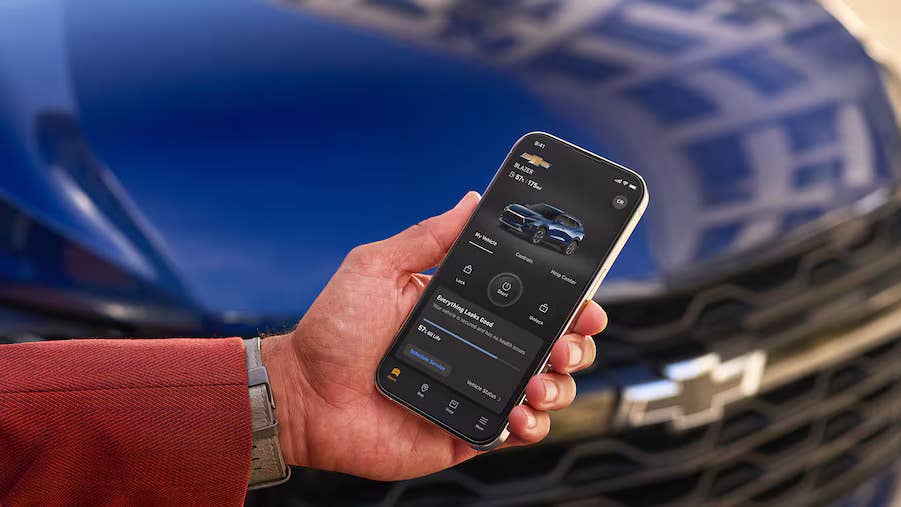
For those hearing this for the first time, automakers argue that subscribing to their connected services means agreeing to the terms and conditions, which may include the sale or sharing of user data. Connected services include features such as navigation, location tracking, and vehicle diagnostics, all of which need data to function. That data is allegedly sold or shared with third parties, such as data brokers and insurance-related companies, potentially allowing insurers to raise or lower rates based on a car owner’s driving behavior.
Not Exactly a Gold Mine
Now, Automotive News, citing Omdia’s latest Software-Defined Vehicle Survey, suggested that automakers are not seeing significant gains from selling customer data. Between 2020 and 2024, Honda reportedly earned just 26 cents per vehicle from driver data sales, while Hyundai generated about 61 cents per vehicle from 2018 to 2024.
Instead of selling the data, the survey – which gathered responses from 559 auto industry professionals across seven markets, including the U.S. – suggested that automakers could see greater value by using it internally, particularly to improve advanced driver assistance features such as lane-keeping assist. That argument may hold up, as even affordable cars like the Nissan Sentra, which starts at around $22,000, already offer advanced driver-assistance features.
Predictive maintenance is also seen as a strong source of after-sales revenue while helping improve customer loyalty.
Chevrolet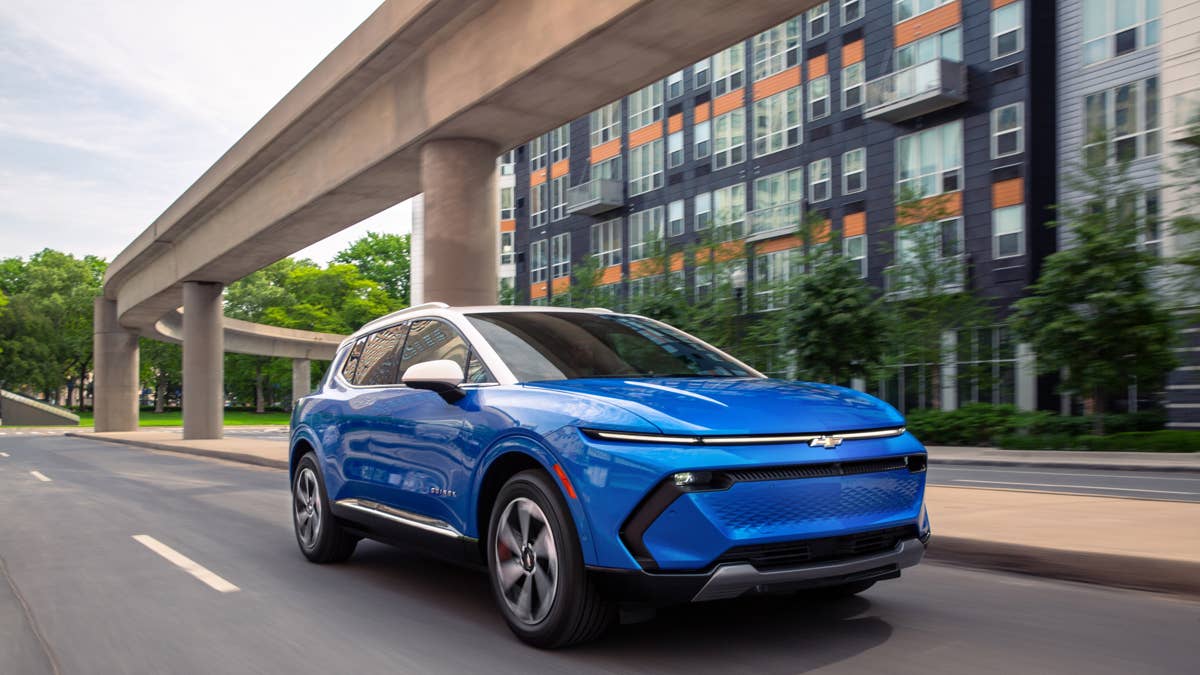
Connected Cars Aren’t Going Away
Amid the privacy concerns, General Motors and its connected service, OnStar, were prohibited by the Federal Trade Commission from sharing certain data with consumer reporting agencies for five years. However, the automaker continues to offer data-driven features, including Super Cruise, which provides functions such as hands-free driving.
As cars become more advanced, with models like the Tesla Model 3 often described as software-defined vehicles, more data will inevitably be processed. The question now is how that data can be used properly without violating privacy rights. Lawmakers have even proposed systems that could prevent cars from starting if they detect that the driver is drunk. But if anything, this survey suggests that automakers may be heading in the right direction by using vehicle data to improve systems instead.
Kyle Edward