Surging EV sales contribute to record average car prices
Roughly halfway through the year, the average transaction price (ATP) of a new vehicle in the United States stood at $48,799. Since then, factors like tariffs and the switch to the 2026 model year have seen prices rise, making cheap vehicles increasingly hard to find. Based on new estimates from Kelley Blue Book, the ATP of a new vehicle reached $50,080 in September, marking the first time it has ever gone beyond the $50k mark.
The ATP is 2.1% higher than in August and 3.6% higher than it was in September last year. Incentive spending and the average MSRP of new cars were also up. So, what contributed to the record ATP last month, and what does this mean for Americans who can’t afford to spend $50k on a new car?
Soaring EV Sales Contribute To Record Average Prices
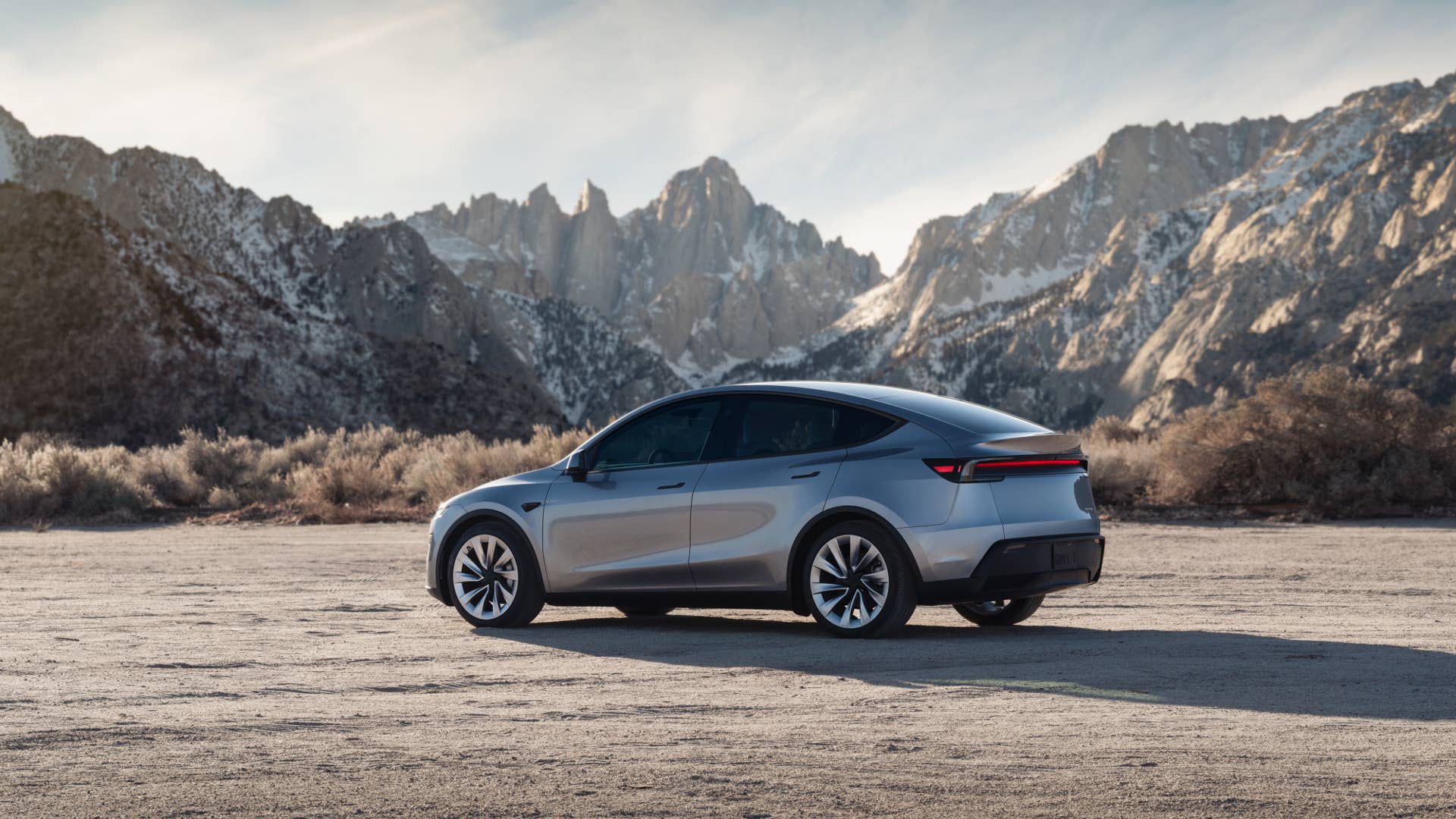
The federal tax credit for electric vehicles expired at the end of September, and many people rushed to buy a new EV before the deadline. A record 437,487 EVs were sold in Q3, up by almost 30% year-on-year. Given that many EVs cost over $50,000, it’s understandable that this segment contributed to record average car prices last month.
“Tariffs have introduced new cost pressure to the business, but the pricing story in September was mostly driven by the healthy mix of EVs and higher-end vehicles pushing the new-vehicle ATP into uncharted territory,” said Erin Keating, Executive Analyst from Cox Automotive. “We’ve been expecting to break through the $50,000 barrier. It was only a matter of time, especially when you consider the best-selling vehicle in America is a pickup truck from Ford that routinely costs north of $65,000. That’s today’s market, and it is ripe for disruption.”
The ATP for all EVs reached $58,124 in September, while over 60 models across all powertrain types had ATPs of over $75,000, driving up the average. For vehicles costing over $100,000, the Cadillac Escalade led the way with 4,320 units sold in September.
Budget Car Prices Higher, Too
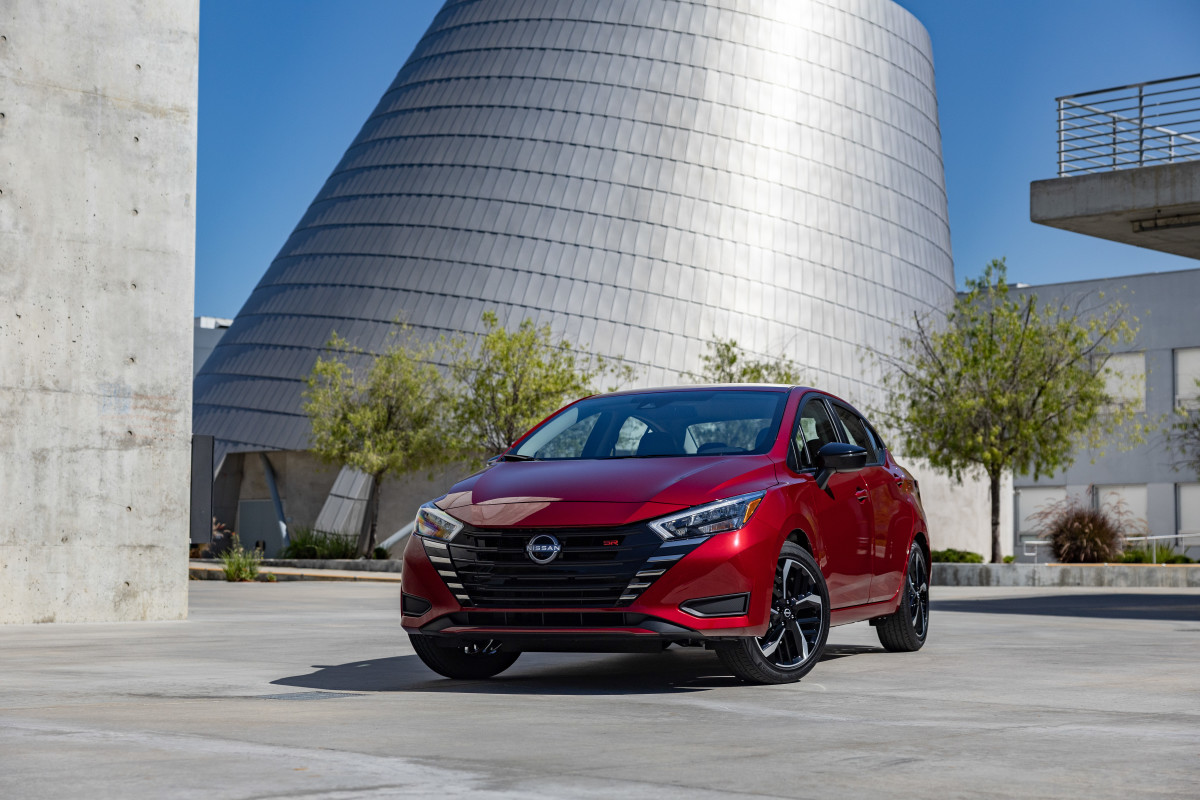
Shoppers in the budget segment are having to contend with higher prices and fewer choices. The $17,190 Nissan Versa is one of the last sub-$20,000 cars on sale.
“The $20,000-vehicle is now mostly extinct, and many price-conscious buyers are sidelined or cruising in the used-vehicle market. Today’s auto market is being driven by wealthier households who have access to capital, good loan rates and are propping up the higher end of the market,” said Keating.
For lower- or middle-income households, buying a new car is much more challenging. As mentioned, gas-powered cars under $20k are virtually dead. Affordable EVs—generally considered any EV under $40k—are rare, but the Nissan Leaf and Chevy Bolt both start under $30k. These models are outliers, though, and the Bolt hasn’t even gone on sale yet.
Final Thoughts
Worryingly, the rising average price of a new car coincides with an increase in auto loan delinquencies, repossessions, and defaults in recent months. Americans are still buying a lot of new cars, but at a staggering cost. Last month, the Consumer Federation of America said Americans owe over $1.66 trillion in auto debt in what it referred to as “an auto finance crisis.”
Slate’s $25k electric pickup truck is one model hoping to revive the budget segment, but while more affordable EV options are becoming available, no-frills gas-powered cars—still the only option for many—are in short supply.
Many Americans will simply be forced to turn to the used market to find a decent $20,000 car.