The cost of buying a new car in the US crossed another psychological threshold at the end of last year. New data from Kelley Blue Book shows that the average transaction price for a new vehicle topped $50,000 in December, marking the highest monthly figure ever recorded and underscoring how far the market has shifted from pre-pandemic norms.
Kelley Blue Book reports the average buyer paid just over $50,300 for a new vehicle in December, up slightly from November and higher than a year earlier. This is not a sticker price average but the real-world figure consumers actually paid at dealerships. It reflects a market where higher-priced vehicles dominate sales and where affordability pressures continue to build.
Trucks, SUVs, and the Mix Problem
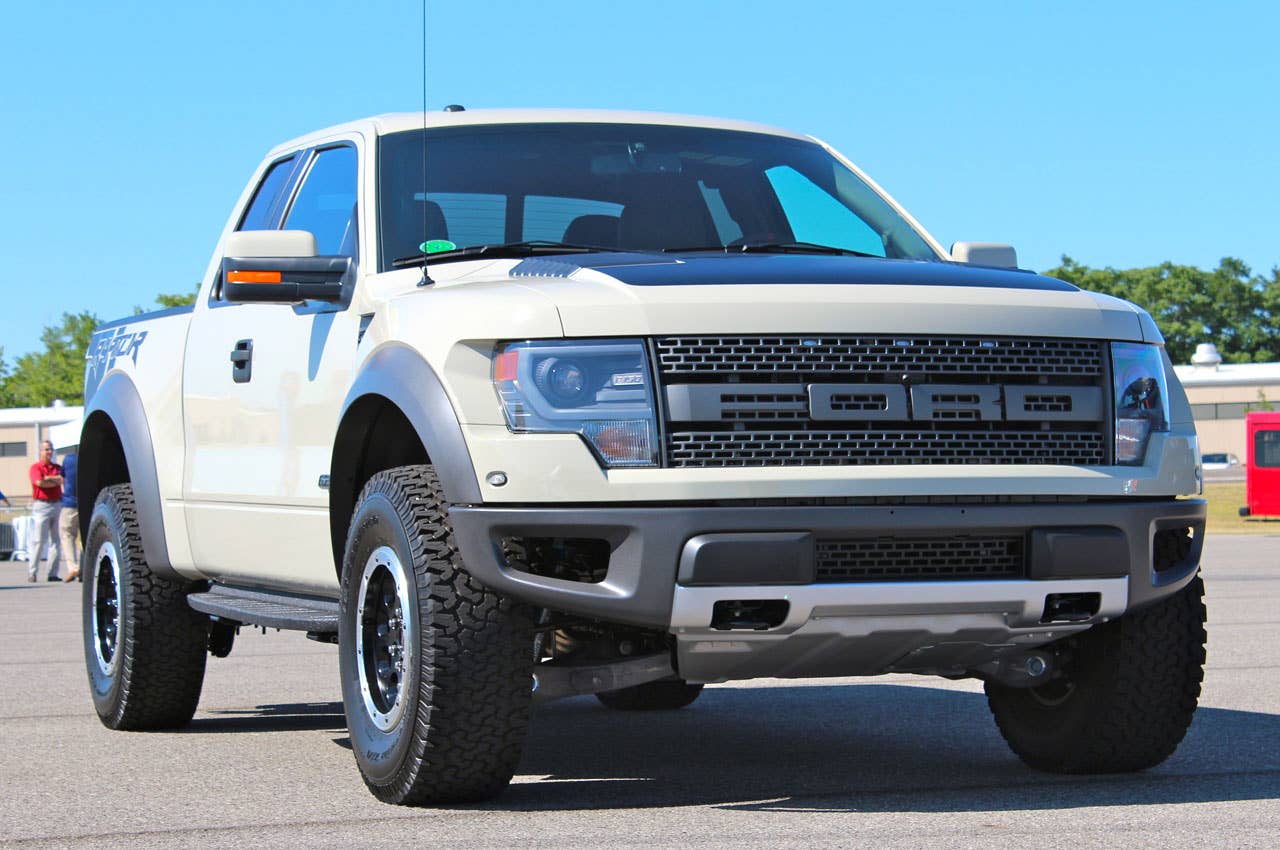
One of the biggest drivers behind the $50,000 average is the type of vehicles Americans are buying. Full-size pickup trucks and SUVs continue to account for a growing share of sales, and both segments carry transaction prices well above the market average. In December alone, buyers spent a record amount on full-size pickups, many of which now regularly transact above $65,000 when equipped with popular trims and options.
This mix shift matters more than across-the-board price hikes. Entry-level cars still exist, but they represent a shrinking slice of the market. As buyers gravitate toward larger, better-equipped vehicles, the average price naturally rises even if individual model pricing remains relatively stable.
Affordability Pressures Keep Building
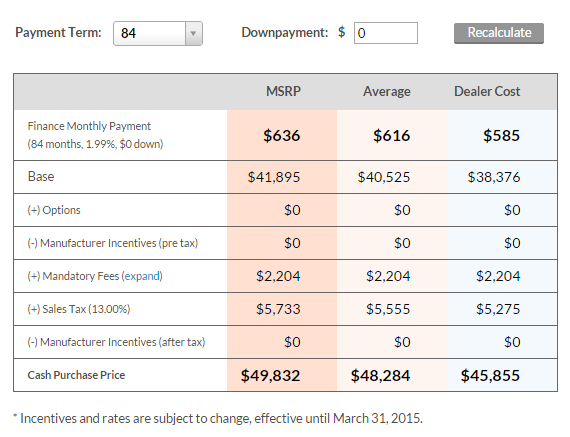
The $50,000 milestone lands at a time when affordability is already under strain. Recent Edmunds data exposes the reality of new-car affordability showing that monthly payments and loan terms are stretching further than ever. Higher interest rates combined with higher transaction prices mean many buyers are paying more each month, even when incentives increase.
Automakers have attempted to soften the blow with larger discounts toward the end of the year, but incentives have not been enough to reverse the broader pricing trend. December followed a familiar seasonal pattern where year-end demand and premium vehicle sales push averages higher.
Looking ahead, there is little indication that average new-car prices will meaningfully retreat. GM and Toyota have warned buyers that new-car prices are unlikely to drop in 2026, citing ongoing cost pressures, regulatory requirements, and consumer demand for high-content vehicles.
Even design trends, such as lighting and technology features, point to an industry increasingly focused on complexity and differentiation rather than cost reduction.
Jay L Clendenin/Getty Images
Why It Matters
Crossing $50,000 is more than just a number. It highlights how the US new-car market is drifting further away from mass affordability and closer to a premium-led model, with implications for buyers, lenders, and automakers alike.