Azoma
- Azoma helps brands get their products discovered by AI shopping agents.
- Its platform measures brands’ AI visibility among specific shoppers and offers tips to improve.
- Azoma just raised $11.2 million in a round led by Puma Growth Partners.
As people begin to delegate online purchases to AI assistants and agents, the startup Azoma wants to ensure its consumer-goods clients make the shopping list.
Azoma works with brands to help their products be discovered by AI shopping agents and platforms, including OpenAI’s ChatGPT, Google’s Gemini, Alexa for Shopping, and Walmart’s Sparky.
The company exclusively told CMO Insider on Wednesday that it had raised an $11.2 million Series A funding round, led by Puma Growth Partners.
Founded in 2022, Azoma initially focused on helping brands show up prominently in AI search and chatbots, operating in the fast-growing field of generative engine optimization, or GEO. Then, over the past year, at least a dozen new AI shopping assistants from retailers rolled out, alongside the launch of personal AI assistants like Meta’s Muse, OpenAI’s Dots, and Instinct, which can also make purchases on a user’s behalf.
In December, Morgan Stanley estimated that AI-powered shopping assistants could account for up to $385 billion in US e-commerce sales by 2030.
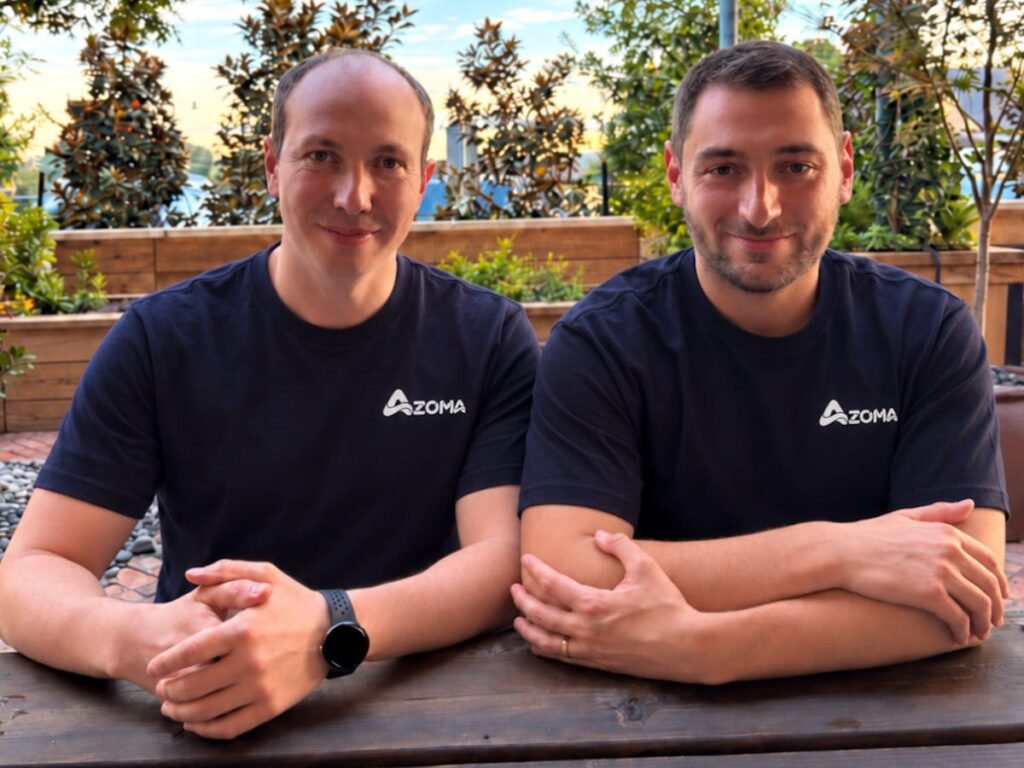
“The space has evolved rapidly from customers just really caring about answer engines to caring about the other types as well,” Azoma CEO Max Sinclair told CMO Insider.
Azoma’s customers include Unilever, L’Oréal, Reckitt, and Mars. It offers them a service it calls agentic commerce optimization, a technique that helps make their products more discoverable by large language models and more likely to be recommended by them.
Azoma suggests actions the clients can take to improve their visibility, from honing their marketplace listings to optimizing their content on YouTube and Reddit. It also uses “digital twin” technology to simulate different consumer demographics, so brands can see how their products are presented to the specific shoppers they want to target.
Sinclair said Azoma differs from other GEO companies because it’s laser-focused on the commerce space and working with brands who sell physical goods.
“Many of our customers have tried these generic GEO platforms and found that they don’t understand commerce at all,” Sinclair said. “They don’t understand the integrations, they don’t understand the workflows, they don’t understand the existing tech stack, they don’t understand how the teams work, how they’re operated, how they’re motivated.”
Sinclair said Azoma plans to invest the fresh funds in ensuring its technology can track across all the latest agents, from Meta’s Muse to TikTok’s new Shopping Assistant. The company charges a fee per brand, geography, and shopping agent.
Sinclair estimated the company’s head count would grow to around 80 to 100 people next year, up from 40 currently, as it ramps up hiring in areas including sales, customer success, AI research, software development, and operations.
Azoma also plans to integrate data from the Tesco-owned retail analytics company Dunnhumby to help brands determine whether increasing their share of voice on a platform like ChatGPT translates into a sales lift at brick-and-mortar retailers.
Dunnhumby Ventures also participated in the round, alongside Twinpath, Mars IAF, Rank Ventures, and Ignite Ventures.
Check out the pitch deck Azoma used to secure its $11.2 million Series A investment, shared exclusively with CMO Insider. Some of the slides have been omitted or redacted.
Azoma
Azoma
Azoma
Azoma
Azoma
Azoma
Azoma
Azoma
Azoma
Azoma
Azoma
Azoma
Azoma
Azoma
Azoma
Azoma
Azoma
Azoma
Azoma
Azoma
Azoma