
Korean is one of the most rewarding languages to pick up right now, and one of the more demanding for English speakers. The alphabet is new, the verb goes at the end of the sentence, particles do the work that word order does in English, and politeness is built into the grammar through speech levels and honorifics. None of that makes Korean impossible. It just means the right tools matter.
The good news is that the app ecosystem for Korean is strong. Whether you want to drill vocabulary, book a tutor, or learn from K-dramas, there is a tool built for it.
 No single app does everything well. The best Korean learners build a stack: a structured app for grammar, a spaced-repetition tool for vocabulary, a dictionary, and something for speaking practice. This guide is organized to help you do that.
One piece of advice before you start: learn Hangul first. The Korean alphabet is logical, and most people can read it within a few days. Apps that keep you leaning on romanization will slow you down.
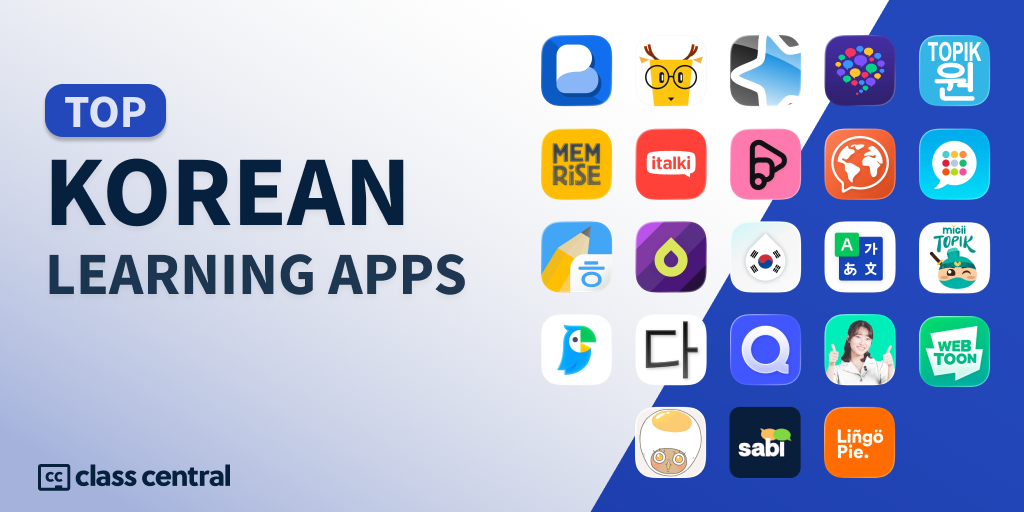
I’ve organized the best apps by what they’re for. Each entry lists the platforms it runs on and how it’s priced.
 In this guide
- General purpose apps
- Hangul & getting started
- Dictionary & reference
- Flashcards & vocabulary
- Conversation & speaking
- Immersive media & reading
- Podcasts & audio
- YouTube channels
- TOPIK exam prep
| App | Platform | Cost |
|---|---|---|
| General purpose | ||
| LingoDeer | iOS | Android | Web | Free | Premium |
| Duolingo | iOS | Android | Web | Free | Premium |
| Rosetta Stone Korean | iOS | Android | Web | Subscription |
| Mondly | iOS | Android | Web | Free | Premium |
| Busuu | iOS | Android | Web | Free | Premium |
| Hangul & getting started | ||
| Write It! Korean | iOS | Android | Free | IAP |
| Drops | iOS | Android | Web | Free | Premium |
| Learn Korean & Study Hangul | iOS | Free | IAP [verify] |
| Dictionary & reference | ||
| Naver Dictionary | iOS | Android | Web | Free |
| Papago | iOS | Android | Web | Free |
| Dongsa | iOS | Android | Web | Free |
| Flashcards & vocabulary | ||
| Anki / AnkiDroid | Android | iOS | Web | Free | Paid (iOS) |
| Memrise | iOS | Android | Web | Free | Pro |
| Quizlet | iOS | Android | Web | Free | Plus |
| Conversation & speaking | ||
| Teuida | iOS | Android | Web | Free | Subscription |
| iTalki | iOS | Android | Web | Paid (per lesson) |
| Preply | iOS | Android | Web | Paid (per lesson) |
| HelloTalk | iOS | Android | Web | Free | Premium |
| Eggbun | iOS | Android | Web | Free | Subscription |
| Speechling | iOS | Android | Web | Free | Paid |
| Immersive media & reading | ||
| Language Reactor | Web | Chrome | Free | Pro |
| Sabi | Chrome | Free | Paid [verify] |
| LingoPie | iOS | Android | Web | Subscription |
| FluentU | iOS | Android | Web | Subscription |
| Naver Webtoon | iOS | Android | Web | Free |
| Podcasts & audio | ||
| Talk To Me In Korean | Web | Spotify | Apple Podcasts | Free podcast | Paid platform |
| KoreanClass101 | iOS | Android | Web | Free | Subscription |
| Pimsleur Korean | iOS | Android | Web | Subscription |
| YouTube channels | ||
| GO! Billy Korean | YouTube | Web | Free |
| KoreanClass101 (YouTube) | YouTube | Web | Free |
| sweetandtastyTV | YouTube | Free |
| TOPIK exam prep | ||
| Migii TOPIK | iOS | Android | Web | Free | Premium |
| TOPIK One | Android | iOS | Free |
General purpose apps

LingoDeer
LingoDeer was built specifically for Korean, Japanese, and Chinese, which is why it handles Korean grammar better than most general apps. Lessons are sentence-based and structured, with native audio, writing practice, and a clear path from Hangul through intermediate grammar.
The first lessons are free; full access needs a subscription. It is the best starting point if you want structure without a tutor.

Duolingo
Duolingo is the most popular language app and a low-friction way to start Korean. Short, gamified lessons cover vocabulary, reading, listening, and some speaking. Grammar explanations are thin and it moves past Hangul quickly, so pair it with a dictionary and a grammar resource.
It is free with ads, and Super removes them.

Rosetta Stone Korean
Rosetta Stone teaches through images and audio instead of translation, so you build associations directly in Korean. Speech recognition gives pronunciation feedback from the first lesson, and the program covers speaking, listening, reading, and writing across levels.
There is no free tier, but there is a money-back window if it is not for you.

Mondly
Mondly is a polished, gamified app in the same mould as the big all-in-ones. It offers daily lessons, themed topics, native audio, and an optional VR mode. It is a good casual pick if Duolingo’s style appeals but you want something different.
A daily lesson is free, and Premium unlocks the rest.

Busuu
Busuu recently added Korean, with a Complete Korean track plus dedicated Hangeul and K-drama courses. Its standout feature is feedback from native speakers on your writing and speaking.
The beginner track is usable on the free tier, and Premium adds grammar tools, offline access, and certificates.
Hangul & getting started
Learn to read Hangul before anything else. These apps focus on the alphabet, and both LingoDeer and Busuu also include strong Hangul intros if you would rather start there.


Learn Korean & Study Hangul
This is a dedicated Hangul-first app that walks you through reading and pronouncing each letter before moving into words. It is useful if you want a single tool just for the alphabet stage.
Dictionary & reference


Flashcards & vocabulary

Anki / AnkiDroid
Anki is the most powerful spaced-repetition tool, and a favorite of serious learners. You can build your own decks or download community Korean and TOPIK decks.
AnkiDroid is free, the iOS app is a one-time paid purchase, and AnkiWeb syncs your progress across devices.


Conversation & speaking


Preply
Preply is another tutor marketplace, with lesson insights that show how much you spoke and what to review next. You pick a tutor from their video and reviews, and you can switch until one fits your level and goals.
It is the right call if you want speaking practice baked into a regular routine.


Immersive media & reading
Learning from real Korean content works once you have the basics. These tools add study features on top of shows, video, and text.

Language Reactor
Language Reactor turns Netflix and YouTube into a study tool, with dual subtitles, a built-in dictionary, and vocabulary tracking. It also has a reading library of public-domain Korean texts and a curated video and podcast catalog, so it covers listening and reading in one place.
We reviewed it in depth here.

Sabi
Sabi adds dual subtitles and interactive exercises directly to Rakuten Viki. This is useful because Viki’s own Learn Mode was discontinued, and Language Reactor does not support Viki.
Pair it with Viki’s large K-drama catalog to study through the shows you are already watching.


Podcasts & audio

Talk To Me In Korean
Talk To Me In Korean is one of the most established Korean resources, with a large library of audio lessons organized into levels. The podcast is free, and the full platform is paid.
The free membership tier was removed in 2024, so you now need a subscription for the lesson materials.


YouTube channels


sweetandtastyTV
sweetandtastyTV focuses on the vocabulary and slang you hear in K-dramas and K-pop, with cultural context. The videos are casual and a good fit if media is what drew you to Korean.
TOPIK exam prep
If you are working toward the Test of Proficiency in Korean, these apps are built for it.


Prefer structured courses, university programs, and tutoring? See our companion guide, 8 Best Korean Courses. Learning another language too? We also cover the best Mandarin Chinese learning apps.
The post Best Korean Learning Apps for 2026: Free and Paid appeared first on The Report by Class Central.