The BMW B58 and S58 are the same engine family, but they are not the same engine. One will take you to over 500 horsepower with the right combination of software, hardware, and fuel support. The other came from the factory with connecting rods borrowed from a V8, forged Mahle pistons, DLC-coated wrist pins, twin high-pressure fuel pumps, and a cooling package built for sustained abuse. Both are turbocharged 3.0-liter inline-sixes. Both have earned strong reputations by modern BMW standards. The question of which one you’d actually choose says a lot about how you use a BMW.
The B58: BMW’s Best Everyday Engine

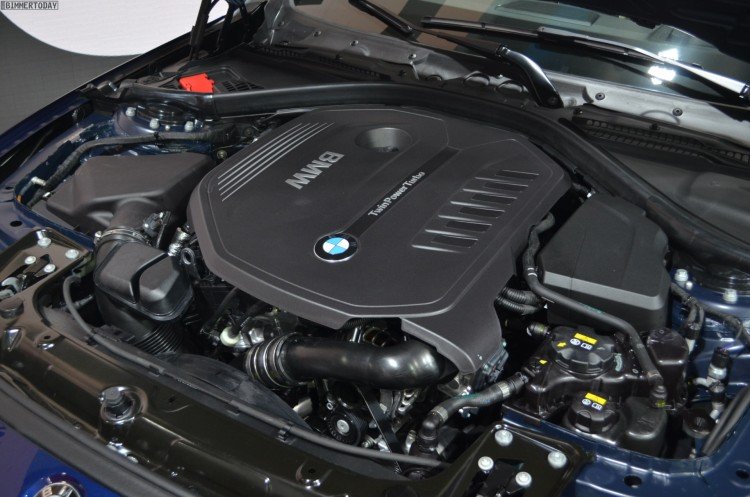
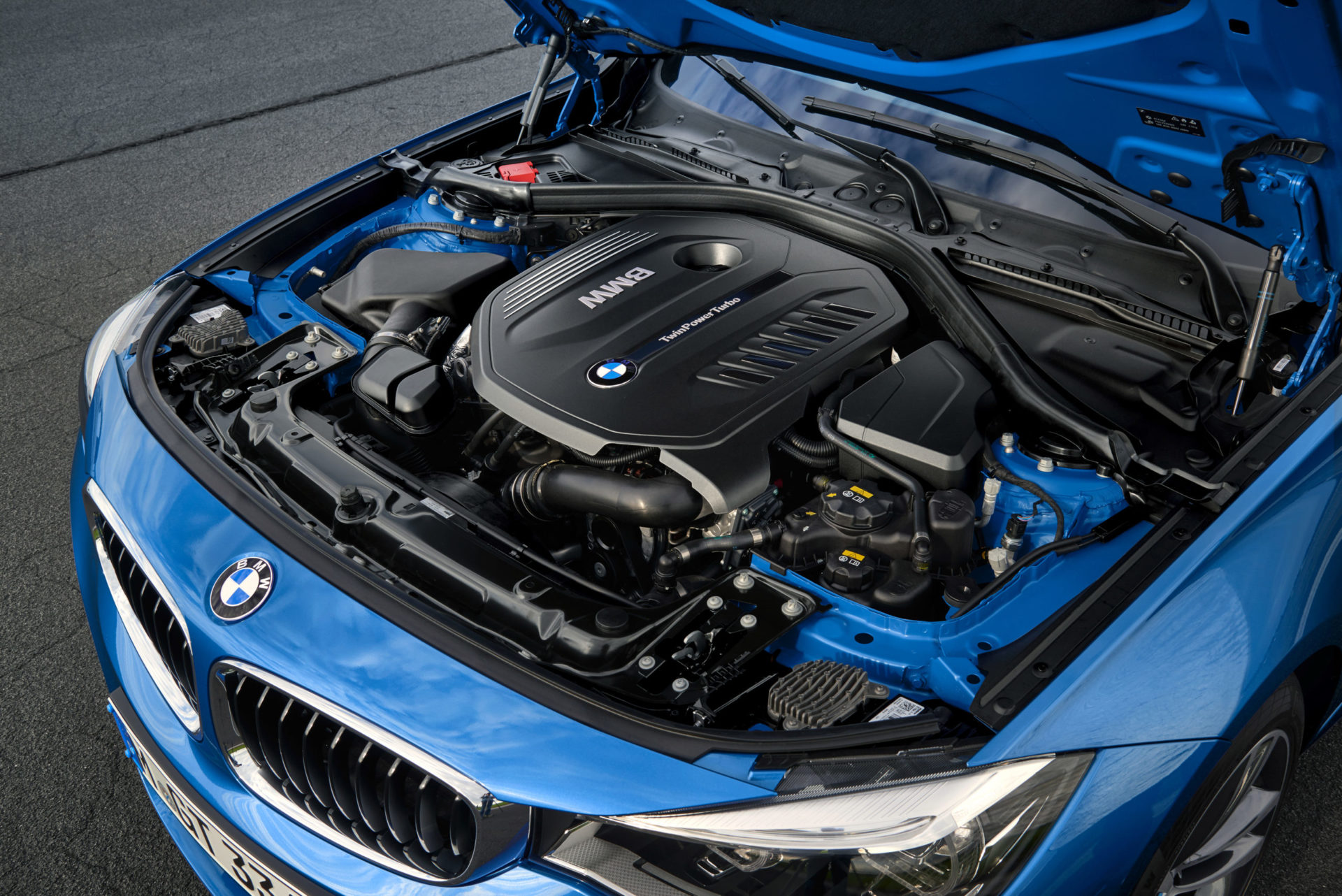
The B58 arrived in 2015 in the F30 340i and has been refined steadily ever since. It’s a 3.0-liter turbocharged inline-six with a single twin-scroll turbocharger, a closed-deck block, a forged steel crankshaft, forged connecting rods, and a water-to-air intercooler integrated into the intake plenum. Bore is 82 mm, stroke is 94.6 mm, compression sits at 11.0:1, and the redline is 7,000 rpm. In stock form, it has made anywhere from the low-300-horsepower range to 382 horsepower depending on the application, though independent dynos have shown it consistently overdelivers on BMW’s rated figures.

In 2018, BMW refreshed it into the B58TU, and that technical update matters if you’re buying used. The fuel system moved from 200 bar to 350 bar injection pressure, the two-piece timing chain became a single unit, and the cooling system was split into separate circuits for the block and cylinder head. Later B58TU applications, including the G20 M340i, brought meaningful improvements over the original F30 340i version: better fueling, better thermal control, and a stronger base for tuning.
Room For Tuning
What made the B58 famous isn’t the stock power. It’s what happens when you touch it. An ECU tune alone can push a B58-powered M340i past 400 horsepower with relatively little stress on the engine. Add a downpipe and the right supporting fuel-system upgrades, and the B58 can approach the 500-horsepower mark on factory internals. The tuning community quickly started calling it BMW’s modern 2JZ — an exaggeration, maybe, but not a baseless one.
Wards Auto named the B58 to its 10 Best Engines / Propulsion Systems list five times between 2016 and 2024. That’s not a fluke. It is the same basic engine family showing up across vastly different applications, from the compact M240i to larger BMW SUVs and plug-in hybrids, without complaint.
The reliability record is real. The closed-deck block handles boost and heat better than the open-deck N55 it replaced. Arc wire-sprayed cylinder walls reduce friction. The PCV system and valve cover gasket are known weak points, just as they were on earlier BMW inline-sixes, and the plastic coolant expansion tank is another item to watch. But major failures — turbo failure, internal damage, widespread timing-chain issues — are not what define the B58. Owner reports and the tuning community generally regard it as one of BMW’s most durable modern turbocharged engines.
Where the B58 falls shorter than an N55 is character. The exhaust note in stock form is slightly muted. It’s smooth and refined, which is exactly what you want in a 740i, and exactly what you don’t want when you’re supposed to be having a moment in a performance car.
With a freer-flowing exhaust and downpipe, the B58 can genuinely sound good, and the single-turbo layout often gives it a cleaner tone than the S58’s twin-turbo arrangement. But in cars where people actually want drama — the M240i, the Z4 M40i, the M340i — the B58 is still working against the grain of its own refinement.
The S58: The Engine BMW Built for Abuse
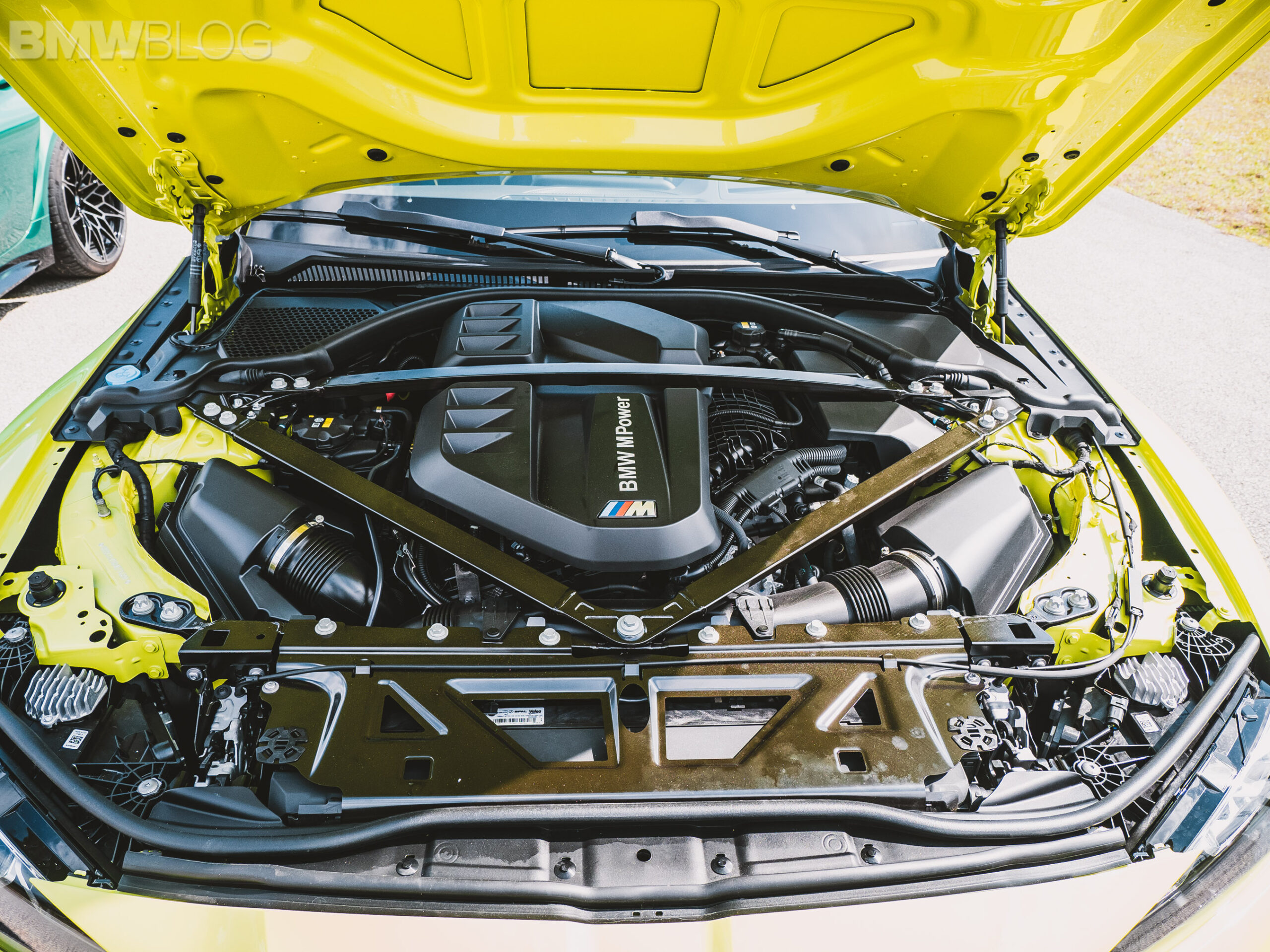
The S58 is not a tuned B58. They share an architecture and a displacement class, but almost every component that touches combustion, carries load, or manages heat was redesigned or replaced with something stronger. Understanding what BMW actually changed helps explain why the S58 costs what it does, why it behaves the way it does, and why it has a higher ceiling for serious use.
Start with the basic geometry. The bore grows from 82 mm to 84 mm, and the stroke shortens from 94.6 mm to 90 mm. That changes the engine’s character. A shorter stroke favors higher engine speeds, which is why the S58 revs to 7,200 rpm. Compression drops from 11.0:1 to 9.3:1, which sounds like a step backward until you realize why BMW did it. The S58 runs significantly more boost than the B58 in factory M applications, and lower compression gives BMW more detonation margin under high load.
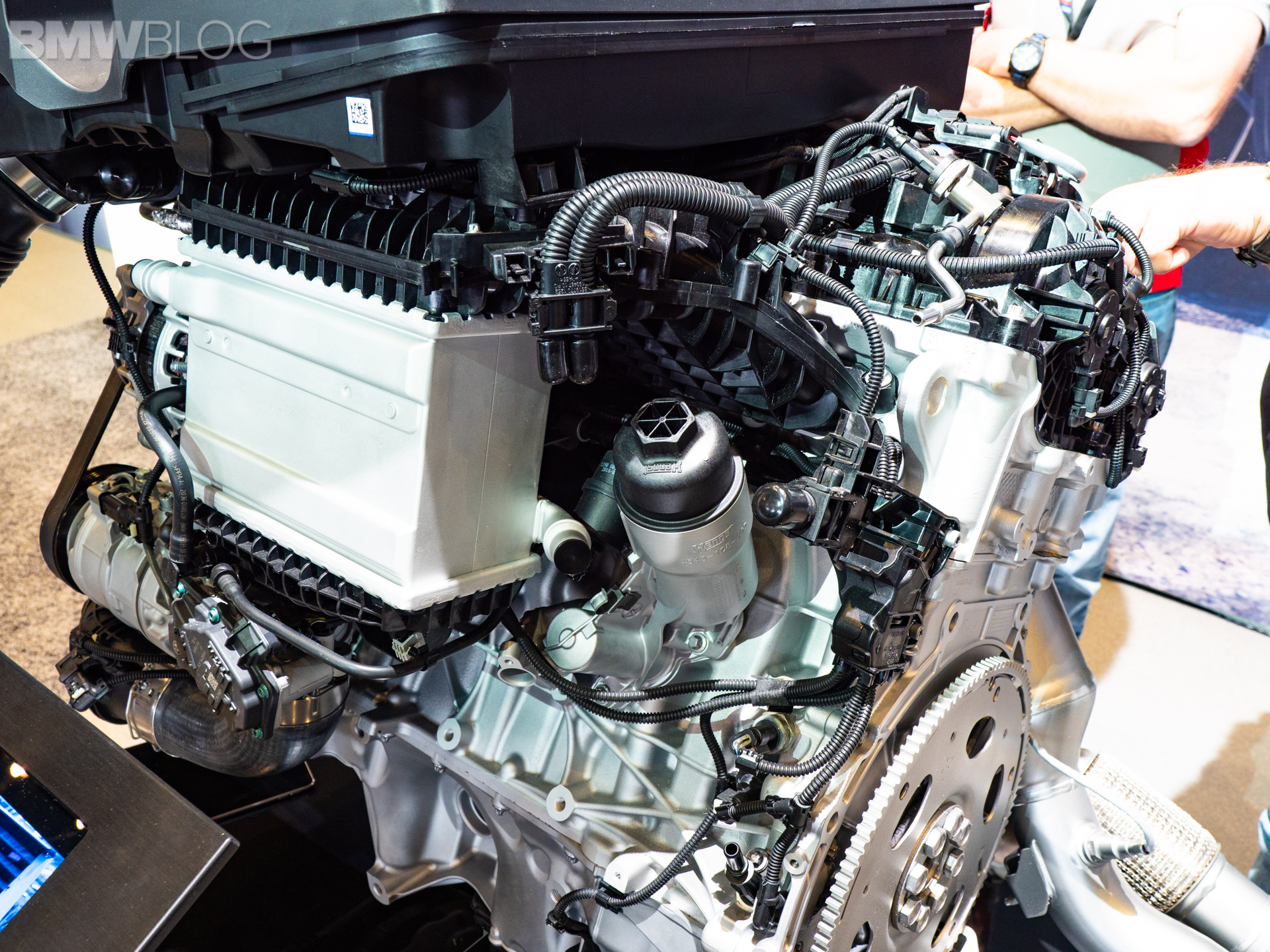
The crankcase was heavily revised. It has additional oil ducts for piston cooling, a different crankcase ventilation system, and structure adapted around the twin-turbo layout. The crankshaft is an optimized lightweight steel-alloy unit designed for higher engine speeds and greater output, rather than simply a carryover B58 part. The connecting rods are the real tell: they are carried over from the S63B44T4, BMW M’s twin-turbo V8. That’s M division reaching into the parts bin of a proven high-output engine rather than trying to stretch the B58’s hardware beyond its brief.
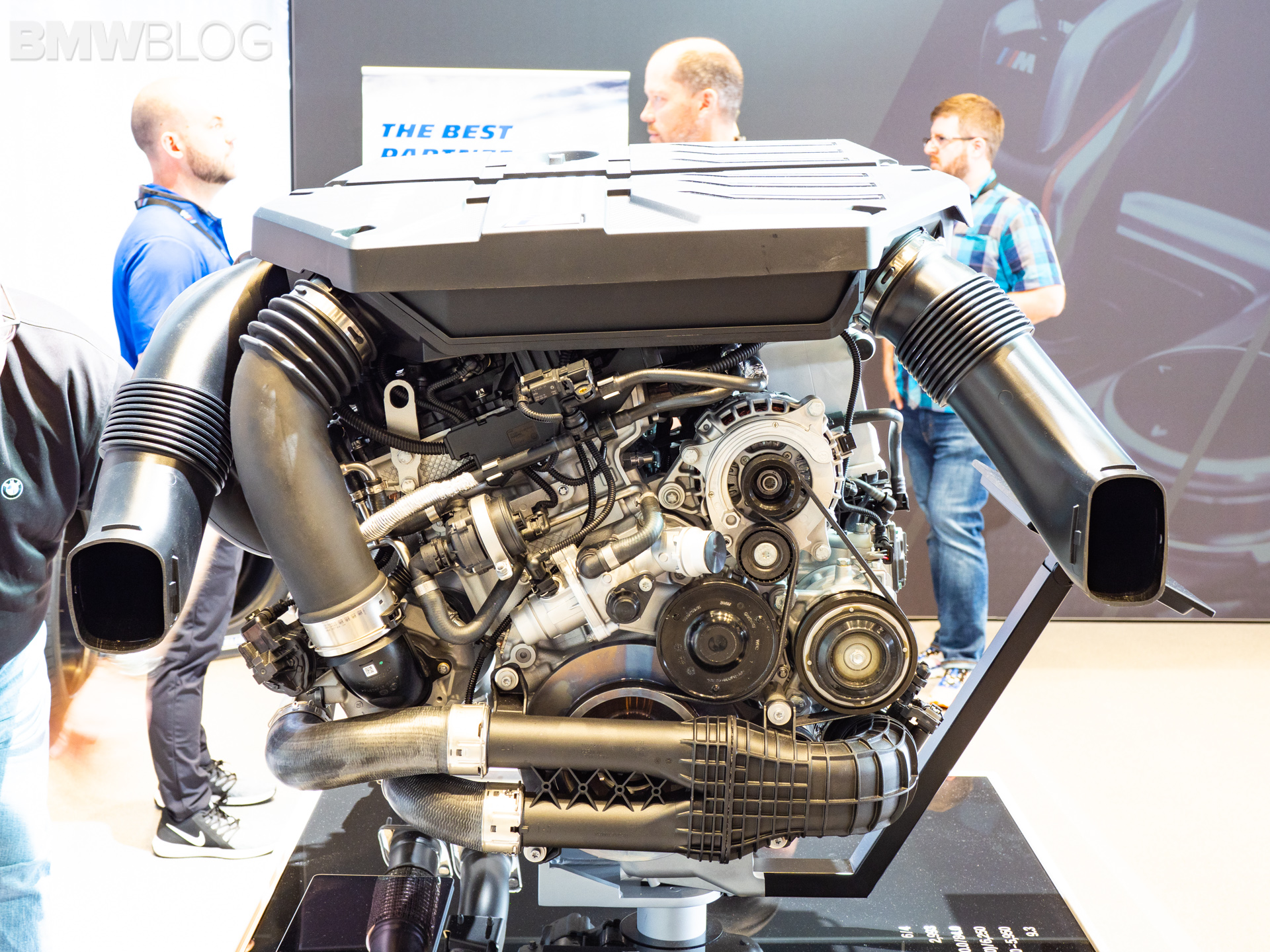
The pistons are where the B58 and S58 most clearly diverge for anyone thinking about serious power. The B58 uses cast aluminum pistons. The S58 uses forged Mahle slipper-skirt pistons with Grafal-coated skirts, while the wrist pins receive a Diamond-Like Carbon coating to reduce friction under high load. That forged piston design, combined with the stronger rods, revised oiling, lower compression ratio, and more serious fuel system, is a big part of why the S58’s tuning ceiling is so much higher.
The cylinder head also received major rework, though not simply because of larger valves. BMW revised the camshaft setup, fuel delivery, high-pressure pump drive, and supporting hardware for the S58’s higher-output, higher-rpm job. The S58 uses 350-bar high-pressure injection and two high-pressure fuel pumps rather than one. Under lighter load, the pumps can alternate operation. Under hard use, both pumps work together to provide the required fuel volume. The exhaust camshaft arrangement is designed to drive both pumps, which makes this more than a recalibrated B58 head.

The head gasket also steps up from three layers to four, because the cylinder pressures the S58 routinely manages are in a different league from the standard B58. Again, this is the pattern throughout the engine: BMW did not just turn up the boost. It reinforced the hardware that has to survive that boost.
The turbocharger arrangement is the most visually obvious change. The B58 uses a single twin-scroll turbocharger, one compact unit with two exhaust paths feeding it. That layout is excellent for response, packaging, and everyday drivability. The S58 uses two separate mono-scroll turbochargers, one serving each group of three cylinders. That arrangement supports higher output and better high-load breathing, but it also brings more complexity. There are simply more components involved, and more parts that can eventually wear.
Better Cooling For Track Driving

The cooling system shows how seriously BMW M takes sustained hard driving. The S58 uses a much more elaborate cooling package than the B58, with dedicated engine cooling, auxiliary cooling, charge-air cooling, engine-oil cooling, and transmission-oil cooling hardware depending on the application. It also uses separate high- and low-temperature circuits, with electric pumps supporting turbocharger and charge-air cooling. The B58TU’s split cooling system was already a meaningful improvement over the original B58. The S58’s setup belongs in another category. It was built on the assumption that someone will drive the car hard for extended periods and expect it to hold temperature.
In the G80 M3 Competition, all of this produces 503 horsepower and 479 lb-ft of torque. In later Competition xDrive applications, BMW has pushed output higher to 523 hp, while the M3 CS and M4 CSL take the same basic engine to 543 horsepower.
Lots of Tuning Potential

For tuning, the S58’s ceiling is genuinely higher than the B58’s. With downpipes, software, and the right supporting hardware, tuners have pushed the S58 far beyond factory output. With upgraded turbos and built-engine work, four-digit numbers are possible, though at that point you’re no longer talking about a casual street build. The forged internals and more aggressive oiling mean the S58 handles sustained hard use in a way the B58 simply can’t match.
The B58 is a great road-car engine you can push. The S58 is an M engine designed to be pushed.
The downsides are real, though. Some owners report oil consumption higher than expected, and the cooling system still needs monitoring under sustained hard driving despite being far more capable than BMW’s older turbo M setups. The S58 is also expensive. The cars that carry it start well north of the equivalent B58 models, and service costs follow. An oil change on an M3 costs more than an oil change on an M340i. Parts are pricier. The whole ownership experience sits in a different tax bracket.
The exhaust note varies quite a bit also from country to country. In Europe, it’s a bit muted due to the sound and emissions regulations. But in the U.S., it does have a satisfying growl. BMW compensates with an active exhaust system and sound augmentation. Most owners accept the trade because the power is worth it.
The Real-World Case for Each

If you drive the car daily, value simplicity, and want to extract the most performance relative to what you spend, the B58 is probably the better engine for you. The M340i with a Stage 1 tune can get surprisingly close to an M3 in straight-line performance, at a fraction of the running cost. The G20 M340i is lighter than a G80 M3, more comfortable, more discreet, and less expensive to buy, insure, maintain, and fuel. With roughly 430 to 450 horsepower from a modest tune, it’s hard to argue against it as the smarter street car.
But that argument starts falling apart at a track day. The S58 is built for sustained hard use in a way the B58 is not. The more serious cooling package, twin high-pressure fuel pumps, forged pistons, DLC-coated wrist pins, stronger rods, and revised oiling are not just spec-sheet decoration. They are engineering decisions BMW made because M customers drive their cars hard and expect them to survive it. The B58 can be tracked, and plenty of people do it, but it requires more attention to heat, oil temperature, coolant temperature, and supporting hardware. The S58 was designed with those conditions in mind from the beginning.
There’s also the emotional case, which deserves to be taken seriously even if it doesn’t appear on a dyno sheet. Driving a G82 M4 Competition at full chat is a different experience from driving an M340i quickly, even if the tuned numbers start to overlap. The S58 is angrier, sharper, more purposeful, and more aware of itself as an M engine. That’s partly irrational. It also matters.
Which One, Then?
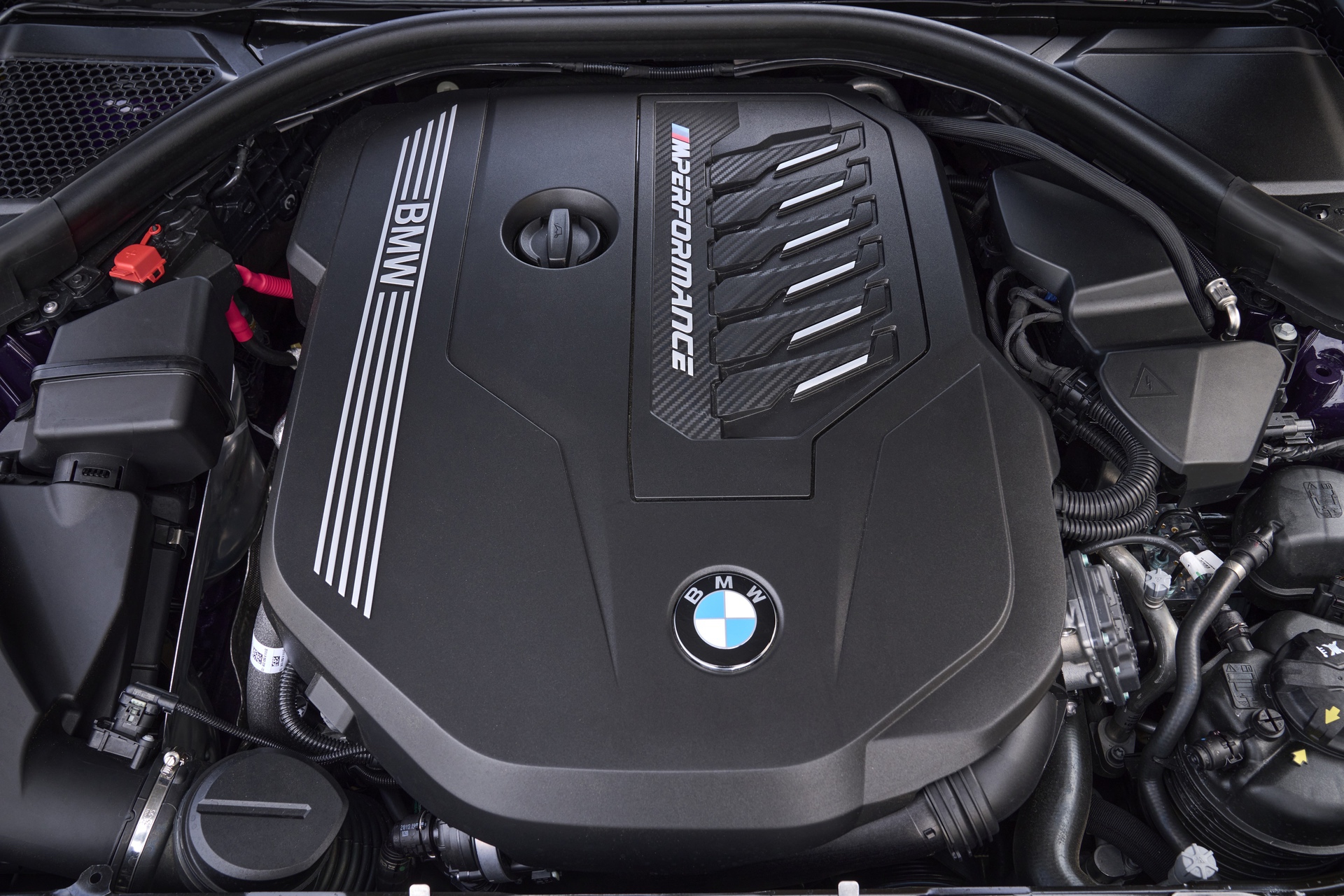
The B58 is probably the smarter engine for most people who are actually considering this choice. It’s reliable in a way BMW engines haven’t always been. The tuning ecosystem is mature and well understood. The cars that carry it — the M340i, M240i, Z4 M40i, 740i, X3 M40i, and others — are excellent, usable, and often underappreciated. You can get within striking distance of M3 straight-line performance without the M3’s insurance, fuel, tire, brake, and maintenance costs.
The S58 is for people who’ve already decided they want an M car and are trying to justify the rest. If you’re cross-shopping a G80 M3 Competition against a G20 M340i, you probably already know what you want. You’re just looking for someone to tell you it’s okay to spend the extra money. It is. The S58 is a special engine in a way the B58, excellent as it is, doesn’t quite reach.
Both engines are going to look important once BMW’s electrification timeline fully catches up with the inline-six. The B58 is already wearing mild-hybrid hardware in its latest form. The S58 will almost certainly be remembered as one of the last great pure combustion M engines: a 3.0-liter straight-six built not just to make power, but to take punishment.
So which one? The B58 if you’re being smart about it. The S58 if you’ve already stopped being smart about it.
First published by https://www.bmwblog.com