BMW hit by more engine starter problems
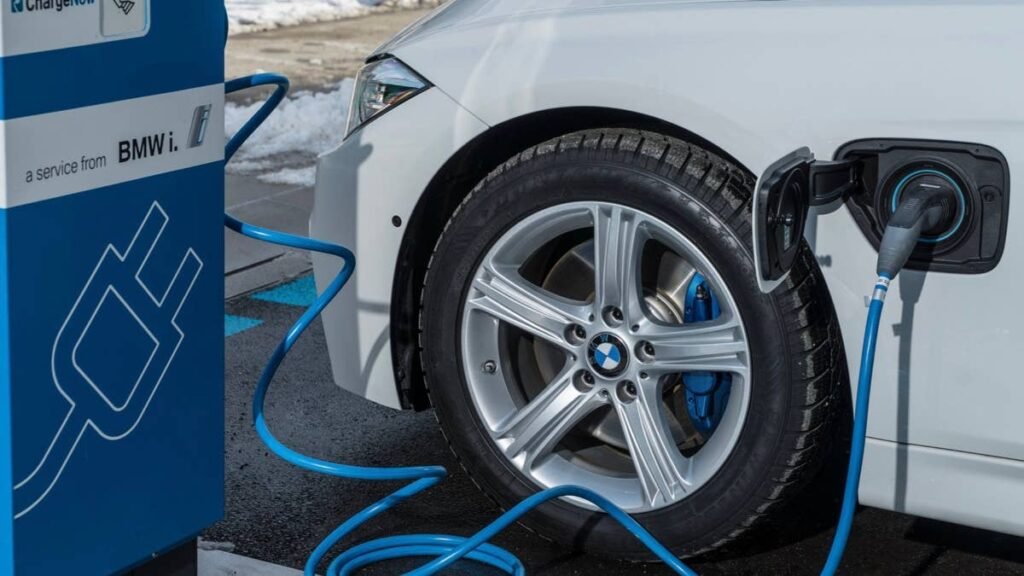
BMW has recalled almost 30,000 plug-in hybrid luxury cars due to a fire risk linked to the engine starter. All models affected are sedans, from the compact 3 Series to the full-size 7 Series. Several field incidents, including one involving a 3 Series earlier this year, ultimately led BMW to issue a voluntary recall. As part of this recall, BMW has advised owners of affected models to park outside until their vehicle can be inspected and repaired. It’s not the first time BMW has run into engine starter issues, either.
Related: BMW Recalls Almost 59,000 Luxury Models Over Fire Risk
BMW PHEV Recall and Fire Hazard Warning
BMW
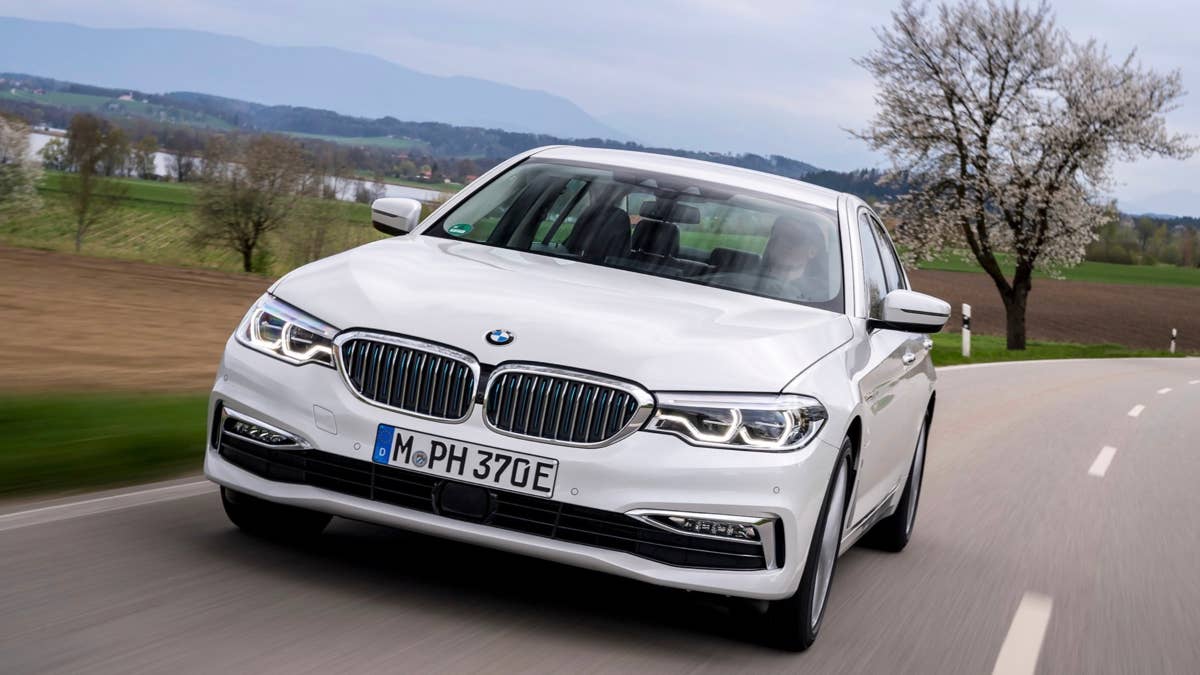
The recall includes 29,119 plug-in hybrid sedans. The following models and model years are affected:
- 2018-2020 BMW 530e xDrive (5,803 units)
- 2018-2020 BMW 530e iPerformance (14,406 units)
- 2017-2019 BMW 740Le xDrive (1,058 units)
- 2016-2018 BMW 330e iPerformance (7,852 units)
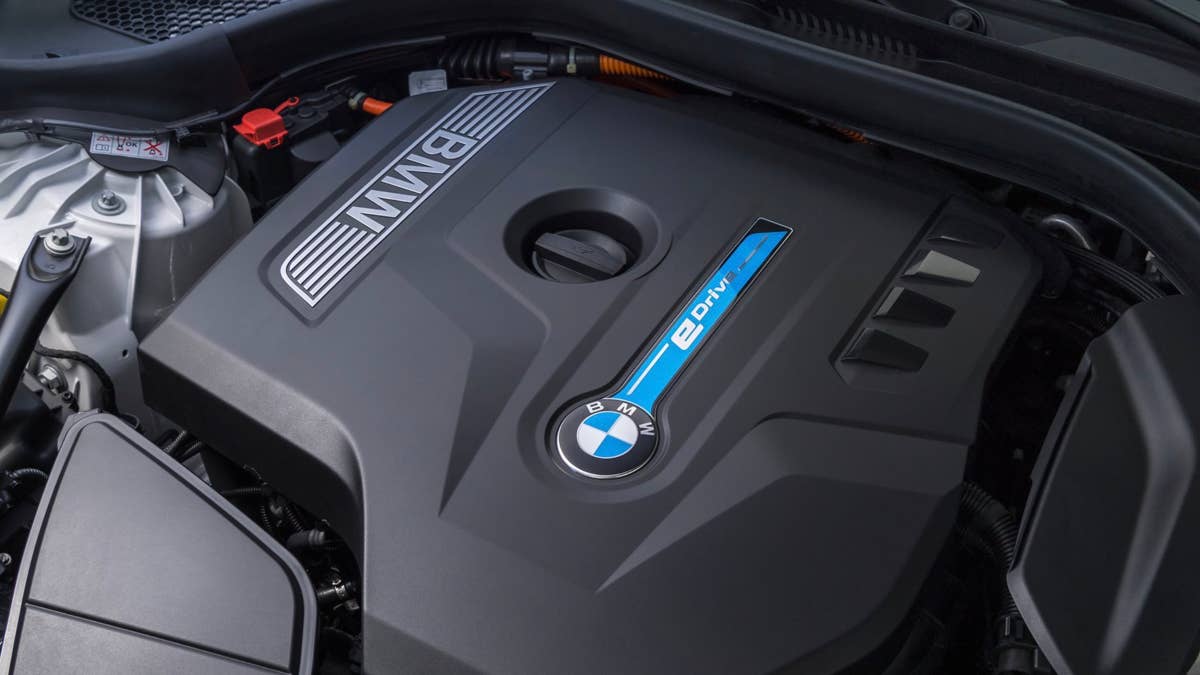
iPerformance models have rear-wheel drive while xDrive variants are all-wheel drive. All these sedans use BMW’s 2.0-liter turbocharged four-cylinder engine as part of their plug-in hybrid systems.
BMW
According to the recall report published by the National Highway Traffic Safety Administration (NHTSA), corrosion inside the starter relay of these sedans could lead to a short-circuit. This could cause the starter to overheat, potentially leading to a possible fire in extreme cases.
“In some cases, water could contact the starter’s electrical relay and, over time, lead to corrosion,” states the recall report. “Corrosion inside the starter relay could affect the electrical connection within the relay and the ability to start the engine.”
BMW will replace affected engine starters with new ones of a different design at no charge to customers.
What Owners Must Do Now
BMW
The most important advisory is for owners of these vehicles to park outside. A vehicle fire could become far more dangerous if it spreads to a building or house. While BMW isn’t aware of any injuries or accidents related to the faulty starter, owners are encouraged to take this advisory seriously.
Owner notification letters are due to be mailed on August 28, 2026. On the same date, the Vehicle Identification Numbers (VINs) of affected models will become searchable on the NHTSA’s website. BMW’s customer service is available at 1-800-525-7417 for more information about this recall.
BMW also says that owners who previously had their vehicles fixed for the same problem at their own expense may be eligible for reimbursement.
New-Generation BMW PHEVs Unaffected, But Engine Starter Issues Run Deeper
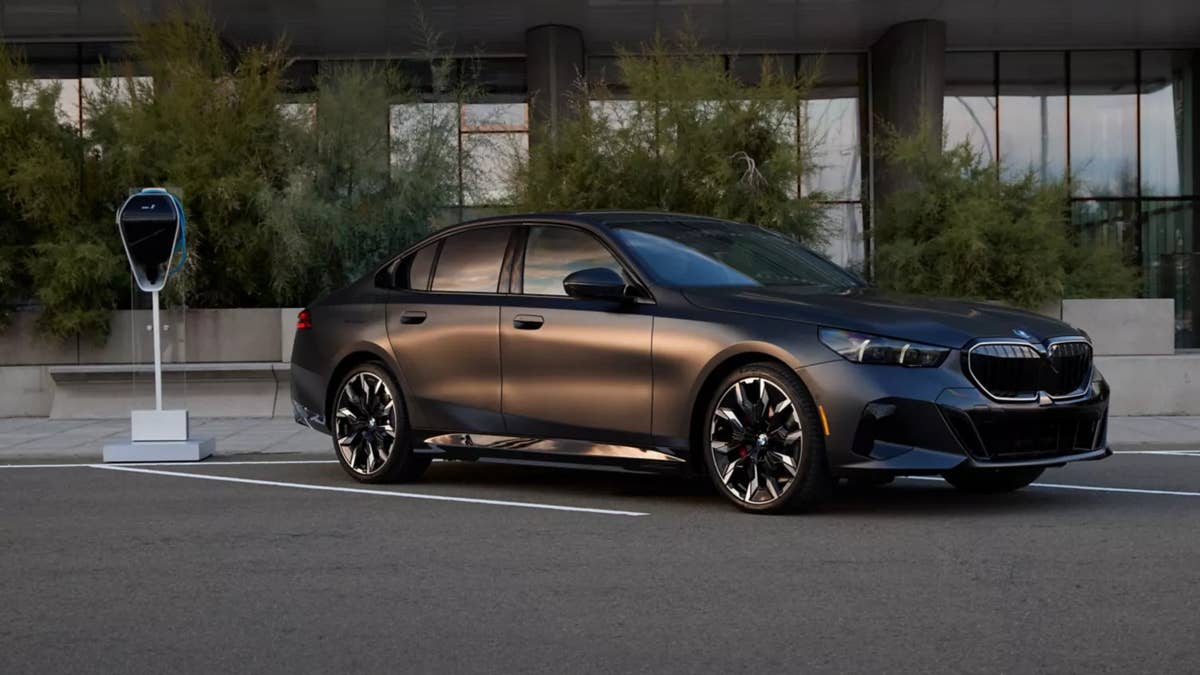
All models impacted by this recall use the older four-cylinder plug-in hybrid system, which had an EPA-rated all-electric range of up to 21 miles in the 5 Series. The automaker’s PHEVs have evolved considerably since then. There’s no longer a 3 Series PHEV, while all other PHEVs use a much more powerful six-cylinder turbocharged engine. The electric range on a full charge has nearly doubled, as the 2026 BMW 550e can now cover 34 miles on electric power alone.
BMW also has a V8 PHEV system, which is used in the high-performance M5 sedan. Here, the electric range is just 29 miles, but this sedan is tuned more for performance than efficiency, boasting a 717-horsepower powertrain.
This is not the first time a batch of BMWs have been recalled for a fire risk linked to the engine starter. Over 87,000 BMWs were recalled for the same issue early in 2026, with the problem traced to wear on an internal component. It’s unknown if this issue is directly linked to the new hybrid recall.
BMW is one of the only German brands that’s managed to significantly improve its reliability ratings in recent years, so it will look to act quickly and maintain that reputation.
Related: BMW vs Audi Reliability: The Winner Isn’t Even Close