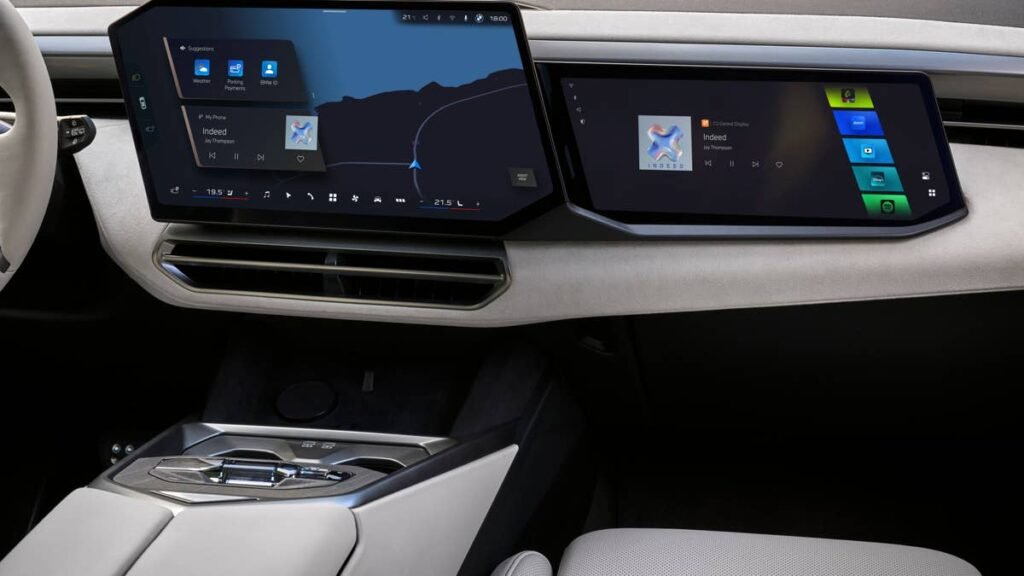
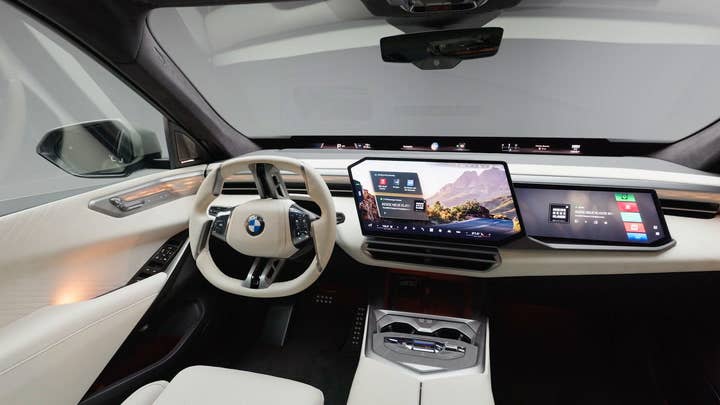
Take a look inside any of the latest BMW models like the iX3, i3, and X5, and you’ll be hard-pressed to find much physical switchgear. It’s a virus that’s infecting plenty of automakers, but why? Well, according to BMW, whose Australian CEO, Vikram Pawah, spoke with CarExpert, the change is being spurred on by societal change, particularly among younger buyers.
“We can see that voice and touch are becoming more and more common,” he said. “Maybe it’s a generational thing as well. You would see that a lot of the younger generation, maybe 45 or below, they’re tapped into these technologies at a faster pace, using voice, using touch. They want things done quickly, and they’re multitasking. And we have to keep that in mind. That’s how customers are evolving. They are multitasking.”
Is BMW’s Reasoning Sensible?
BMW
There’s no doubt that contemporary technologies are more easily understood and embraced by younger generations, and in the case of interior switchgear, BMW and the rest of the industry have clearly been influenced by Tesla. Tesla interiors are minimalist and look futuristically clean, but they’re also cheap, and that’s one of the biggest reasons why this trend of putting all interior controls on a big touchscreen has caught on; it’s far cheaper to design model-specific graphics for a shared touchscreen than to design, test, and manufacture specific buttons for each function and each vehicle.
However, there are also countless studies showing that touchscreens are far more distracting and thus more dangerous to operate while on the move. BMW counters by saying that “people always feel uncomfortable with radical change,” according to BMW Group Australia communications head Leanne Blanckenberg. The brand also highlights that its new voice-operated AI assistant is far smarter and more responsive to conversational dialog than ever before, and such systems will only get better with time and over-the-air updates. Fair points, but make no mistake: cost-cutting is the biggest reason.
Autoblog’s Take
Related: Automakers Keep Adding Screens, But Buyers Want Something Else
Touchscreens have their benefits, and among them is the option of cramming more functions and features into a single space without the clutter of individual buttons that only do one thing. They also provide opportunities for customization and can entertain occupants with films and games when parked. However, they age quickly, look terrible when the screen is off and finger smudges appear, and can be distracting. I also find that they make each car feel less interesting, as layouts and designs tend to look and feel very similar across a variety of brands. And using a physical switch, button, or knob feels far more engaging. But trends come and go, and although younger buyers may appreciate the tech, wealthy buyers who can afford cars like the Bugatti Tourbillon, Spyker C8 CCV Preliator, or Koenigsegg CCGT1 prefer intricacy and individuality through detailed physical interfaces. Perhaps someday in the not-too-distant future, their tastes will influence more accessible machinery, bringing physical controls and some analog readouts back to everyday cars. We can dream.