One luxury crossover is easily winning the sales race
Compact luxury crossovers account for a large portion of luxury-car sales in the United States. Commonly priced from around $50,000, these vehicles aren’t as expensive as larger luxury cars but still offer the prestige, refinement, and performance buyers expect. The Audi Q5 and BMW X3 are two major players in this category and have been rivals for almost two decades, ever since Audi entered the segment with the original Q5. In 2026, the BMW is crushing the Audi in U.S. sales. Here’s a look at the numbers and some of the reasons why the Audi may be lagging behind its rival.
BMW X3 Vs. Audi Q5: 2026 Sales Race
2026 BMW X3 30 xDrive in Arctic Race Blue BMW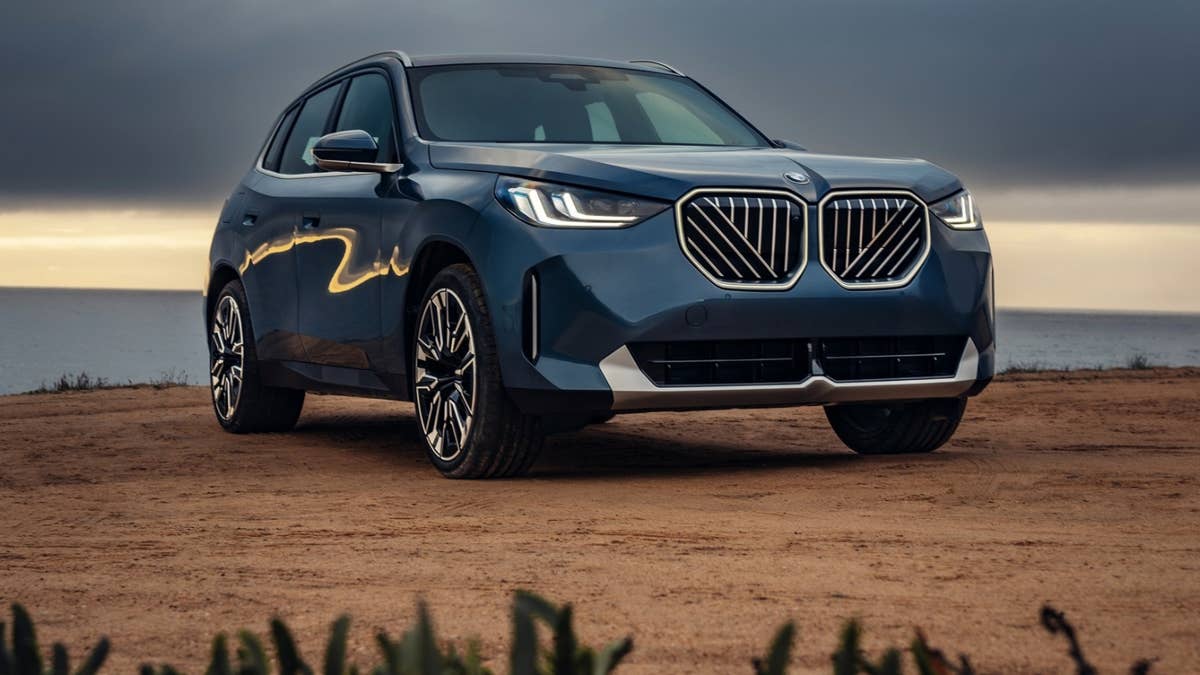
BMW and Audi only report their sales on a quarterly basis, so we’ll be comparing these SUVs based on the number of models sold in the first half of 2026. Here’s a look at how each one has fared.
|
2026 H1 Sales |
2025 H1 Sales |
% Change |
|
|
Audi Q5 |
22,138 |
22,914 |
-3% |
|
BMW X3 |
37,671 |
29,029 |
+29.8% |
Compared to last year, the gap between the two SUVs has widened considerably. BMW is now ahead by 15,533 units. At the same point in 2025, the Q5 was behind by 6,115 units. While Q5 sales have been fairly flat this year, the X3’s volumes have increased by nearly 30%.
This is a complete turnaround from 2017 and 2018, when the Q5 outsold the X3 in the United States by roughly 8,600 and 16,900 units, respectively.
Both SUVs welcomed a new generation for the 2025 model year, so the BMW’s advantage doesn’t have anything to do with it being newer.
Related: BMW X3 Vs. Audi Q5: Which One Wins?
Why The X3 Wins
2026 BMW X3 BMW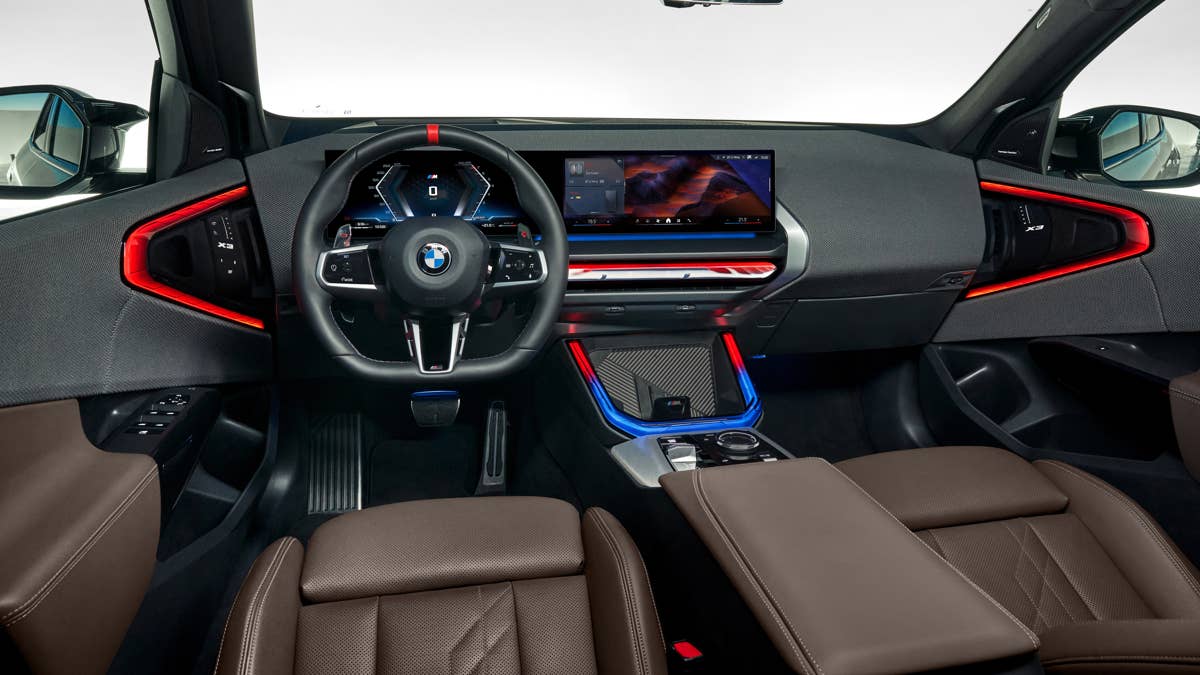
The BMW has a few clear advantages over the Audi. For starters, it’s a bit cheaper, with the base X3 30 xDrive starting at $51,300 to the Q5 Premium’s $52,800. BMW benefits from local production of the X3, which allows it to better control costs than Audi, which imports the Q5. BMW’s broader U.S. dealer network also promotes higher sales volumes for the X3.
Sporty handling and strong performance continue to be particular X3 strengths. The base four-cylinder Q5 is actually quicker than the equivalent X3, but the BMW is more engaging to drive quickly. In X3 M50 form, the six-cylinder BMW marginally outpaces the V6-powered SQ5 to 60 mph. But it’s not only in performance where the BMW leads. It’s also more practical, with a trunk that’s easily larger than the Audi’s. Economy also favors the BMW: It gets up to 29 mpg combined, which is 4 mpg better than the Audi.
The Q5 is far from outclassed, though. Its interior technology and quality are a notch above the BMW’s, and it’s the more refined cruiser of the two. In SQ5 form, it delivers especially muscular performance, yet remains a fantastic daily driver.
Related: I Drove the All-New 2025 Audi Q5 & SQ5 in Colorado. Here’s My Brutally Honest Review
Final Thoughts
2026 Audi Q5 Premium Plus in District Green Audi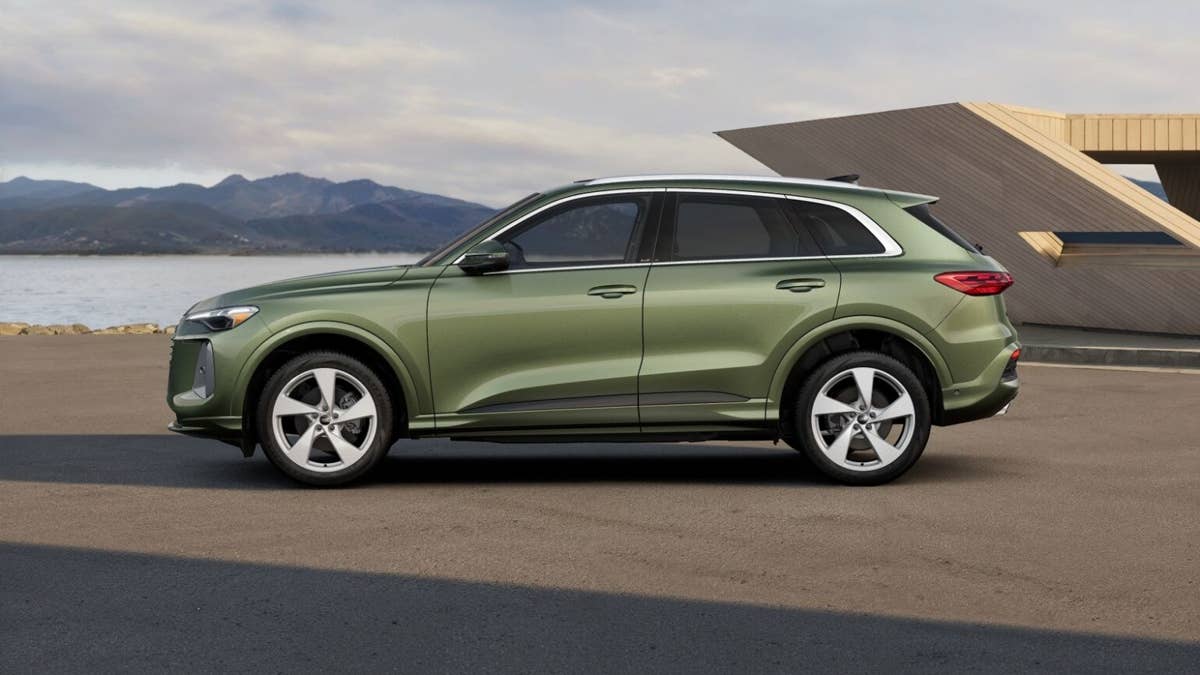
In the end, the BMW X3’s sporty appeal and spread of attributes have seen it win over far more buyers than the latest Audi Q5. It mirrors other segments, too: Where both brands compete, BMW outsells Audi in nearly every segment.
Audi has experienced tumbling sales over the last year or two in this region, particularly for its EV range. With the Volkswagen Group planning to cut its range of vehicles by up to 50% over the next four years, we may soon see a dramatically streamlined range of Audis in America. The Q5 will likely stick around as, despite losing out to the BMW, it’s still Audi’s most popular model in this region.
Related: BMW vs Audi Reliability: The Winner Isn’t Even Close