The BMW X5 and Mercedes-Benz GLE-Class have long been two of the best luxury SUVs you can buy. In the U.S., they’ve consistently been best-sellers for the brands as they sit at a size and price point many American buyers find appealing. Often used as family vehicles, safety is a top priority when shopping for a X5 or GLE, but which one is safest? We’ve compared them based on the latest ratings from the Insurance Institute for Highway Safety (IIHS). While both 2026 models can be considered safe, only one of them qualified for the safety authority’s top award.
Related: 2026 BMW X5 Vs. 2026 Mercedes-Benz GLE-Class: 3 Key Differences
Crashworthiness: Both SUVs Excel
In the crashworthiness category, the IIHS runs three major tests: small overlap front, moderate overlap front, and side. The small overlap front involves a collision with the front corner of the vehicle, while the moderate overlap front is an offset crash between two vehicles. In each category, a vehicle is rated as Good, Acceptable, Marginal, or Poor. Here’s how the two German rivals matched up.
|
BMW X5 |
Mercedes-Benz GLE-Class |
|
|
Small Overlap Front |
Good |
Good |
|
Moderate Overlap Front |
Good |
Good |
|
Side |
Good |
Good |
There’s not much to analyze here as both SUVs achieved Good ratings in all three crashworthiness tests, indicating their structures held up brilliantly. Digging deeper into their scores, the only minor blemish for the BMW was an Acceptable result for the rear passenger restraints and dummy kinetics. The GLE received an Acceptable score for rear passengers in one category, involving a slightly increased risk for head/neck injuries.
However, only the X5 attained a Top Safety Pick+ award for 2026; the GLE received this award for 2025 but not 2026, which has to do with its crash-prevention systems. We’ll unpack this in the next section.
Crash Prevention: BMW Shines, Mercedes Could Do Better
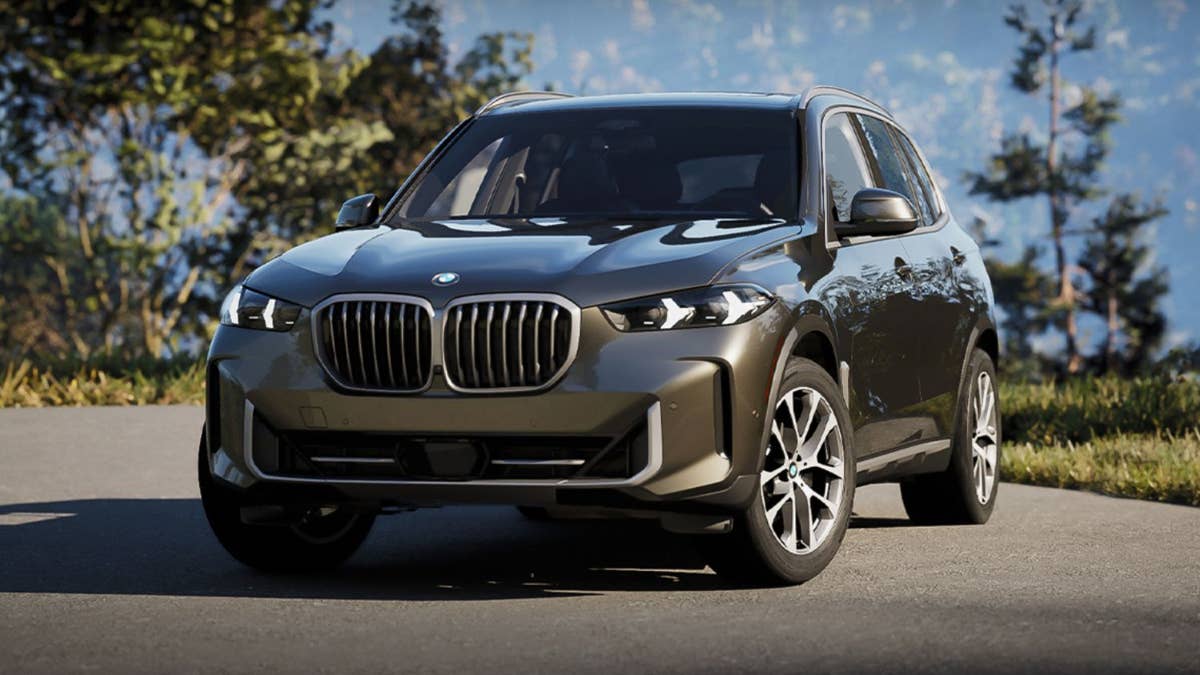
BMW
In this category, the IIHS evaluates the headlight effectiveness, crash prevention between two vehicles, and crash prevention between a vehicle and a pedestrian. Here’s how the two SUVs compared.
|
BMW X5 |
Mercedes-Benz GLE-Class |
|
|
Headlights |
Acceptable |
Good |
|
Front crash prevention (vehicle-to-vehicle) |
Good |
Acceptable |
|
Front crash prevention (pedestrian) |
Good |
Marginal (standard system); Acceptable (optional system) |
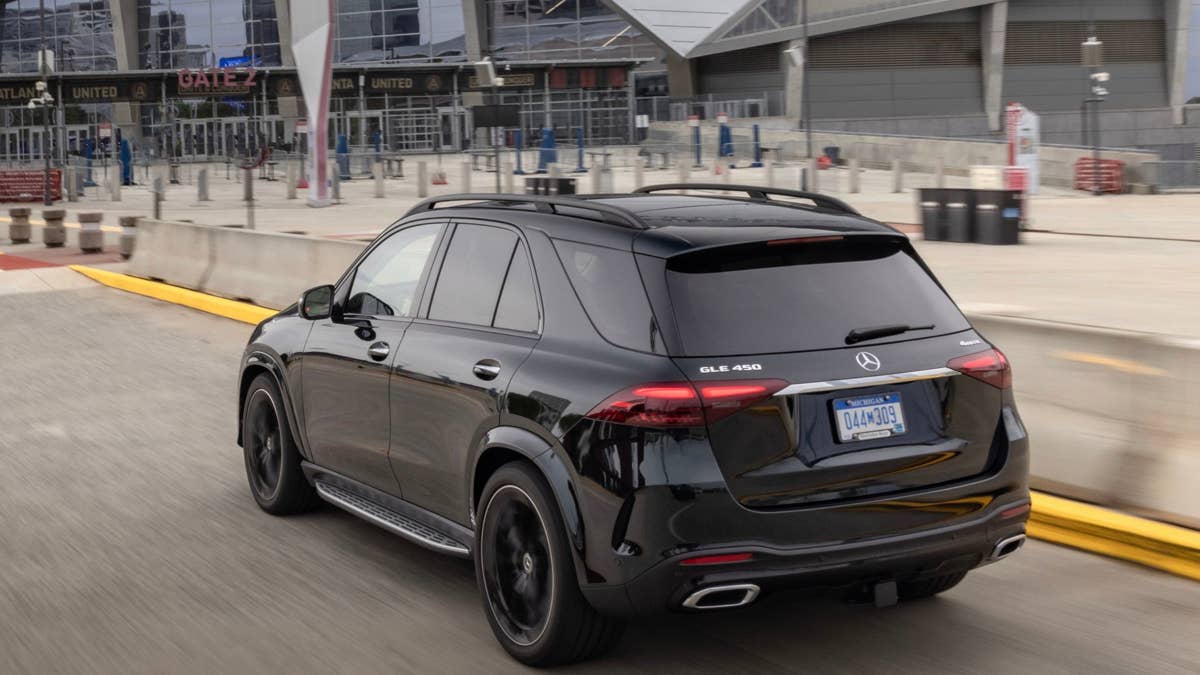
While the GLE’s headlights were rated as better, the X5’s standard crash-prevention systems outperformed the Merc’s standard and optional systems. The Mercedes only received a Marginal rating for pedestrian crash prevention, failing to avoid a collision with a child crossing in front of it at 25 mph; the BMW was able to avoid a collision in the same test. In the night tests where the vehicles had to stop for a child or adult, the BMW avoided a collision more often.
Mercedes-Benz
To qualify for a Top Safety Pick+ award in 2026, a vehicle needs at least a Good rating for the front pedestrian crash prevention system. The GLE missed this mark, which is why only the X5 qualifies for the award.
Final Verdict: BMW Is Safer For Now
BMW
If you happen to be involved in a crash, the BMW X5 and Mercedes GLE are equally capable of protecting occupants and helping to avoid serious injuries. But, if you want to avoid getting into a crash in the first place, the X5 is clearly out in front. Overall, the BMW is the winner.
These ratings could change quickly in the months ahead. Mercedes has just unveiled a heavily revised GLE-Class for 2027, which may perform better than the 2026 model. BMW is also close to unveiling an all-new X5, which will likely improve on the current model’s already impressive safety scores.
Related: Ford F-150 Vs. Chevy Silverado 1500 Vs. Ram 1500: Which Pickup Is The Safest?