Strong Start
At the start of the decade, BMW appeared conservative in its EV efforts. While there was the polarizing iX, most of its battery-powered models were from combustion-powered platforms that were adapted into EVs. It’s a safe and cost-effective solution, if a little compromised.
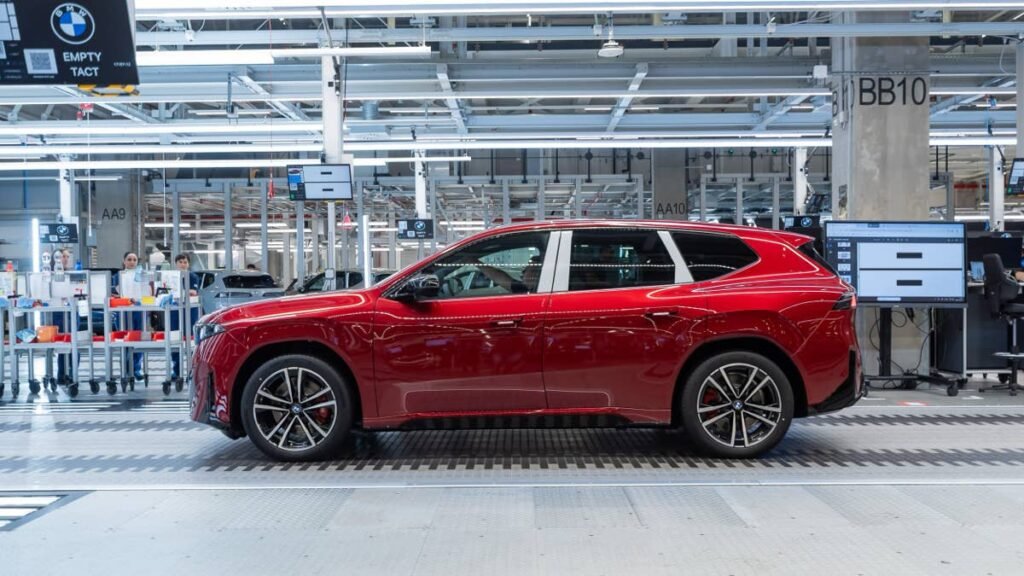
But then, the company showed the new-generation iX3, marking the first of many Neue Klasse electric models that BMW will roll out. That was then followed up by the i3 and iX4, using the same dedicated EV platform, and we can soon expect other models such as the i1 and iX1. Those models are on top of the multi-powertrain architectures used in the 5 Series/i5, 7 Series/i7, X5/iX5, and the upcoming second-generation X7/iX7.
So far, the Neue Klasse platform cars are proving to be a success. The iX3 in particular has been a hit, while the i3 has many customers waiting in the wings to a point where BMW had to open reservation books early. Given that, BMW might just get a return on its investment quicker than it thinks, especially as more applications of the EV platform will spread out costs further.
Shifting Timetables
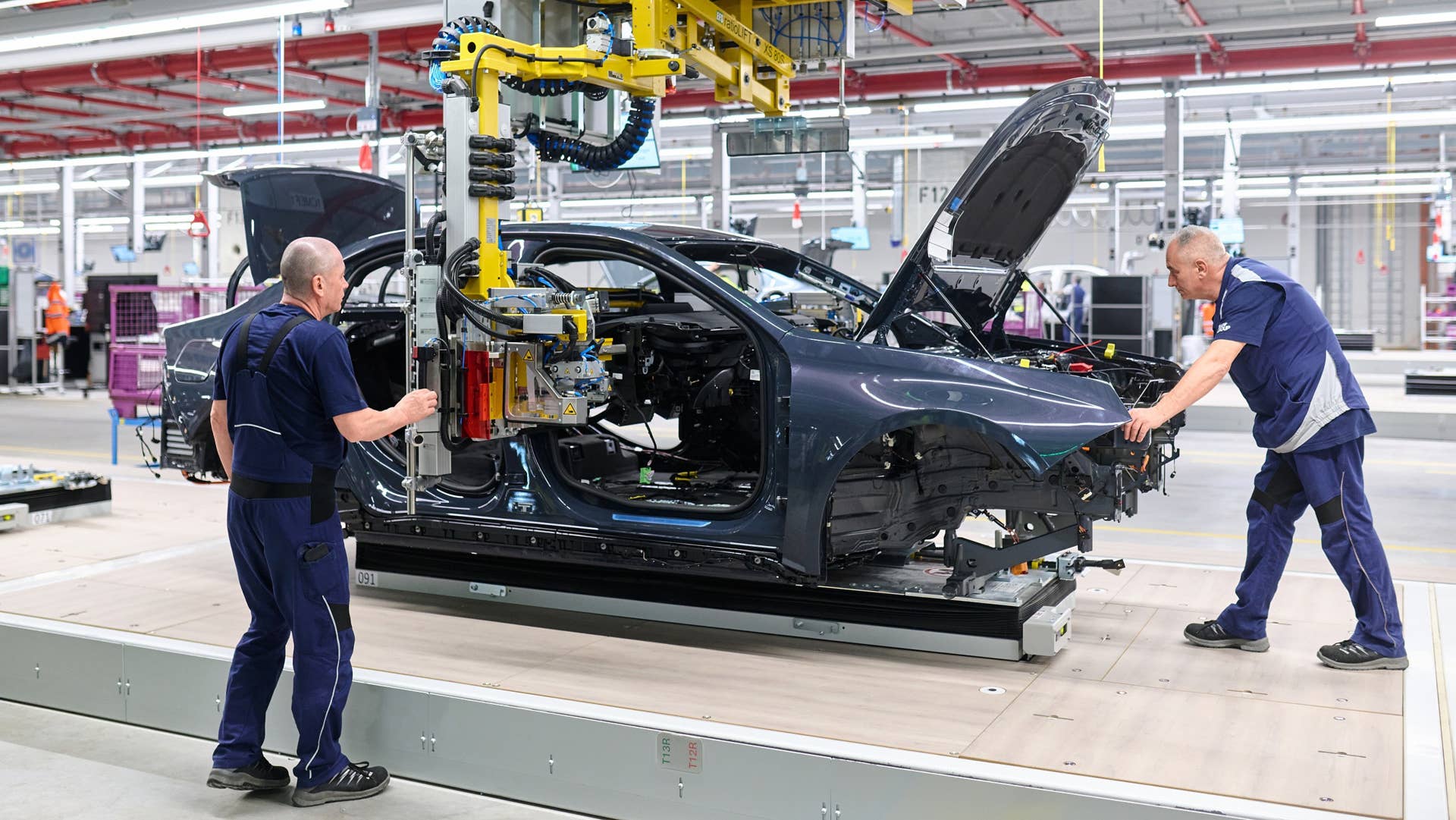
Given the demand, BMW is facing a ‘problem’ that other automakers envy: it couldn’t build its EVs fast enough. Not wanting to give opportunity costs away to the competition, Munich is accelerating its timetables yet again. With that, the company is ramping up production of its electric Neue Klasse models and plotting earlier releases for cars that utilize the platform. Good for BMW, but not the kind of news Audi and Mercedes would like to hear.
Speaking to Automotive News, BMW chief of production Raymond Wittmann said, “We are not only meeting our targets but, in some cases, exceeding them. That is why we have decided to accelerate the production ramp-up at certain locations beyond our original plans.” So far, the iX3 has seen over 100,000 orders across Europe, with many more pouring in at the time of writing.
BMW’s streamlining of EV production came in at the right time. More recently, it realigned its battery supply chain management, adapting a ‘local for local’ principle that cuts down on production times and, more importantly, costs. It also increases supply security, allowing BMW to be prepared to build cars quickly even as demand spikes.
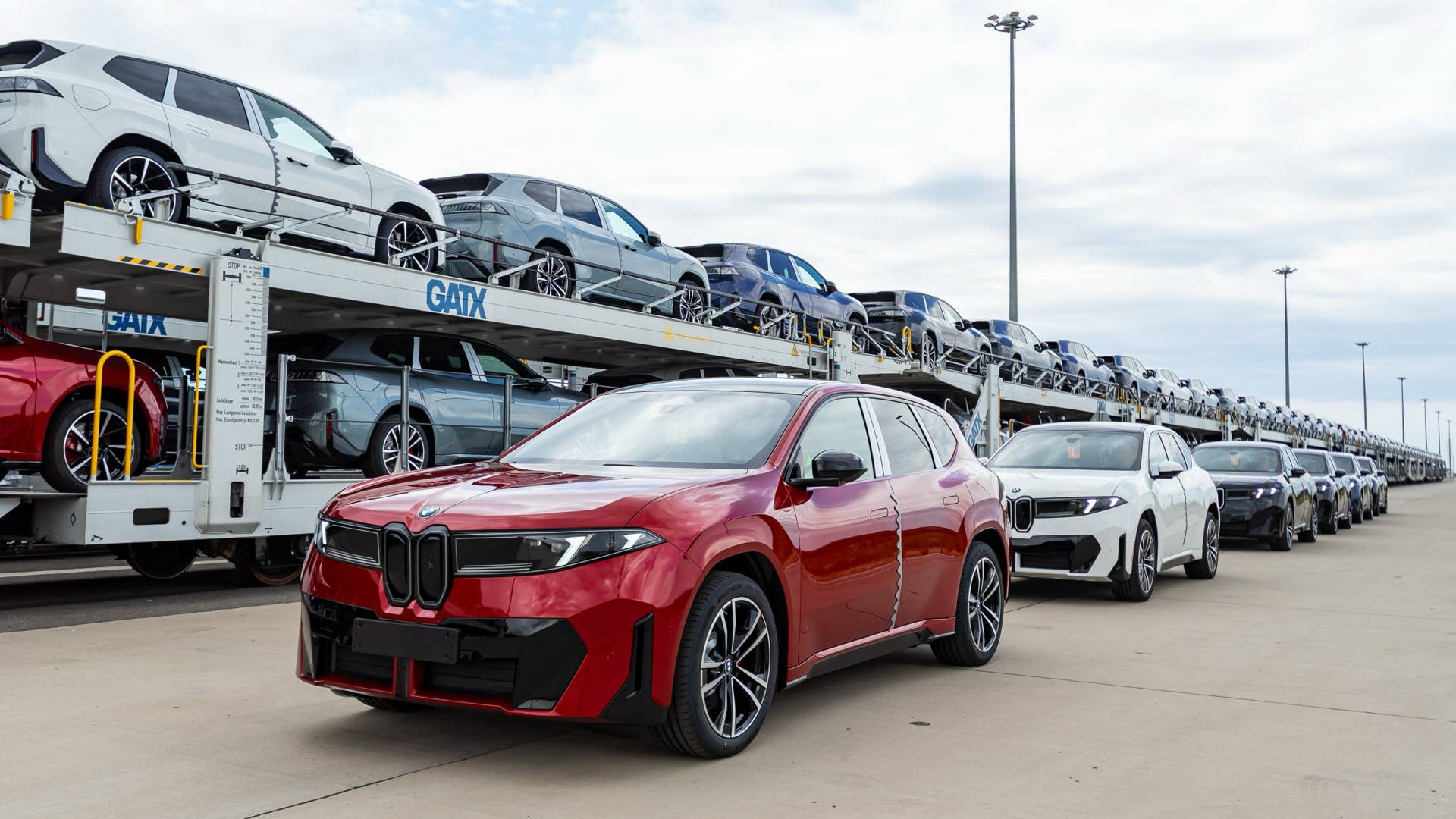
BMW Group
Gen5 to Gen6 in No Time
Demand has been so great that BMW can afford to phase out its Gen5 battery-powered cars earlier than initially planned. BMWBlog reported CEO Milan Nedeljković saying, “We have significantly increased the ramp-up of the Gen6 models this year. This will allow us to phase out some Gen5 BEVs sooner than planned.”
It also lets the brand usher in more Gen6 models, build more, and let economies of scale do the rest. Pushing out the last of Gen5 stock early means BMW can roll out new EV models ahead of schedule as demand for the brand’s electric vehicles continues to rise. Couple that with the company’s AI development and manufacturing push, and the brand can seamlessly introduce new models with fewer hiccups.
Of course, this doesn’t mean BMW is going all-in on EVs. The brand is aware that not all markets are keen or open to pure electric vehicles. It’s why it’s still hard at work refining its plug-in hybrid powertrains, along with continuously making incremental improvements to its combustion engines. At the moment, the company’s strategy is working well and helps it maintain its lead in the luxury sector.
BMW