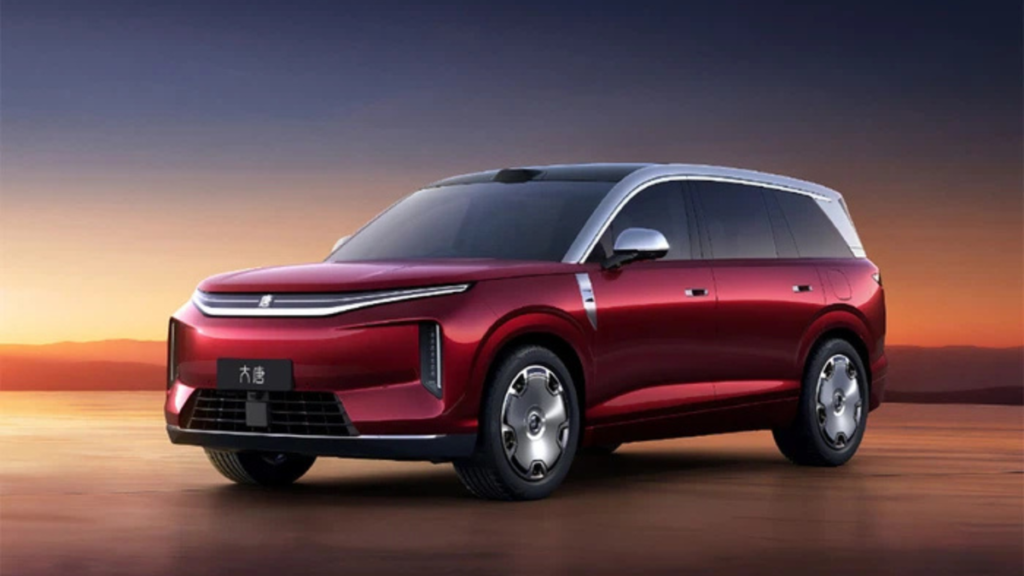
The global automotive landscape has officially shifted on its axis. According to recent data from the China Passenger Car Association, three Chinese manufacturers have successfully bullied their way into the world’s top ten automakers by market share in the first half of 2026. This is not just a brief, temporary surge. It represents a decade of relentless expansion and targeted global strategy finally bearing fruit on the biggest stage.
For context, legacy brands still sit on the throne. Toyota remains the undisputed king with an 11% slice of the global market, followed by Volkswagen at 8.1% and Hyundai-Kia securing 7.6%. However, the ground beneath these legacy automakers is trembling. Ten years ago, Chinese brands barely registered on international radars. Now, they are standing shoulder-to-shoulder with giants and rewriting the rules of global automotive dominance.
Geely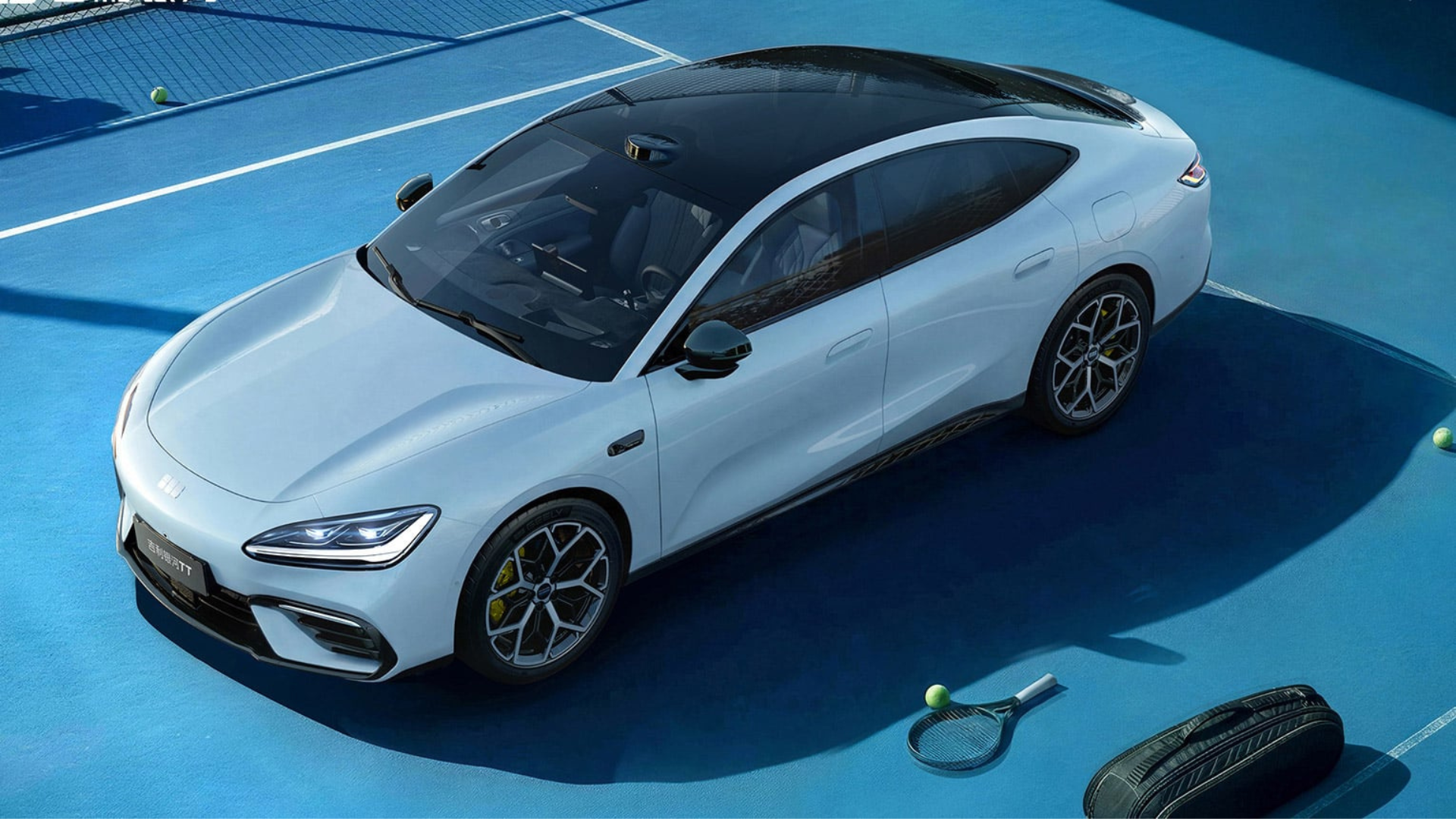
By The Numbers
Leading the Chinese vanguard is BYD, which secured sixth place globally. In a decade, its global market share skyrocketed from a mere 0.6% in 2016 to an impressive 4.8% today. Even though they achieved a slightly higher 5.4% last year, 2026 has brought severe domestic struggles. Chinese deliveries for the brand plunged 45.9% year-over-year to 795,169 units. Yet, their massive export push compensated enough to see BYD overtake Ford in overall global volume for the first time.
Following closely behind in seventh place is Geely Holding Group, grasping 4.6% of the global pie. This marks a monumental leap from the 1.5% they held in 2016. Geely’s strength lies in its diverse and strategic portfolio. Because it controls established brands like Volvo, Polestar, and Lotus, it effectively maintains a strong Western foothold that allows it to bypass some of the regulatory skepticism facing other Chinese entities.
Chery rounded out the invasion by taking ninth place, matching Ford with a 4.1% market share. Jumping from just 0.8% ten years ago, the company has transformed itself into a formidable export powerhouse. Other domestic brands are also climbing the ranks, with SAIC grabbing eleventh place at 3.7%, while Changan, GWM, BAIC, and Dongfeng slowly inch higher in the top 30 list.
Chery JLR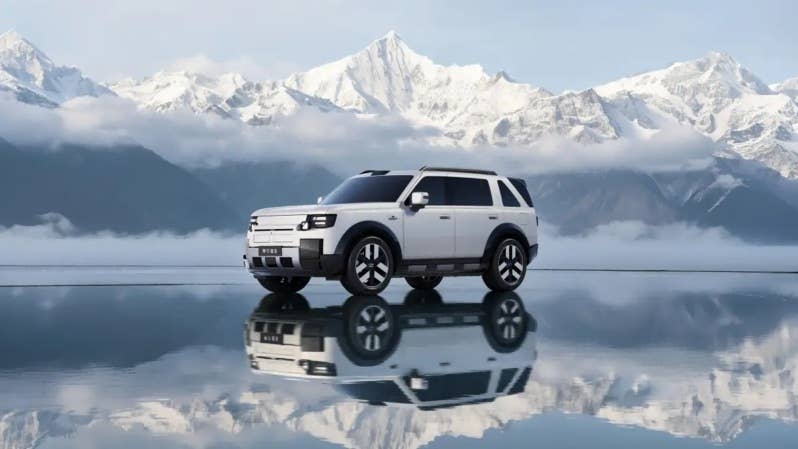
The Waves are Getting Higher
This milestone is a glaring wake-up call for Detroit, Stuttgart, and Tokyo. The old guard can no longer rely on brand heritage to fend off the aggressive pricing and rapid technological iteration coming from the East. Even top executives are feeling the heat. Ford CEO Jim Farley’s hesitation regarding Chinese vehicles entering the U.S. market underscores the genuine panic currently echoing through legacy boardrooms.
However, building legislative moats and tariffs will only work for so long. Ford Chairman Bill Ford, being more realistic, recently said that blocking these vehicles indefinitely is simply impossible. Consumers ultimately vote with their wallets, and right now, Chinese automakers are offering compelling technology at unbeatable price points. The global market share data from H1 2026 proves that the transition isn’t just coming—it has already arrived.
Jacob Oliva/Autoblog