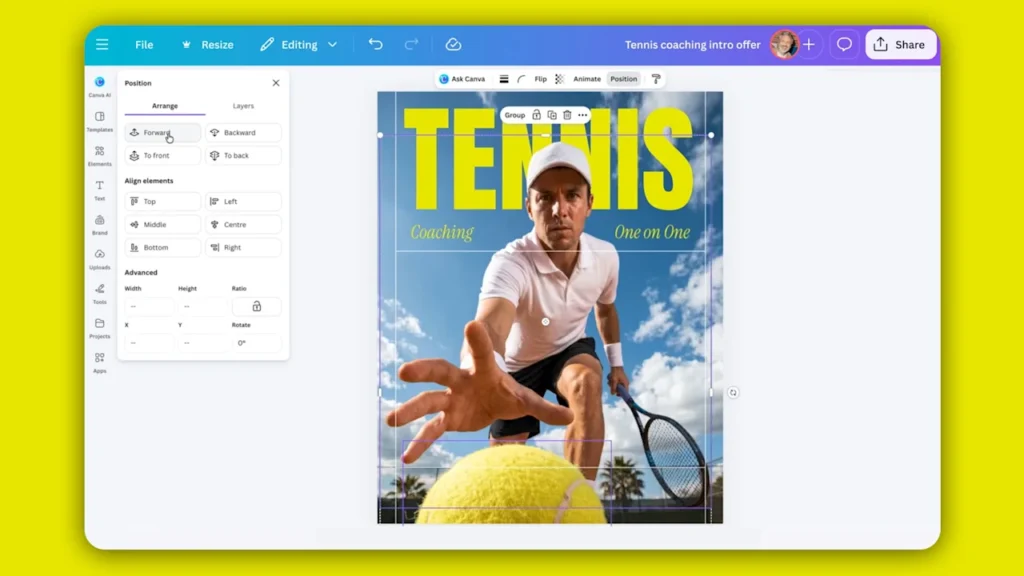
Canva just pulled off a clean sweep in the AI design world that’s about to make AI-generated branding a lot more common.
On May 19, the company announced that it’s partnering with Google Gemini to bring its Canva Design platform directly to Gemini users. Once Gemini users enable Canva in their app settings, they’ll be able to search their Canva content from within the chatbot, generate designs based on the context of their chat history, and easily take designs into Canva to edit them. The move means that Canva has successfully integrated its design tools with every major AI player in the game: Claude, ChatGPT, Copilot, and, now, Gemini.
Canva’s aggressive integration strategy with AI giants is making AI design tools accessible to almost anyone—and netting a major payoff in reach for the brand.
Inside Canva’s frontier model clean sweep
As major AI models become more and more integral to the daily workflows of individuals and companies, Canva’s integrations with those models allow the brand to reach customers where they’re already working.
Whereas before users might have needed to seek out a separate AI-centric platform, like Figma, Adobe Firefly, or Canva’s own platform to create AI-generated assets, now they can complete those tasks from whichever frontier model they already use.
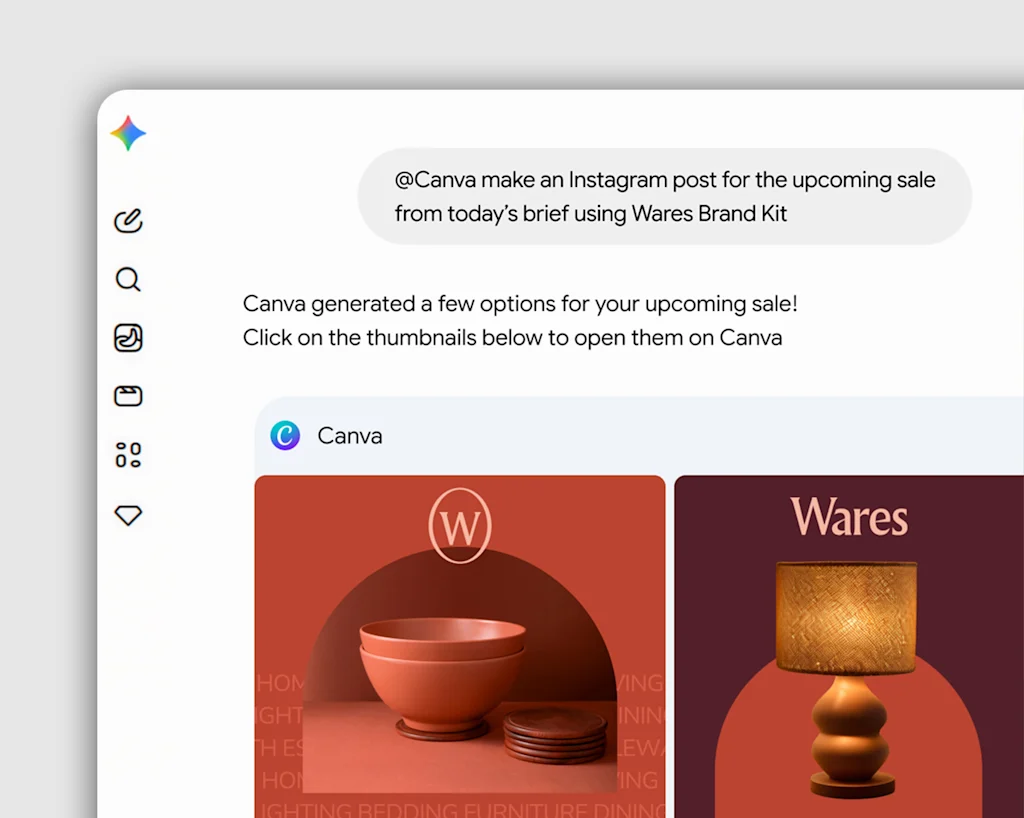
For brands, the tie-in has the added advantage of Canva’s proprietary Brand Kit function, which sets guidelines around AI-generated assets to ensure they meet existing brand standards.
“The biggest friction in AI-powered creative work for companies has always been the gap between AI output and brand-ready asset,” says Anwar Haneef, Canva’s general manager and head of ecosystem. “Teams get a draft or an image, and then spend time manually applying the right fonts, color palette, and visual standards before it’s usable. Bringing the Canva Design Engine and Canva Brand Kits into AI tools removes that step. Every design generated inside Gemini already can reflect the organization’s visual guidelines from the first prompt, no tedious corrections needed.”
Typically, Haneef says, Canva sees its users generate initial designs from within partner apps before refining and publishing from within Canva’s own platform. “This isn’t about replacing Canva as the destination; it’s about making Canva the creative engine of AI-powered work,” he explains.
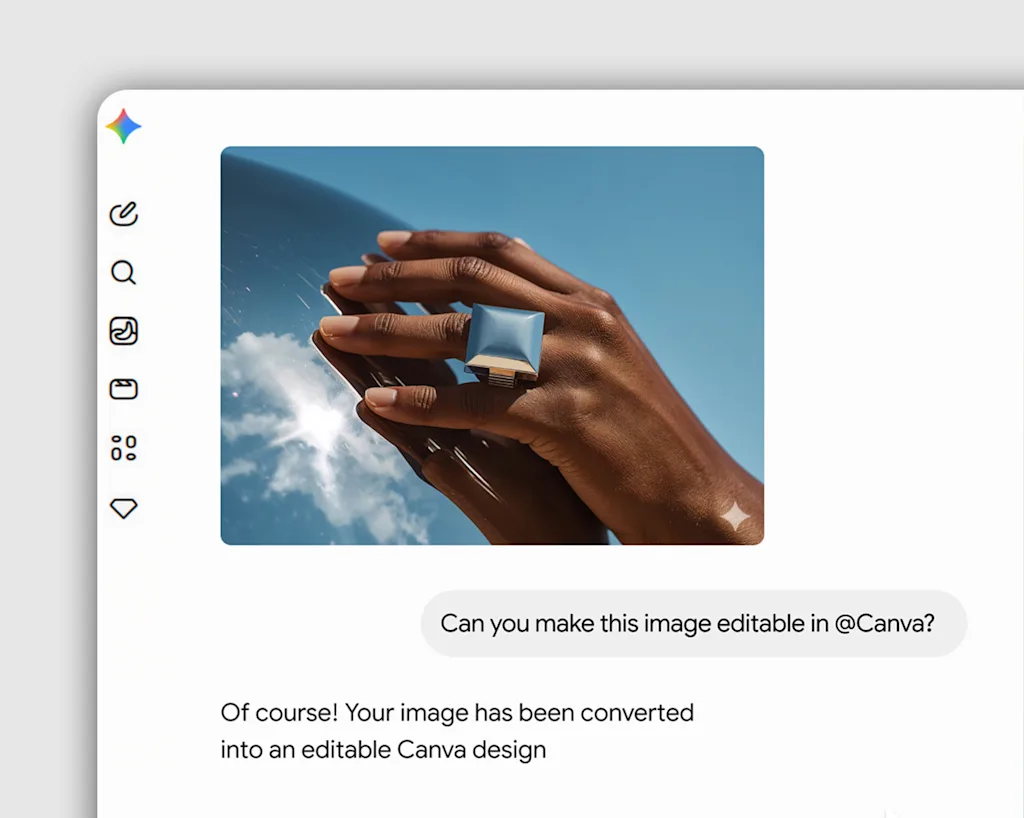
These functions mean that going forward, any brand already using a frontier AI model has automatic access to fairly advanced branding capabilities. The core tools needed to create a branded asset are also more accessible and easy to use than ever before, especially for non-designers who lack formal training but who might have an AI app installed on their phone (whether that’s a positive development remains up for debate in the design community).
Essentially, Canva is making its AI design capabilities an expected component of working with any chatbot—and, as a result, AI-generated brand assets are about to become a lot more commonplace across the board.
That ubiquity is translating into some fairly significant business outcomes for the company. According to Haneef, millions of people are coming to Canva through its apps in AI assistants. In all, use of Canva’s AI products has tripled over the past year, bolstered by sustained growth in connector app usage, which has been consistently increasing at about 30% to 40% per month.
As Fast Company has previously reported, AI frontier model companies and incumbents like Canva are currently operating like frenemies: While many offer products that directly compete with each other, they also stand to find mutual benefit in select collaborations. And right now, Canva stands to gain quite a lot from making its tech as widely available as possible.