Loyalty Against the Odds
The U.S. car market has faced several headwinds recently, including the end of the $7,500 federal tax credit for EVs and import tariffs. Gas prices have also risen, which may have increased demand for sedans and hybrids that not every automaker offers. But despite these factors, many American buyers have stuck with their favorite car brands, as seen in the 2026 J.D. Power U.S. Automotive Brand Loyalty Study.
The study assesses whether a customer purchased another vehicle from the same brand, a measure J.D. Power warned could have suffered given the recent challenges in the U.S. Instead, four of the five category winners recorded loyalty rates above 60%, an unusually strong result, according to the data analytics company. It may also reflect which automakers are doing the best job of keeping their customers coming back, even as vehicle prices rise.
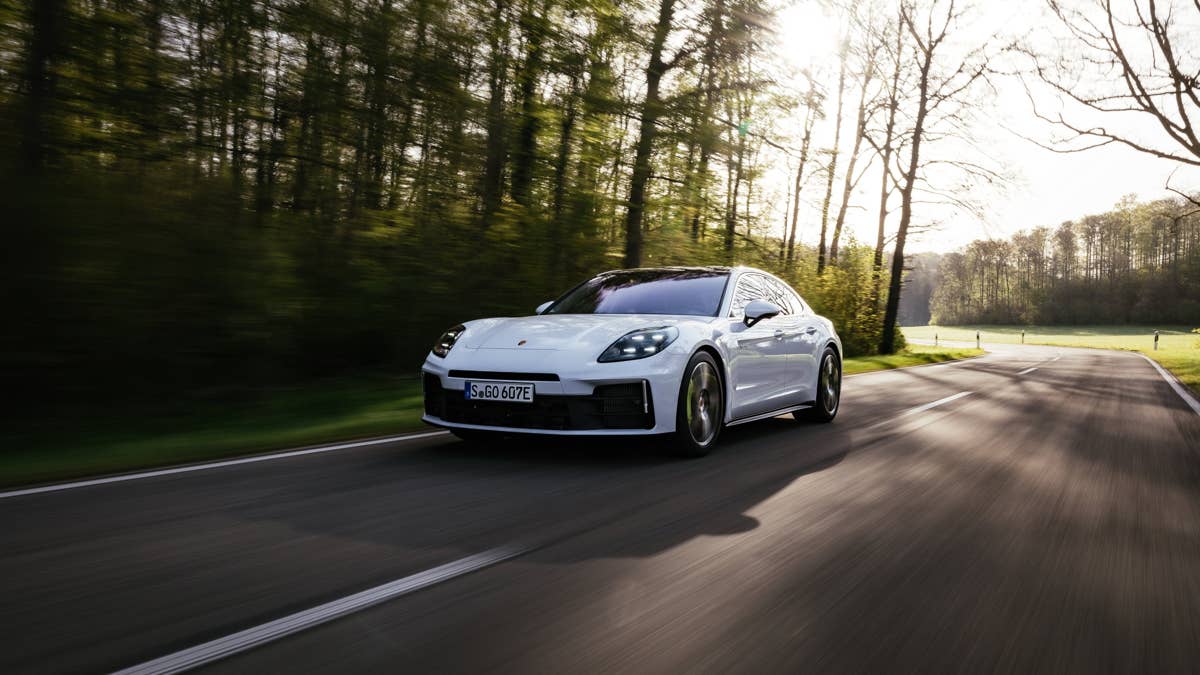
Porsche
The Usual Suspects
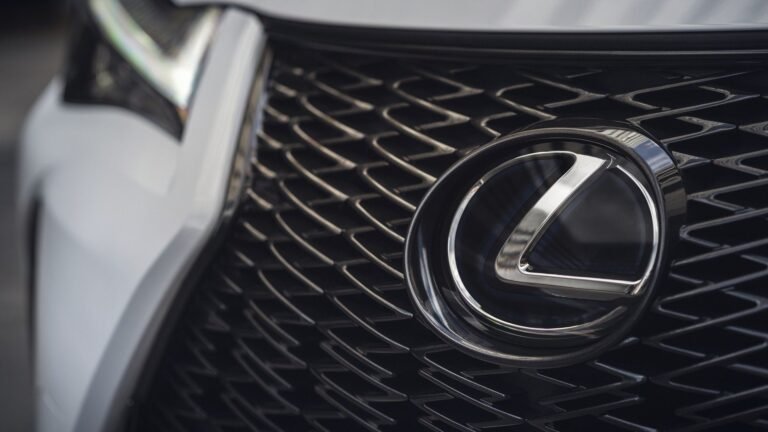
Porsche led the premium car segment for a fifth consecutive year with a 61.3% loyalty rate, followed by BMW (49.3%). In the premium SUV segment, Lexus topped the list for a third straight year with a 59.2% loyalty rate, while BMW came in second (56.4%). Meanwhile, Toyota ranked highest among mass-market car brands for a fifth consecutive year with a 64.8% loyalty rate, beating runner-up Honda (57.5%).
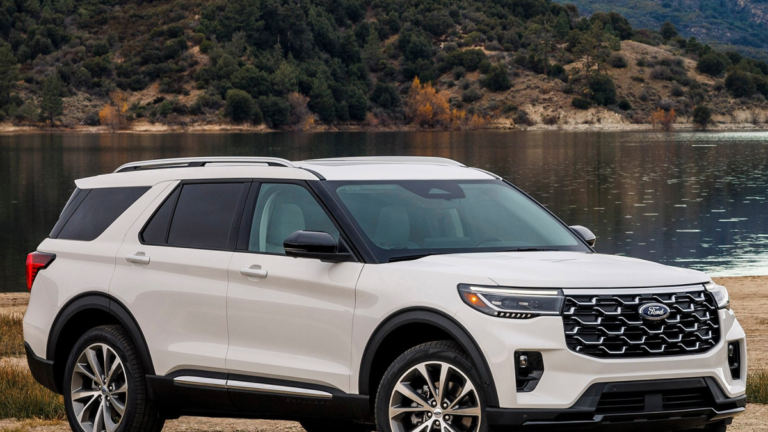
With a 63.8% loyalty rate in the mass-market SUV segment, Toyota narrowly overtook Honda (63%), which led last year’s study. Last but not least, Ford ranked highest among truck brands for a fifth consecutive year with a 66.2% loyalty rate, followed by Toyota (62.2%).
Overall, the average brand loyalty rate across all segments reached 50.2%, up from 49% last year. J.D. Power argued that because automakers largely absorbed additional costs from tariffs, the potential disruption to brand loyalty never materialized.
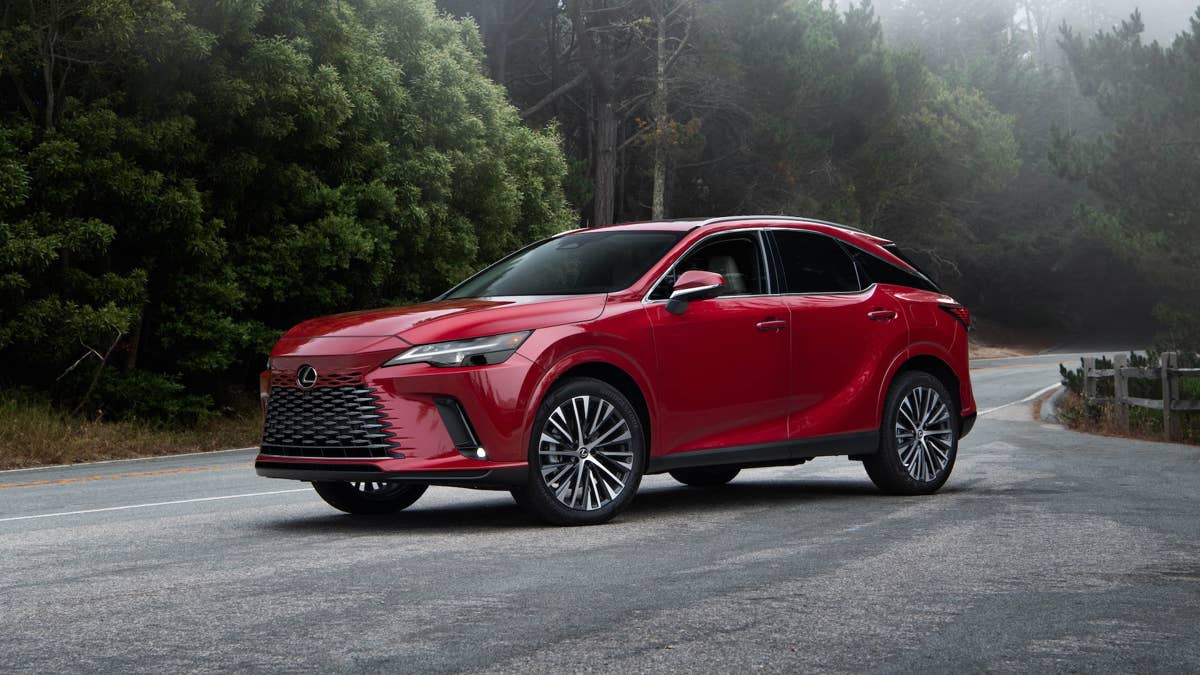
Lexus
Staying Power
The results suggest that automakers have managed to retain customers despite affordability pressures, even among premium brands, whose buyers might have considered switching to mainstream alternatives. After all, the average new-car transaction price reached roughly $50,000 in August 2026. Additionally, the extensive lineups of brands like Toyota may have helped retain customers. For instance, a Toyota Grand Highlander owner looking for a smaller, more affordable sedan could opt for the Corolla instead of switching to a Honda Civic.
J.D. Power said the 2026 study uses transaction data from September 2025 to August 2026, covering trade-ins of vehicles from all model years toward new-vehicle purchases at franchised dealerships.
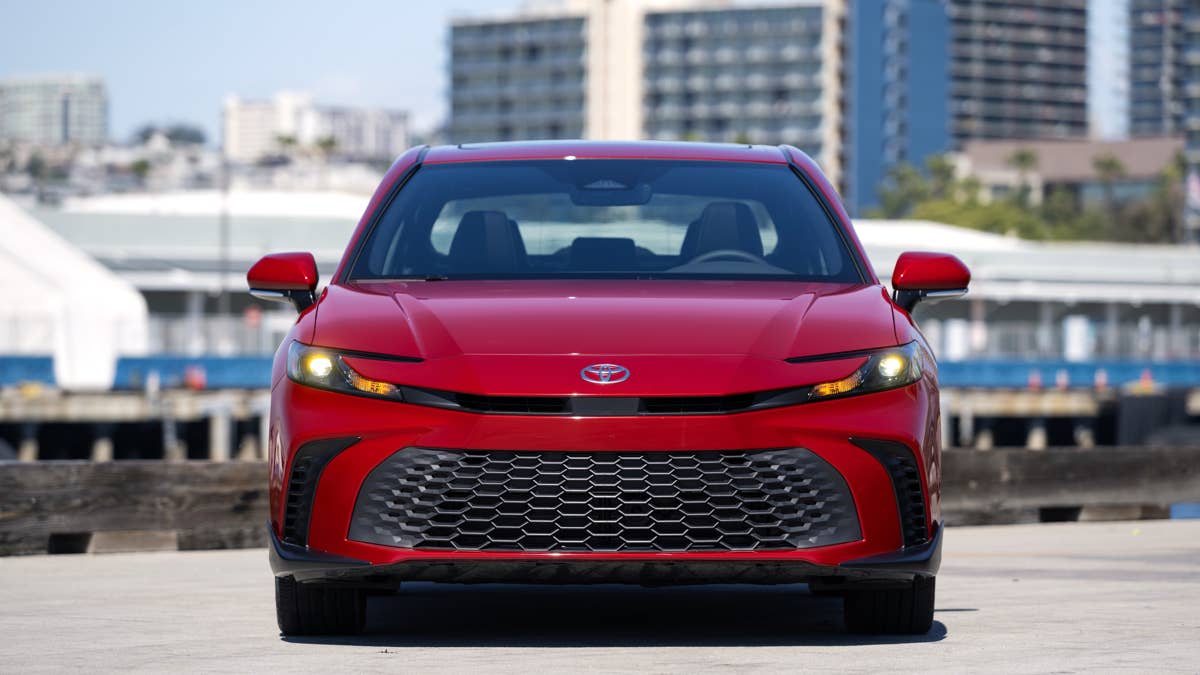
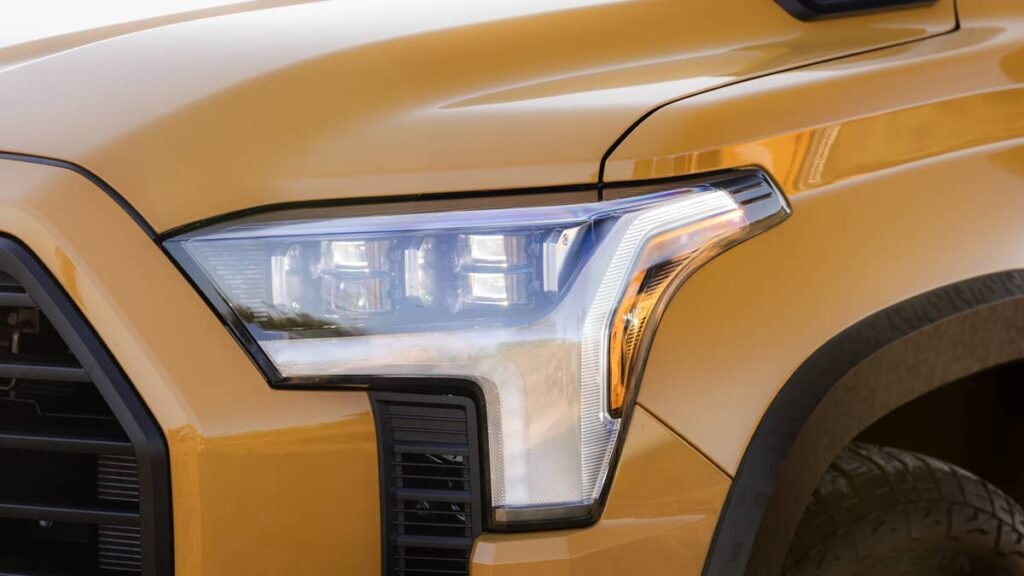
Toyota