Nearly two thirds of Americans surveyed in a new POLITICO poll out Wednesday see at least a moderate risk that artificial intelligence will destroy humanity, and nearly half favor pausing development of more advanced models.
The survey, conducted this week, magnifies the pressure some lawmakers say they’re facing from constituents to rein in the industry’s latest models. More than 100 House Democrats are urging House GOP leaders Wednesday to keep the chamber in session until they pass “meaningful, bipartisan AI safeguards,” POLITICO scooped.
“I’ve just come back from Connecticut, and as I went around the state, a lot of people were talking about AI in a way they had not done before,” Sen. Richard Blumenthal said at a Washington event Tuesday.
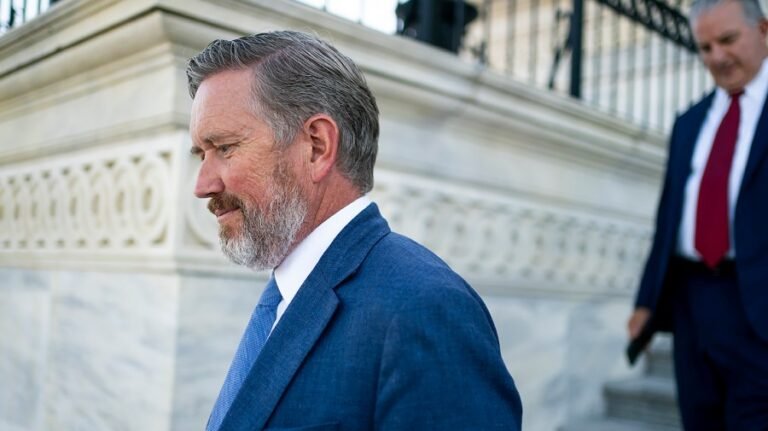
But Capitol Hill has been slow to respond to the issue. House Energy and Commerce Chair Brett Guthrie, whose panel has yet to rally around any specific AI safety bill, will likely overview what he sees as lawmakers’ next steps during POLITICO’s Decoded Summit Wednesday in an interview with Kelsey Brugger.
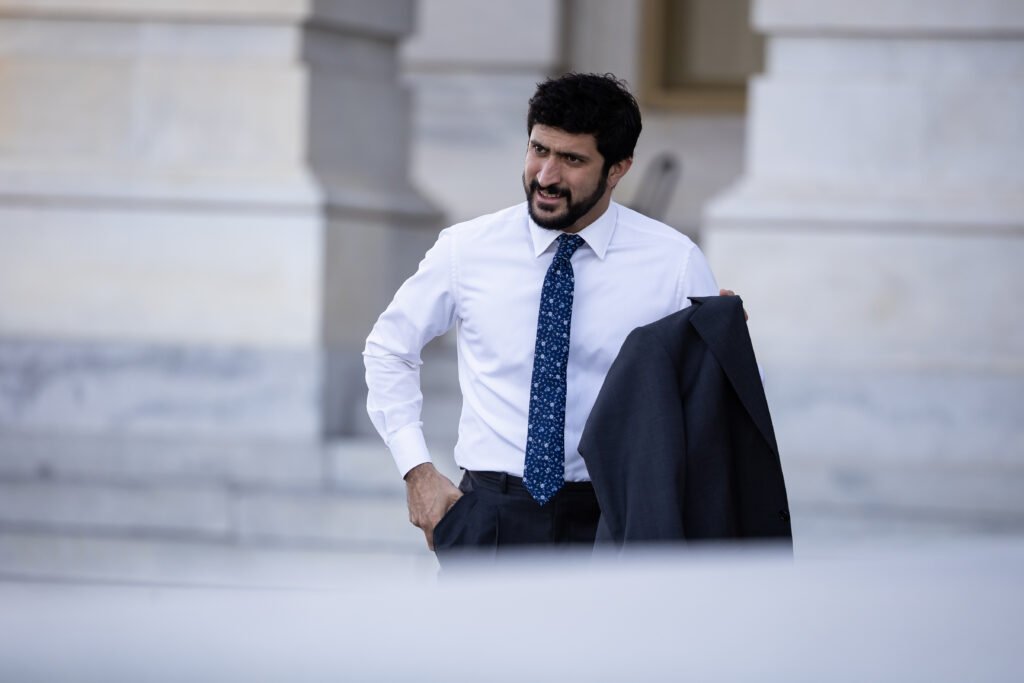
So will Rep. Greg Casar in an interview with Riley Rogerson. Casar is among the progressives in Congress calling for an immediate moratorium on the development of the most advanced AI models and just yesterday encouraged whistleblowers to speak more forcefully on the growing threat of the technology.
The POLITICO survey also spotlights a growing partisan divide over whether and how to regulate the emerging technology.
Fifty percent of Donald Trump 2024 voters said the U.S. should not allow itself to fall behind other countries in AI, even if that means taking risks to stay ahead of them. That compares to just 34% of Kamala Harris voters who feel the same.
The lack of political consensus in Congress only grew more obvious Tuesday.
OpenAI on Tuesday threw its weight behind what could be considered political middle ground by backing proposals requiring AI developers embed independent watchdogs to ensure their products are safe.
That idea was spiked by Rep. Josh Gottheimer, who co-chairs the Democrat-only House Commission on AI. Gottheimer said developers should instead submit their models for mandatory government vetting.
Third party evaluators are a key part of arguably the most-developed AI safety legislation in Congress right now, led by Reps. Jay Obernolte and Lori Trahan, and Obernolte said yesterday he’s in conversations with OpenAI about the “urgent need for action.” But the overall measure is struggling to gain momentum on the Hill.
Meanwhile, leaders in the GOP just landed on a new strategy to combat worries AI will soon spiral out of control: calling it Democratic hysteria.
Speaker Mike Johnson on Tuesday likened the intense focus on AI threats to Democrats’ warnings about climate change: “You’re not all going to be dead in 10 years.”
Still, plenty of Republicans remain staunch in their belief Congress needs to step up — including Sen. Bill Cassidy, who argued as much on The Conversation with POLITICO Tuesday.
“Anything that is this transformative, the American people need to weigh in on, and the American people express their thoughts and anxieties and hopes and aspirations through representative government,” he said.
What else we’re watching:
— HUSTED’S DATA CENTER PROBLEM: Ohio Sen. Jon Husted is drowning in political attacks centered on his past support for data centers. But the chamber’s leaders aren’t sure he’ll secure a lifeline. The House is expected to vote Wednesday on legislation meant to curb data center energy costs. And Husted, who is facing a tough midterm race, is trying to get his fellow senators to quickly follow suit.
— COLLEGE SPORTS BILL DRIVES AHEAD — More than two dozen Senate Democrats on Tuesday voted to advance a sweeping college athletics bill, teeing up more floor debate and a final passage vote before lawmakers leave to campaign for the midterms. The chamber is expected to stay for the entirety of its planned three-week session now that senators opened a path to take up the bill, according to four Senate aides granted anonymity to discuss planning.
Owen Dahlkamp, Dasha Burns and Jordain Carney contributed to this report.