Why Women Have Been Suffering In Silence
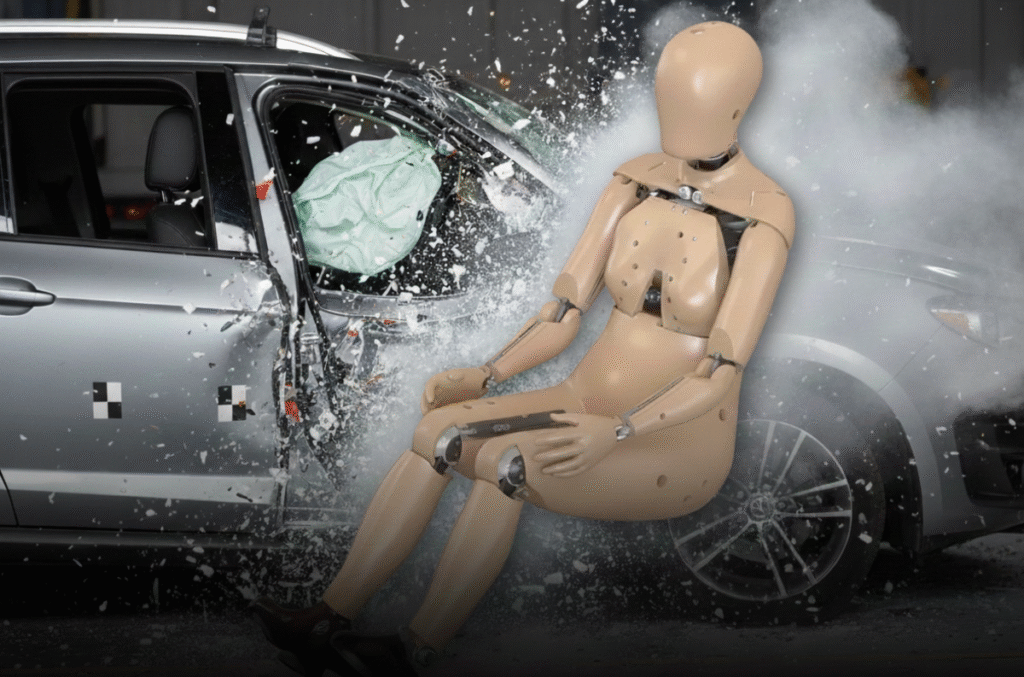
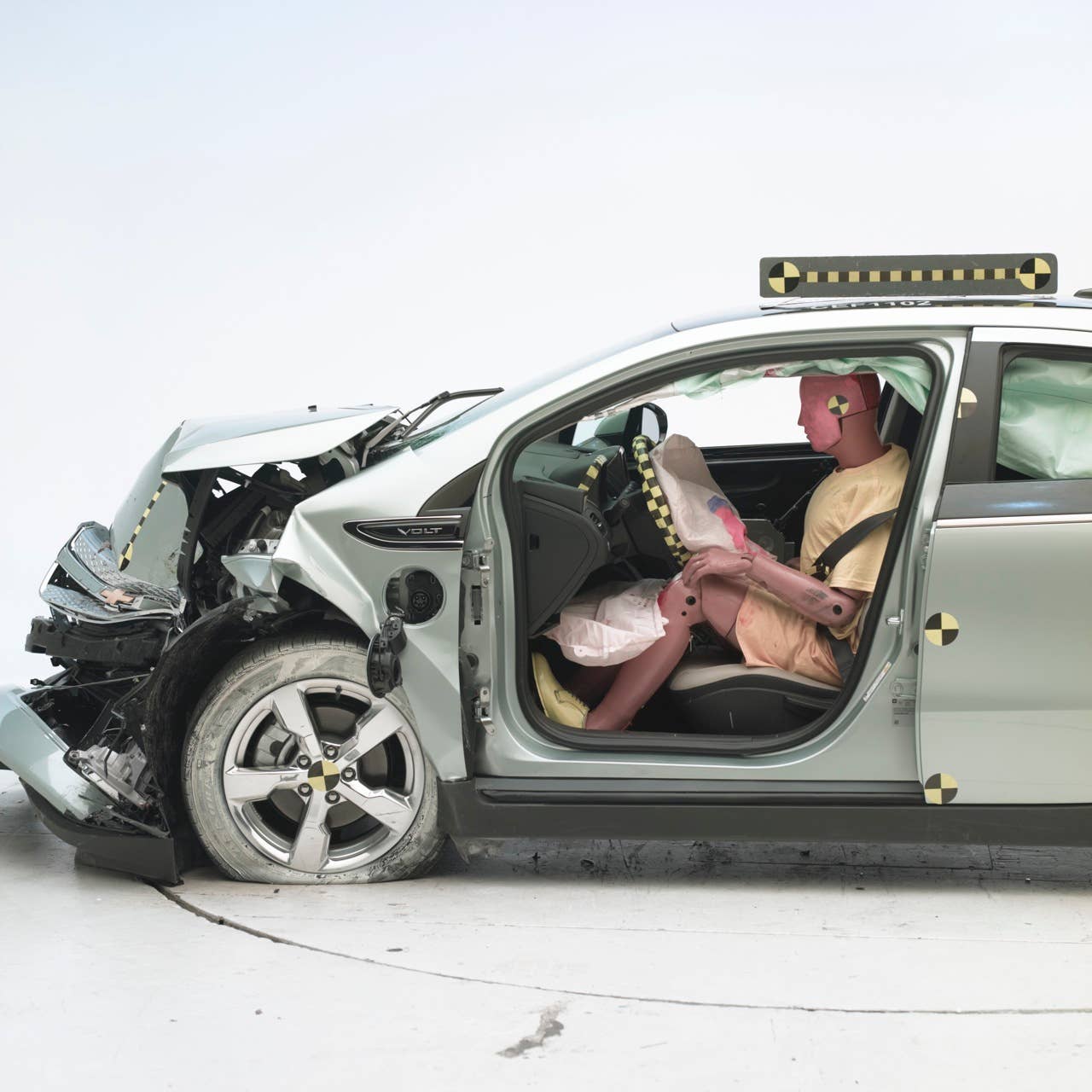
Research shows that women are 73% more likely to be seriously injured in head-on car crashes compared with men in the same crashes. The problem stems from a simple oversight that’s persisted for decades. Safety systems have been designed around crash test dummies modeled after male bodies, leaving women vulnerable despite wearing seatbelts and sitting in vehicles with airbags.
Sweden actually led the charge on this issue years ago by developing their own female dummy for testing. European officials indicated plans to add it to tests within a few years, putting pressure on American regulators to catch up. Advocates have been demanding this change for over a decade, when regulators added what they called a female dummy that was really just a shrunk-down male model with attachments for breasts.
How The Feds Engineered A Better Solution
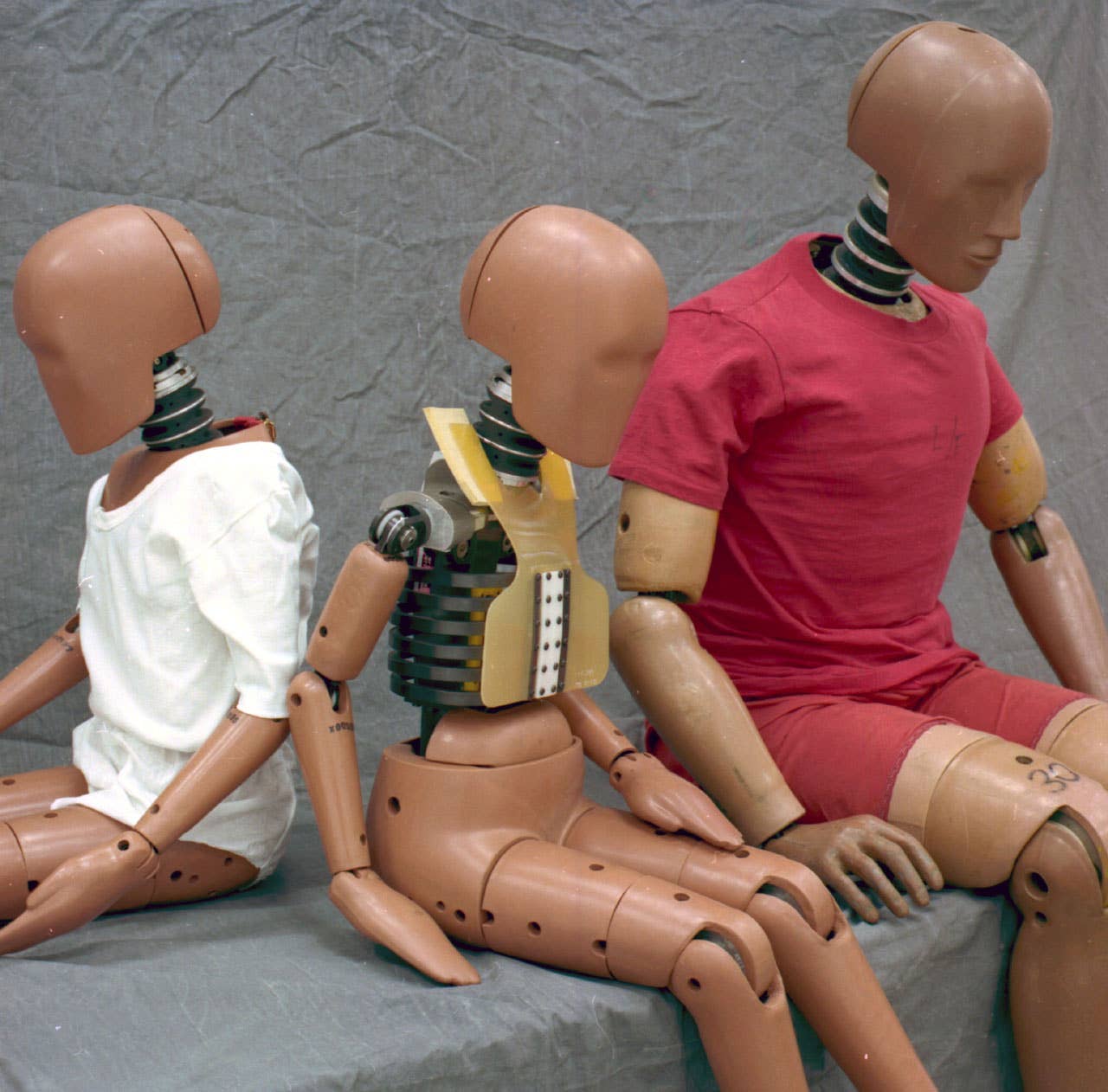
The THOR 05F came to life through collaboration between federal safety officials and Humanetics, the company that manufactures these sophisticated testing instruments. Outfitted with more than 150 cutting-edge sensors, the THOR 05F is more durable, accurate, and lifelike, enabling it to collect three times more injury measurements than current dummies.
Female anatomy differs substantially from male anatomy in critical ways. The pelvis shape affects how seatbelts interact with the body, while neck structure and lower leg composition create different injury patterns during crashes. Developing this technology wasn’t cheap or quick. Individual dummies can cost over a million dollars to produce, and the entire development process took more than a decade of careful engineering work.
What This Means For The Future Safety Of Women In Cars
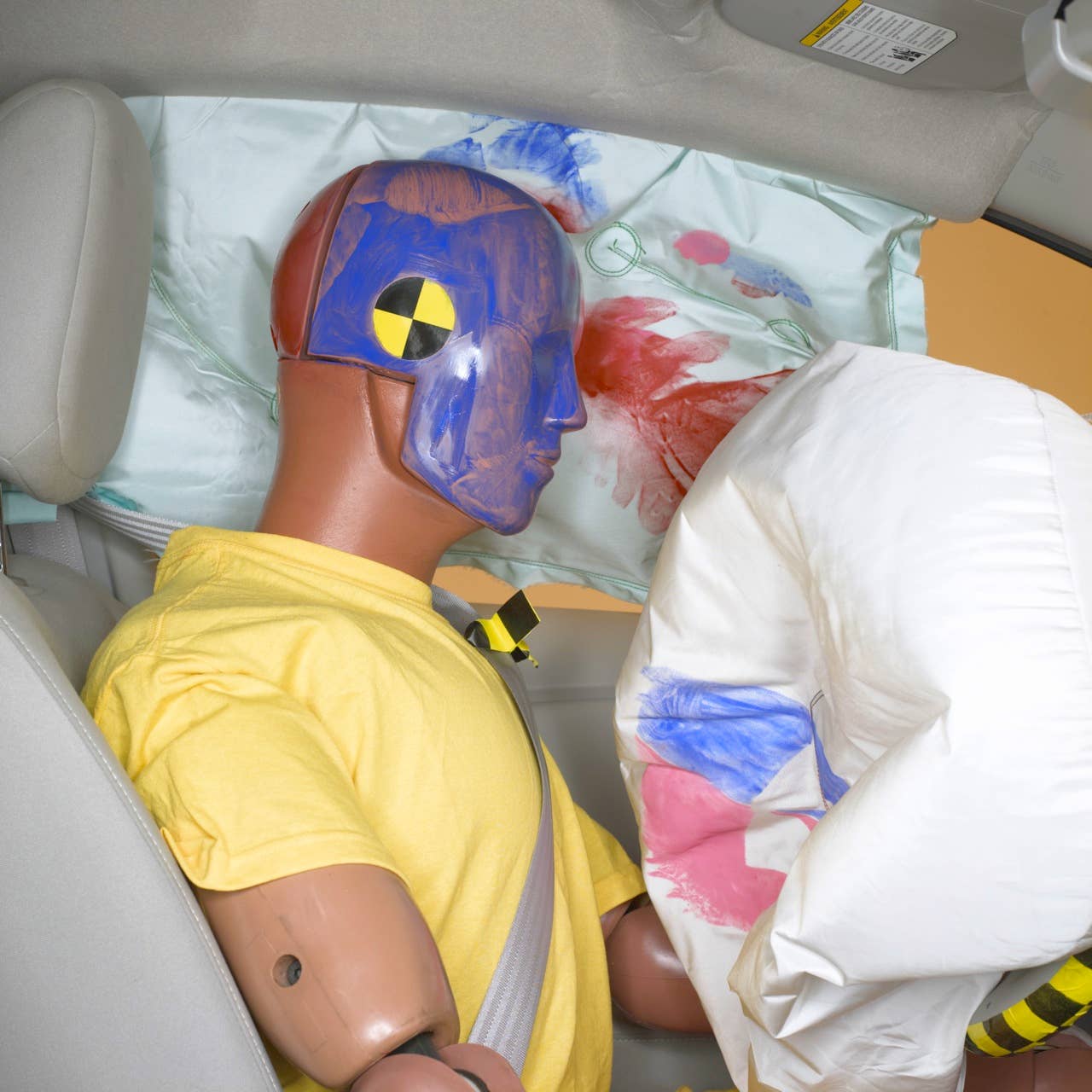
The new dummy’s advanced sensor network will finally reveal how safety equipment performs on women’s bodies rather than just scaled down versions of men. Its sensors show how seatbelts, airbags, and vehicle structures perform with female bodies, ultimately leading to safer vehicle designs and regulations. This data will help engineers understand why certain injuries occur at higher rates in female passengers and how to prevent them.
Real people like women’s car safety testing advocate Maria Weston Kuhn, who suffered devastating injuries when her seatbelt slid off her hips during a crash, won’t have to wonder why safety equipment failed them. Manufacturers will have concrete information about how their designs affect women, creating incentives to engineer better protection for everyone on the road.