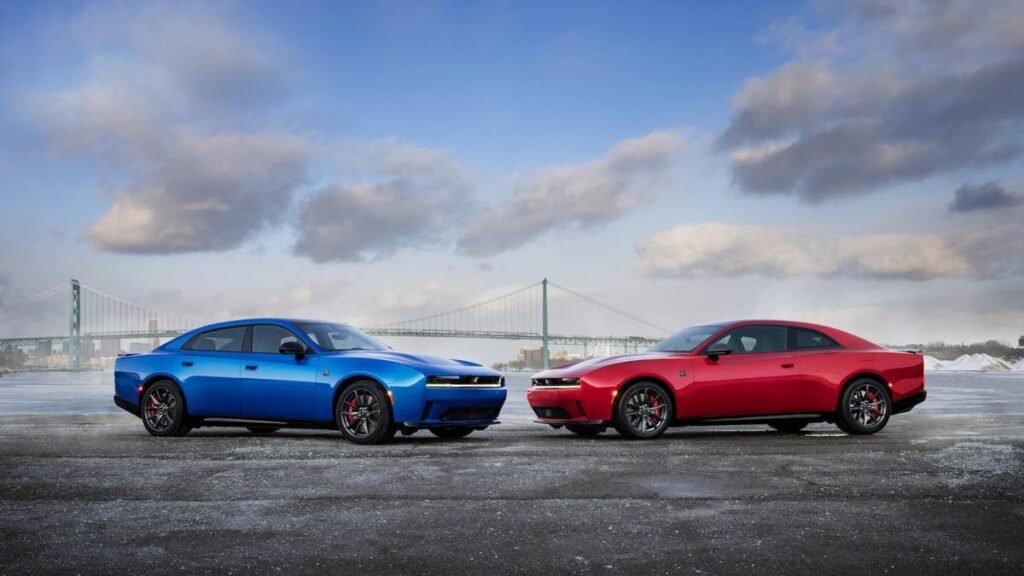
Dodge’s ambitious bet on an all-electric muscle car future is facing a harsh reality check. According to recent sales data, the brand’s Q2 2026 data reveals a massive divergence in consumer demand: sales for the gasoline-powered Charger skyrocketed by 404 percent in the second quarter alone, while the battery-electric Charger Daytona EV collapsed by 88 percent.
With overall brand sales down 15 percent for the quarter, it is increasingly clear that traditional muscle enthusiasts are rejecting the electric pivot. In this climate, Dodge’s recently confirmed plan to bring back the supercharged Hellcat V8 isn’t just a nod to nostalgia; it is a critical lifeline.
Dodge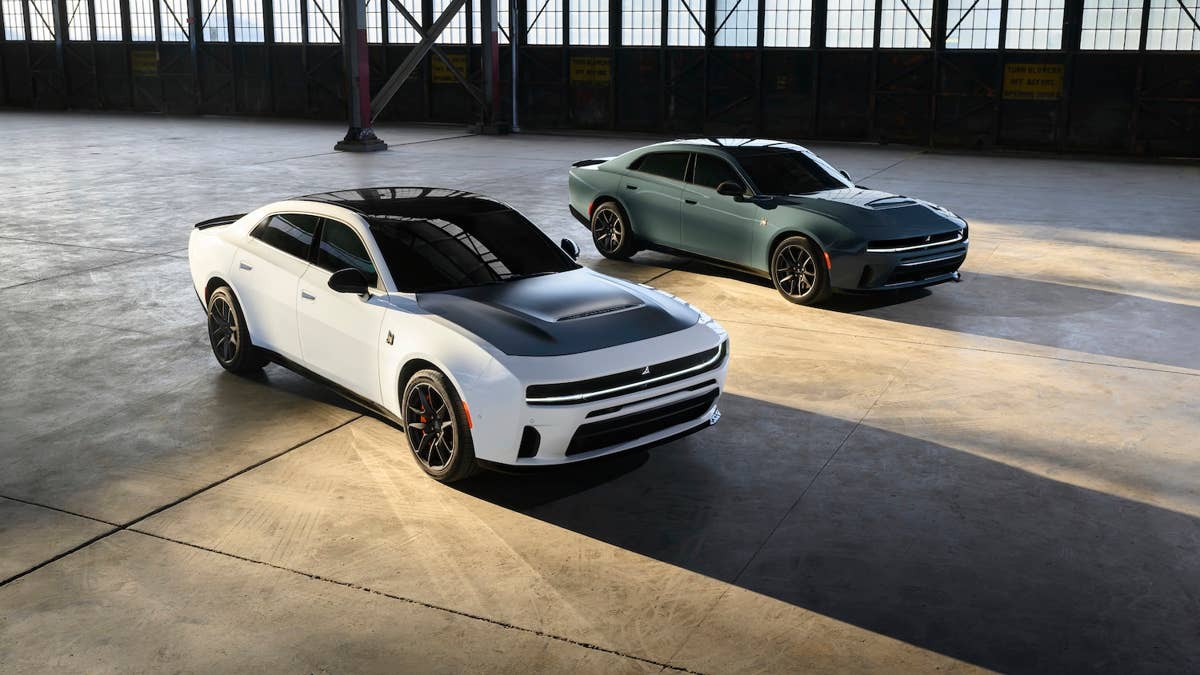
Six-Cylinders Are Not Enough
The current sales surge for the internal combustion engine (ICE) Charger is powered entirely by Stellantis’ twin-turbo Hurricane inline-six. While a highly capable and technically impressive powerplant, a six-cylinder engine simply lacks the cultural and auditory DNA that defined the modern muscle car boom.
Even with the Hurricane keeping the lights on, total Charger volume is a shadow of its former self, in spite of constant offerings from Dodge. For context, Q2 sales for the ICE Charger sat at 2,911 units—a massive percentage jump from last year’s transition period, but a steep drop from the 24,004 units the nameplate moved in Q2 2023 when the V8 was still readily available.
The Hemi Changes The Equation
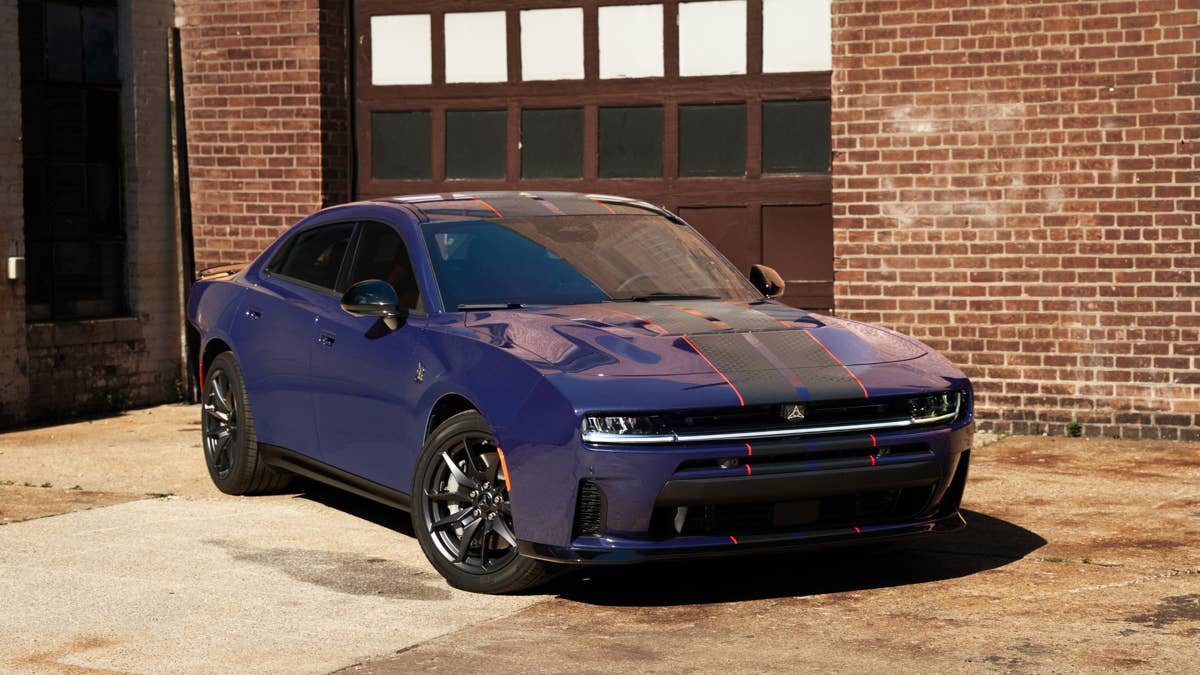
The confirmed return of the supercharged Hellcat directly addresses what the current lineup lacks: raw emotion and unmatched theater. American muscle buyers have proven they are willing to vote with their wallets. If a six-cylinder Charger can outpace its EV sibling by a 10-to-1 margin in Q2, the return of a genuine, supercharged Hemi flagship has the potential to completely re-energize dealership foot traffic.
For Dodge to survive its rocky transition, it needs to feed its core base. Embracing the return of the Hellcat gives the brand the high-margin, high-octane flagship it desperately needs to stabilize the ledger while the industry navigates a volatile EV market.