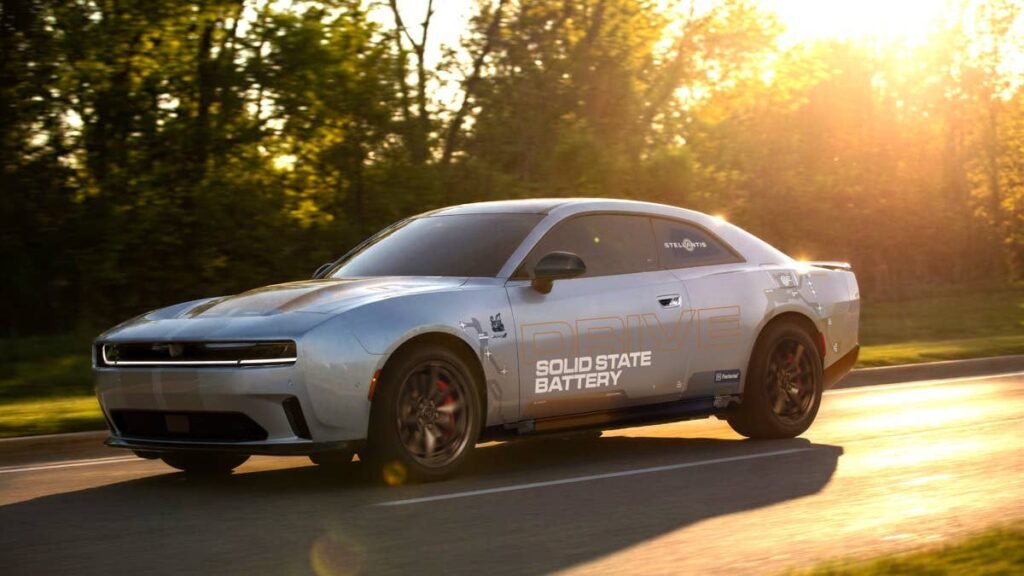
The all-electric Dodge Charger Daytona has failed to light up the sales charts, and the situation is so dire that it appears Stellantis is discouraging the few potential buyers the EV has by hiking the Daytona’s price by five figures. But while Hellcat V8 power will return to the Charger, appeasing the masses, Stellantis isn’t abandoning EV technology and is, in fact, pursuing advances in the field, announcing that a Charger Daytona development vehicle has been fitted with Factorial’s advanced solid-state battery technology. Why does this matter when EV muscle cars are clearly not popular yet?
Stellantis Wants to Be Ready for the EV Revolution
Stellantis
While Lamborghini has indefinitely canceled the launch of its first EV, the automaker continues to develop the technology for the day when the market is less averse to silent motoring, and the same applies here with Stellantis. The Charger is heading across the Atlantic to Europe, where EVs are more readily embraced, and if it’s successful, buyers will eventually want more power and range, which is where Factorial’s tech shows its value. Stellantis is trying out the Factorial Electrolyte System Technology (FEST) solid-state battery and road-testing the prototype Charger Daytona to “verify performance, safety, and reliability.” Stellantis and Factorial have already demonstrated the FEST cells, with an energy density of 375 Wh/kg, the ability to recharge from 15-90 percent in only 18 minutes, and reliable usability in temperatures ranging from -22°F to 113°F.
Related: Stellantis Plans 7 Cheaper Models To Fight America’s $50,000 Car Problem
Notably, Stellantis was able to use Factorial’s solid-state cells in the Charger Daytona’s existing battery pack using a Stellantis-designed and patented new mechanical architecture, suggesting that implementing solid-state batteries in existing EV platforms will be relatively straightforward. Now Stellantis will test the conversion on the road, with the aim of someday soon providing cheaper, lighter, more reliable, and more powerful EVs that can travel further between charges. It’s also worth mentioning that Factorial is the same company Mercedes-Benz is working with, so the company is at the cutting edge of EVs.
Solid-State Battery Tech Is Moving Fast
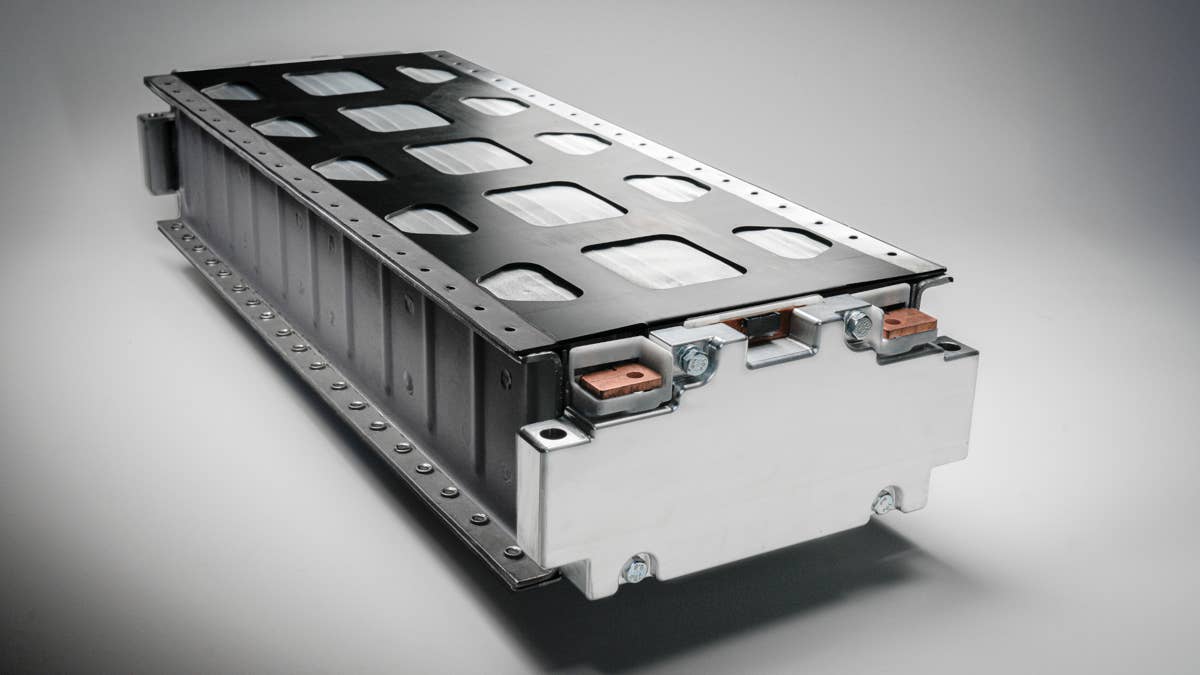
It’s not just Stellantis making progress with solid-state battery technology. Volkswagen, in collaboration with Gotion, has also begun real-world testing of Gemstone solid-state battery tech. Meanwhile, Donut Lab has created what it claims are the world’s first production-ready solid-state batteries, and they can charge in as little as five minutes, putting EVs on par with combustion cars. Nissan is hoping to launch mass production of solid-state batteries by 2028, and of course, China has developed batteries that can do 800 miles on a single charge. For most of us, and for the moment, these developments are inconsequential, but at the rate EVs are progressing, it’ll be just a couple of years before the performance, cost, and reliability of solid-state-powered EVs will be impossible to ignore.