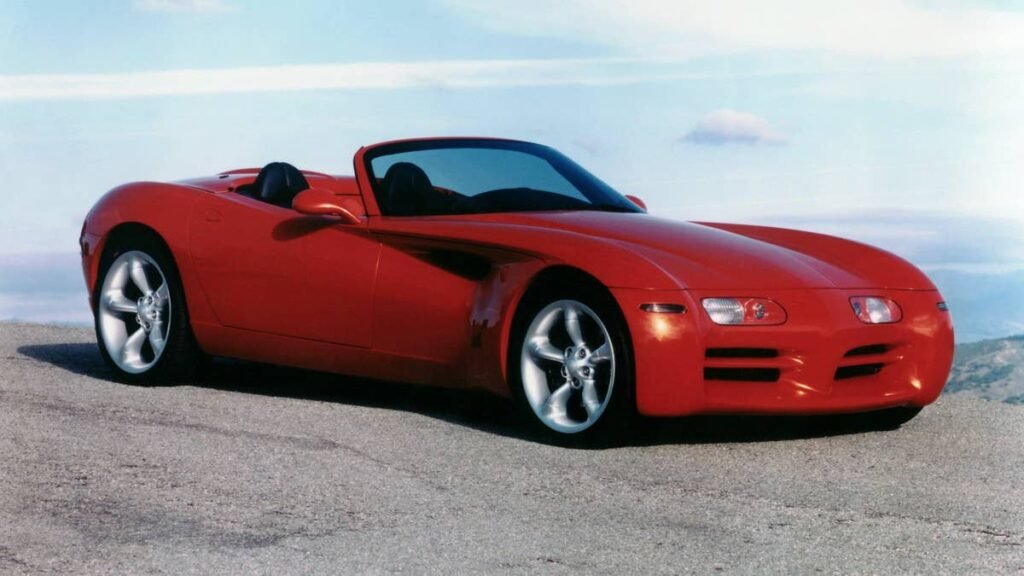
It’s safe to say that Dodge had some of the most interesting product announcements at Stellantis’ Investor Day 2026 event in Auburn Hills last week: the SRT Copperhead halo car, the GLH hot hatch, and the new Charger Hellcat muscle car.
The mysterious SRT Copperhead, named after a 1997 concept car (pictured above) that envisioned a slimmed-down, V6-powered version of the Viper, arguably caused the most buzz of all the new vehicles announced last week, mainly because it came out of nowhere but also because SRT CEO Tim Kuniskis described it as a “hyper muscle car” to fill a “white space.”
Now, we at Autoblog haven’t seen the 3D-printed design buck as select members of the media have during short previews offered by Stellantis, so we were only able to report on the impressions shared by some of our colleagues. As it turns out, some of the impressions The Drive included into its original reporting proved inaccurate, as Tim Kuniskis clarified on the latest episode of The Drivecast podcast.
Based On One Of Stellantis’ Global Platforms, Not On The Charger
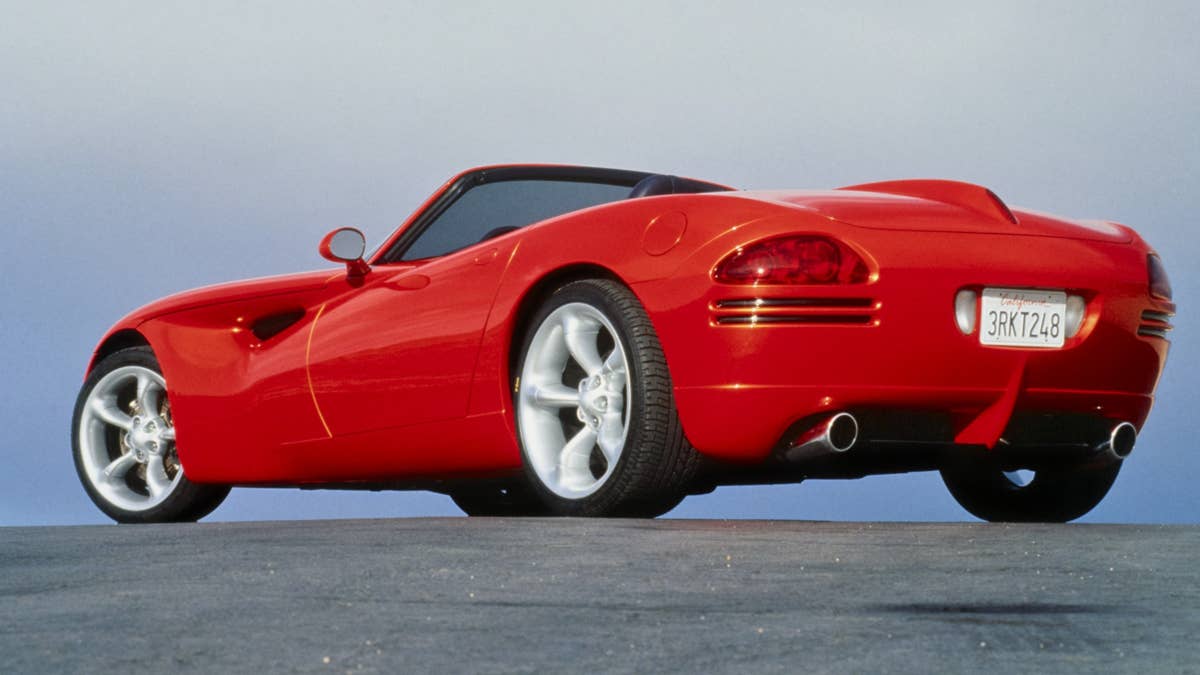
First of all, the SRT Copperhead is not based on the Charger as initially reported by The Drive. When asked about what powers the halo car, SRT’s head honcho confirmed it’s a combustion engine but made it clear that the halo car is not based on the Charger.
“So there’s definitely exhaust pipes, so it is a combustion engine in it. I will tell you that it is not the hard points of a Charger,” Kuniskis told The Drive. “You couldn’t get a Charger with those proportions and that stance because of the multi-energy design of where the battery is encapsulated in the bottom of the car—without cheating.”
While that could have been done for a show car, the executive insisted that the SRT Copperhead design buck shown to the press had “real hard points, real production-intent proportions.”
So what is it based on then? Kuniskis did not offer solid clues, but he did say the SRT Copperhead is not built on a bespoke chassis as that “will never pay pack” as an investment.
“SRT only works if SRT can take sunken investments from around the globe and leverage those,” he said. “So there’s stuff in that car that are production-intent in other things that we’ll leverage very heavily.” It sounds like Dodge will base the SRT Copperhead on an existing or old platform from Stellantis’ global portfolio. Right now, it’s anyone’s guess what that might be.
The Engine Is An Even Bigger Question Mark
Stellantis
Tim Kuniskis then shifted the discussion to the powertrain, but he wouldn’t get into details either. While he confirmed the SRT Copperhead has a combustion engine and Dodge knows exactly what it wants the powertrain to be, the company is not ready to share it yet.
When the interviewer asked whether a hybrid V8 could work, the executive said that it could, but he dismissed hybridization as something that could become obsolete—“an 8-track”—in 30 years. “My goal is to have something that would be timeless and somewhat future-proofed,” Kuniskis said.
He did not react to the suggestion of putting a 426 Hellephant Hemi engine in the SRT Copperhead either. So what could power Dodge’s future halo car?
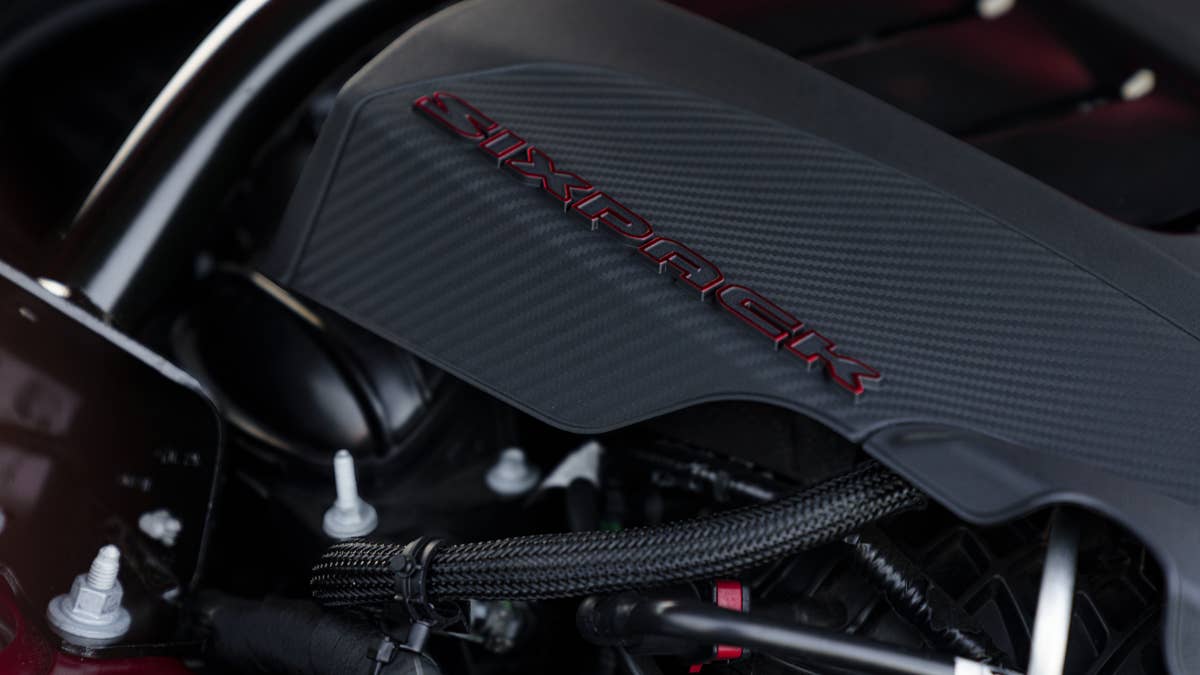
One possibility could be the Hurricane inline-six cylinder engine currently offered in the Charger. Dodge CEO told The Drive in March that the company was going to “continue pushing the limits of this engine and see what it can do.” He also confirmed that SRT is working on upgrades for the Sixpack. Come to think about it, a six-cylinder engine would also be a tribute to the original Copperhead, so why not?