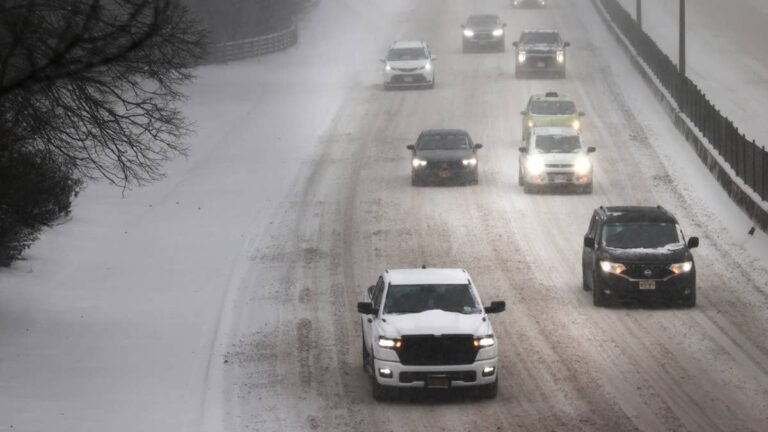
Winter weather can turn an ordinary road trip into a stressful experience surprisingly quickly. With El Niño influencing this season’s forecast and a warning for up to 20 inches of snow and 45 mph winds, motorists have good reason to prepare before heading out. A little preparation and a few simple habits could make winter driving considerably less stressful.
Prepare Your Car For Winter Weather
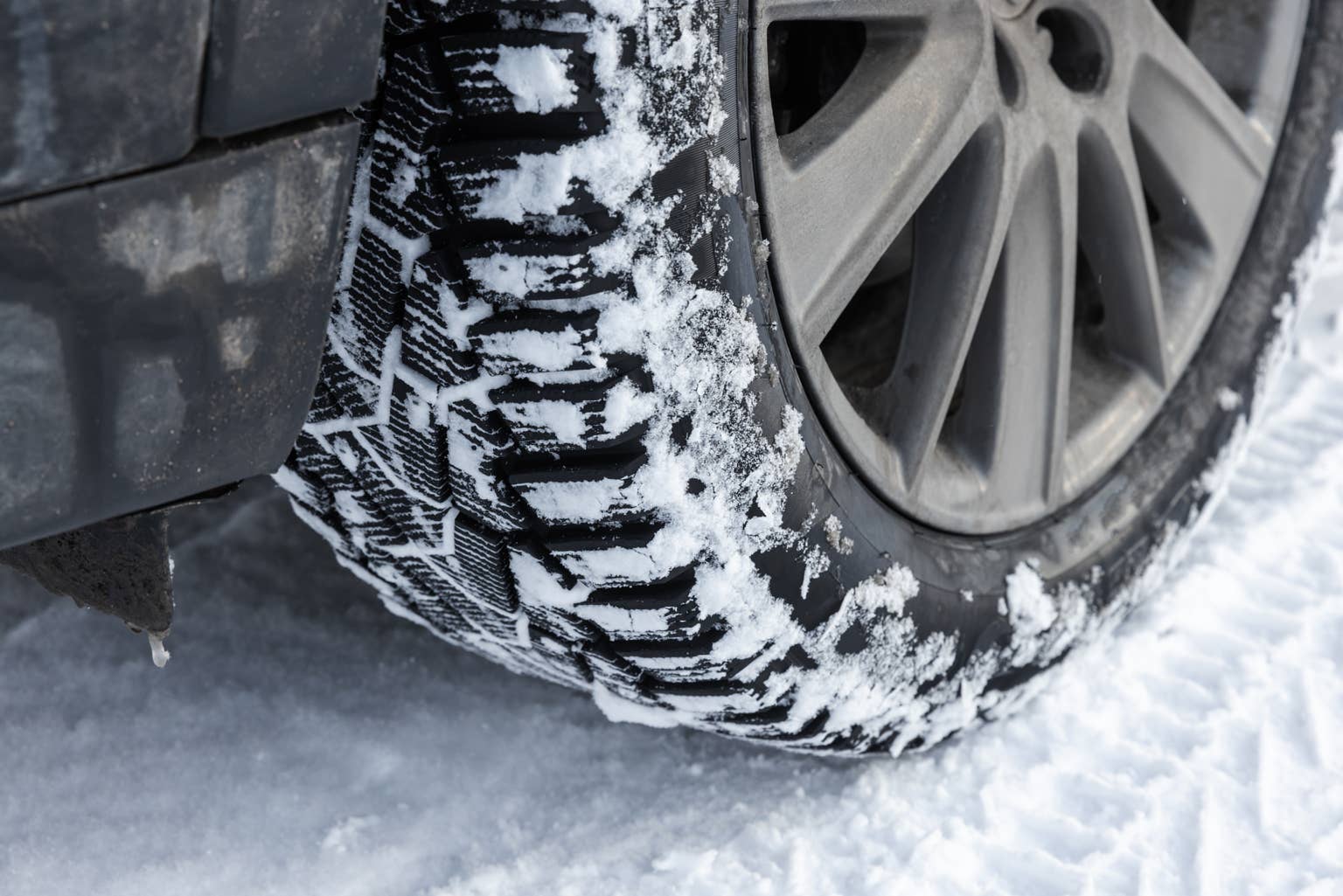
Cold temperatures can take a toll on your car, particularly its tires and battery. Tire pressure typically falls by around 1 PSI for every 10-degree drop in temperature, so check it regularly using a gauge rather than relying on the dashboard warning light. That’s one of several winter driving pointers Infiniti recently shared with us. Also inspect your tread, as worn tires leave you with less grip when roads become slippery.
Before leaving, make sure your battery is healthy, all your fluids are topped off, use washer fluid that’s suitable for freezing temperatures, and that your wipers can clear the windshield properly. In case of snowy weather, remove snow from the entire car, including the roof, to prevent it from sliding onto your windshield or obstructing other motorists. If you want to go the extra mile, a water-repellent coating on your windshield, like Rain-X, makes driving in the rain much less difficult.
Don’t Let AWD Give You False Confidence
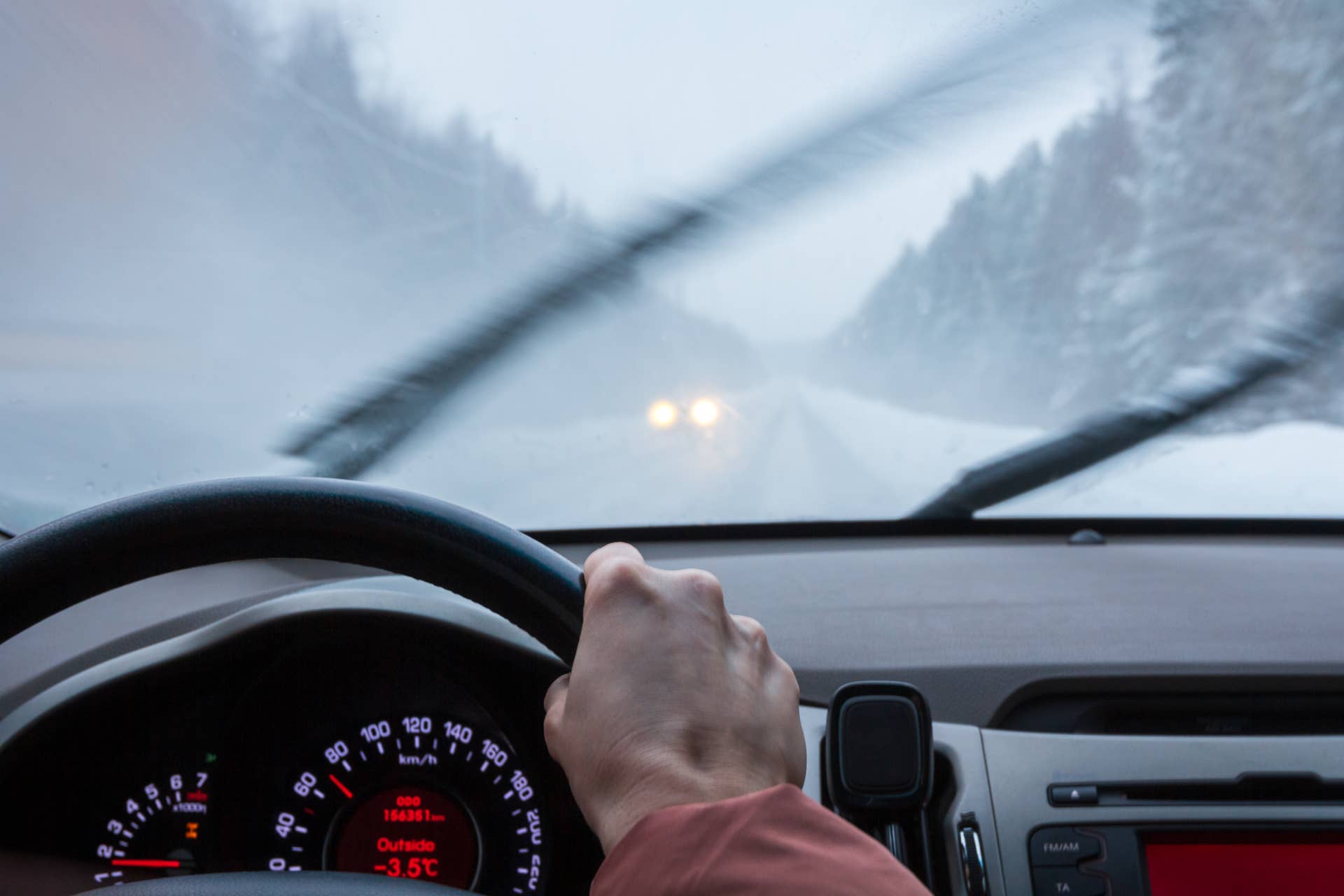
AWD and 4WD might help you pull away on slippery surfaces, but they won’t magically shorten your stopping distance. Replace your summer tires with winter tires, or at least all-seasons, as they offer more grip than many standard tires when temperatures drop.
As for your driving style, avoid sudden steering movements, aggressive acceleration, hard braking, and, most importantly, slow down and increase your following distance. Slowing down before corners and having more time to react is far better than trying to quickly recover after losing traction.
Pack For The Unexpected
Getty Images
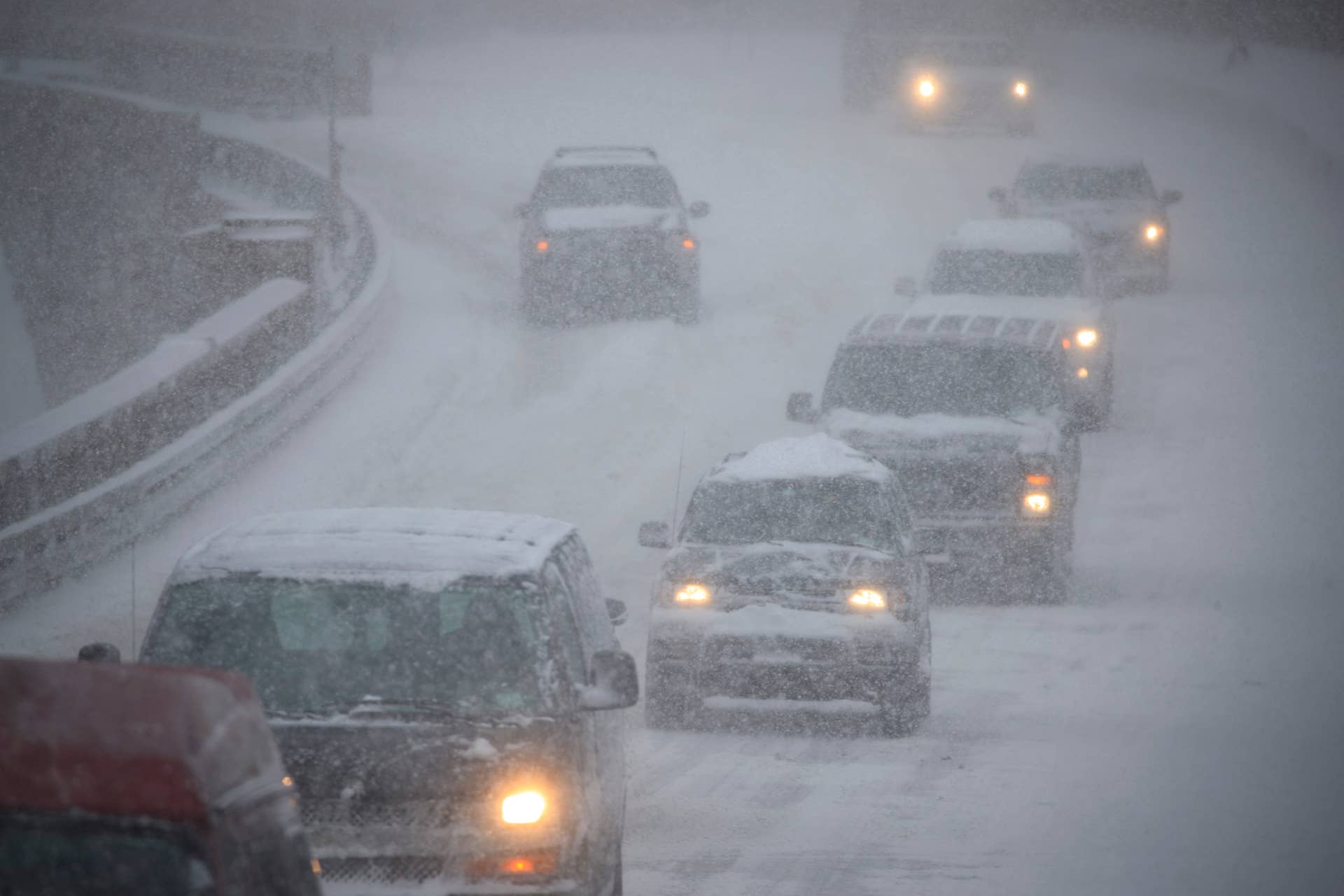
Prevention is better than cure. Check weather forecasts and road conditions before leaving, and postpone your journey if authorities advise against travel. The NOAA expects El Niño to influence temperatures and precipitation across the country, but seasonal averages cannot predict every snowstorm or icy road.
Keep an emergency supply of blankets, water, snacks, a flashlight, a phone charger, and basic winter equipment in your car. If you become delayed by a closure or storm, those supplies could prove invaluable. Being prepared is important, but knowing when to stay home is arguably the most useful winter driving tip of all.