Chevron Exec Says “Drive Less” as Fuel Crisis Deepens
Comments from Andy Walz, president of downstream, midstream, and chemicals at Chevron, are striking a nerve as global fuel prices surge. Speaking to CBS News, Walz urged Americans to rethink their driving habits: “People should try to drive less. They should try to conserve energy… We should be doing that all the time.”
The remarks come as oil markets reel from geopolitical instability, particularly disruptions in the Strait of Hormuz, which typically carries about 20% of the world’s oil supply. With tanker traffic reduced, Brent crude has climbed to around $100 per barrel, pushing fuel costs higher across the board.
The effects are already being felt at street level. Some Americans are reportedly beginning to ditch their cars altogether as fuel becomes prohibitively expensive. What was once a cornerstone of daily life: commuting, errands, and road trips, is now being reassessed in real time. Walz himself admitted there’s likely no “silver bullet” to bring prices down, emphasizing the global nature of oil markets and warning that prolonged instability could make conditions even tougher for consumers.
$4 Gas and the Ripple Effect on Industry
The pressure is quantifiable. U.S. average gas prices recently breached the $4-per-gallon mark again, a psychological and financial threshold that tends to reshape consumer behavior. This spike is beginning to affect automakers as well. Companies like General Motors have already reported declines in sales, suggesting that rising fuel costs are influencing purchasing decisions, particularly for larger, less-efficient vehicles.
Technology is attempting to soften the blow. A growing number of apps now help drivers locate the cheapest gas stations nearby, some even leveraging AI to predict price fluctuations. But these tools are ultimately a stopgap. They optimize spending within a broken system rather than addressing the root cause. As Walz noted, if global supply constraints persist, even the cheapest station on the map won’t feel particularly affordable.
David Paul Morris/Bloomberg via Getty Images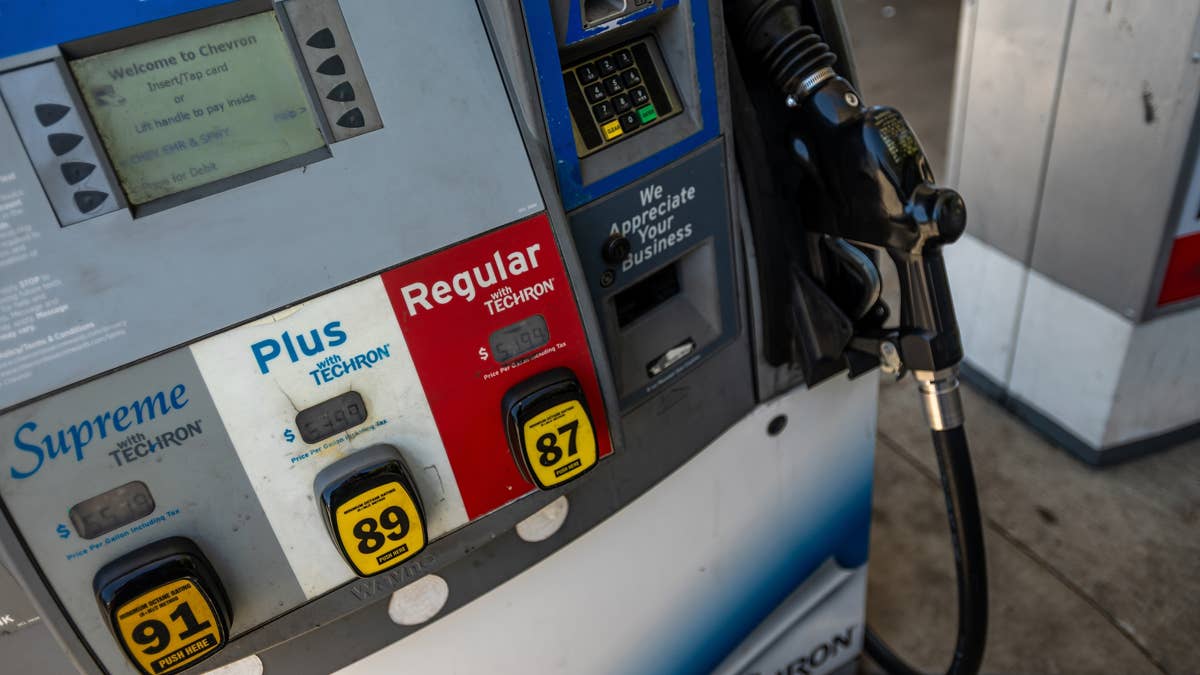
America’s Car Culture Faces an Uncomfortable Reality
Americans have a deeply ingrained relationship with their cars, one that goes beyond transportation into identity and freedom. The Interstate Highway System was built to enable this lifestyle, prioritizing long-distance, high-speed travel over alternatives such as high-speed rail.
When a top executive from a major oil company suggests driving less, it signals more than just a temporary adjustment; it signals a structural strain in the system. If even the industry benefiting from fuel consumption is advising restraint, it underscores how dire the situation has become. And with no clear resolution to the geopolitical tensions driving these prices, the road ahead looks increasingly uncertain.
Ford