Clearing the Path for Pedal-Free Vehicles
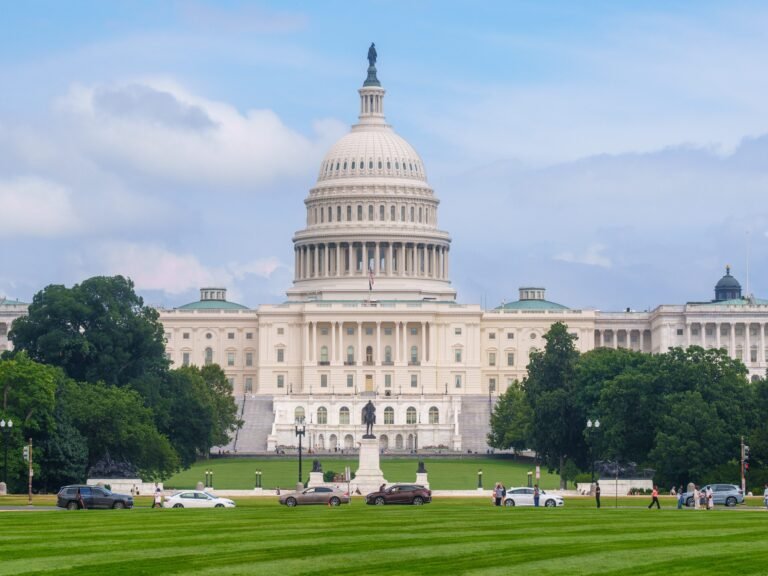
The federal government is preparing to take a massive leap into the autonomous future. The National Highway Traffic Safety Administration plans to officially propose updates to its long-standing safety guidelines. This shift will remove the manual brake pedal mandate for vehicles designed to operate entirely without human drivers. This change aims to modernize the Federal Motor Vehicle Safety Standards for the autonomous vehicle era.
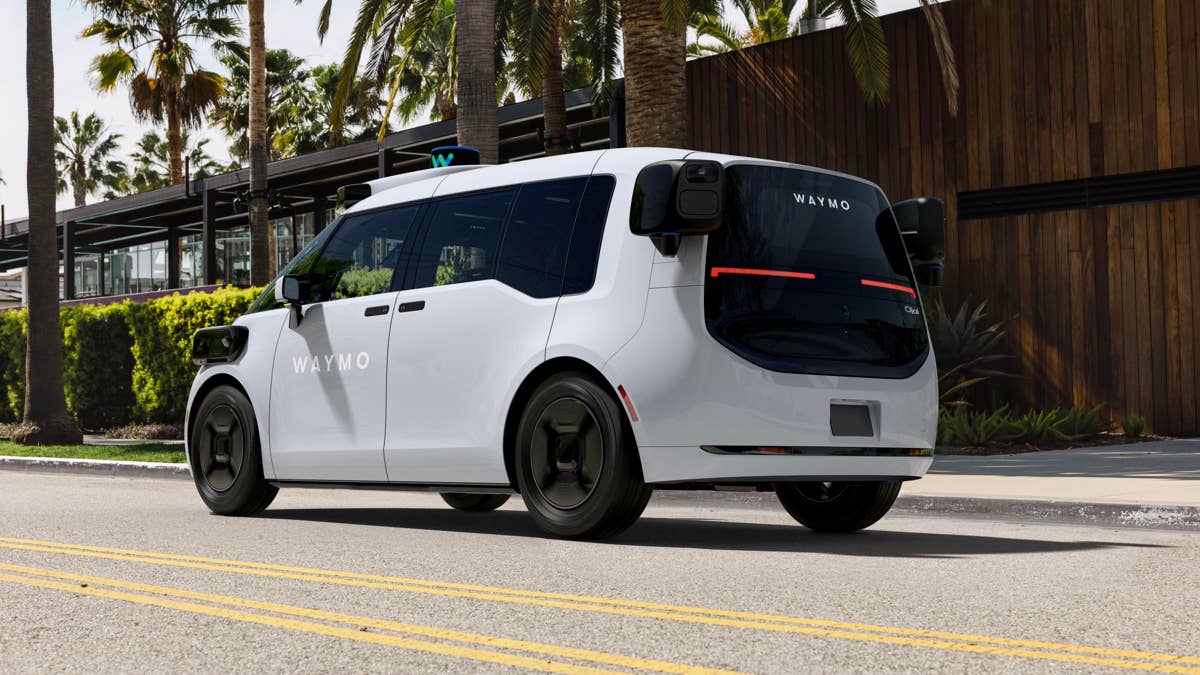
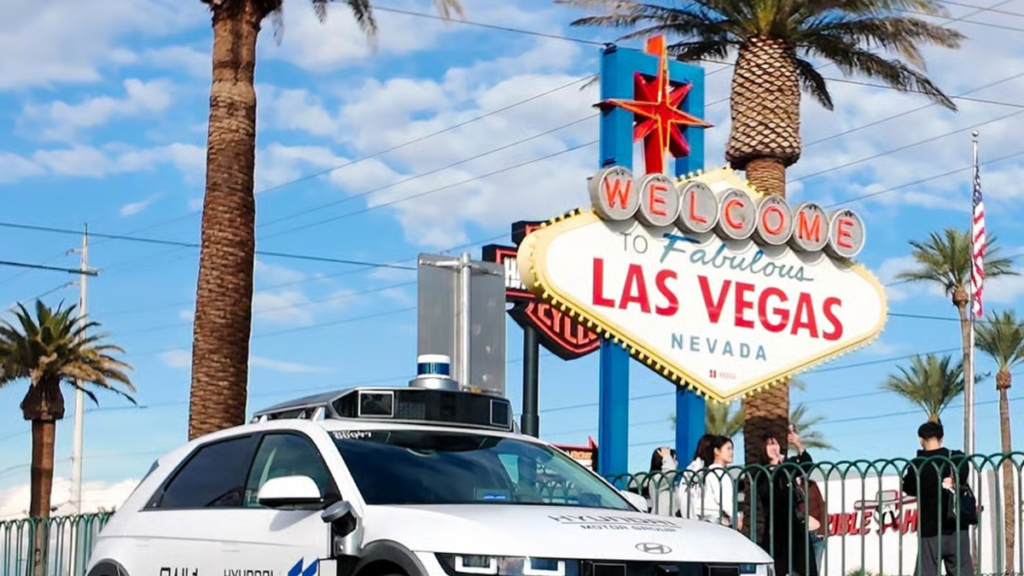
By eliminating this rule, federal regulators are clearing a major hurdle for purpose-built robotaxis. Vehicles like the steering-wheel-free Tesla Cybercab and Amazon’s Zoox have faced significant production limitations under current rules. For years, strict federal regulations forced automakers to include physical driver controls. These rigid design requirements even led General Motors to scrap its innovative Origin autonomous shuttle program entirely. Federal efforts are accelerating as regulators ease rules to advance autonomous vehicle technology nationwide.
Regulatory Revisions and Deployment
According to a recent report by Automotive News, these revised rules will apply exclusively to fully driverless models. Standard passenger cars with steering wheels will still require traditional physical pedals. The proposed update ensures that critical safety metrics will remain unchanged. Autonomous vehicles must still meet strict braking performance limits and rigorous stopping distance requirements. This regulatory shift aligns with ongoing momentum as lawmakers attempt to fast-track self-driving cars into commercial service.
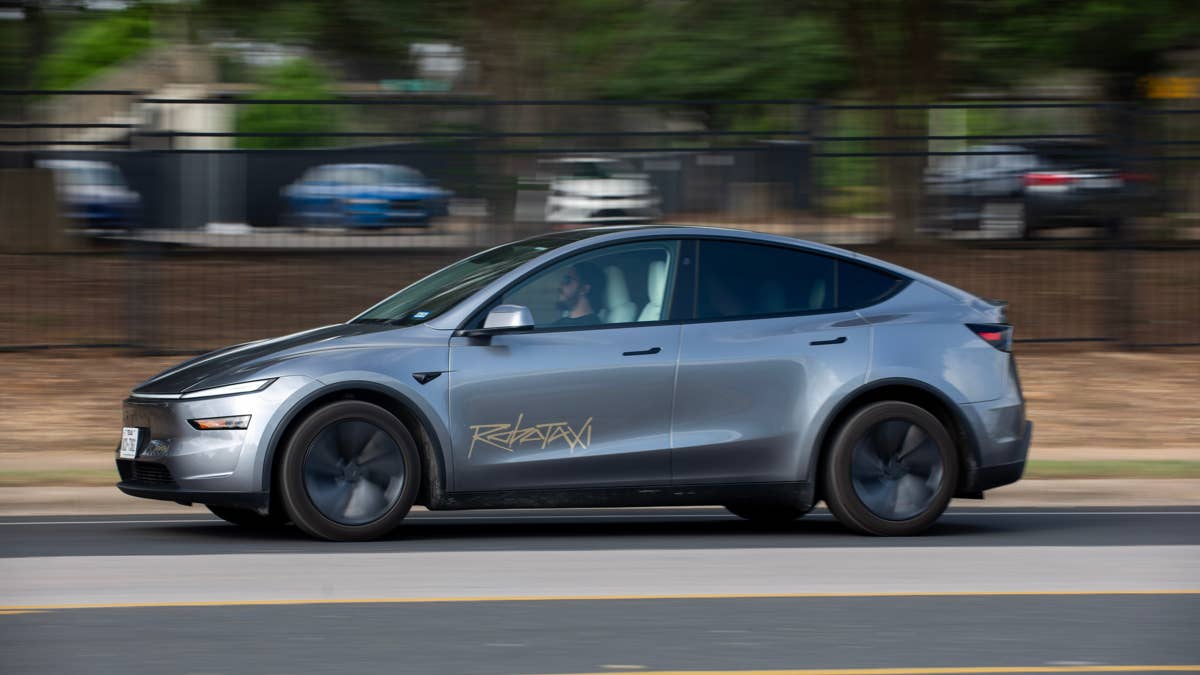
This development follows significant investments from key industry players who have long lobbied for a unified federal framework. Tesla recently initiated its robotaxi network in Texas cities like Austin and Houston using a small fleet of modified production vehicles. The company achieved this milestone after the Model Y successfully passed new federal driver assistance tests. At the same time, Alphabet’s Waymo continues to scale its commercial operations despite complex real-world challenges. For instance, recent reports show that Waymo robotaxis still struggle with construction zones on closed freeways.
The Lowdown, Hold Your Horses
Removing physical brake pedals marks a logical evolutionary step for genuine driverless cars. Keeping traditional pedals in a vehicle with no steering wheel or human pilot makes little practical sense. It creates a cluttered interior space and invites unnecessary passenger interference. If an autonomous system is capable of navigating complex traffic, it can manage braking digitally. The government must provide a clear runway for developers to design true, uncompromised robotaxis.
However, public trust and safety must remain the absolute priority for regulators. Engineering vehicles without physical backups demands flawless software performance. Removing controls prematurely could amplify existing safety anxieties among regular drivers. We must remember that a prominent Tesla robotaxi rival faces federal investigation after multiple accidents. The government must enforce strict oversight to ensure these pedal-free pods do not become public hazards.
Waymo