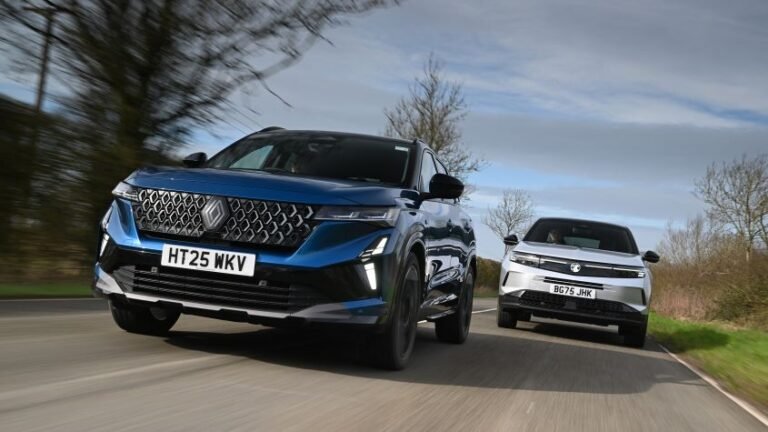
Pumping the Brakes on EVs
The European Commission is reportedly preparing to scrap the 2035 ban on new combustion-engine car sales – a more concrete move than the previous declaration from German Chancellor Friedrich Merz. It’s being shaped by pressure from automakers, particularly as U.S. import tariffs and intensifying competition from China have made selling EVs more challenging.
Speaking at a press conference in Germany, Manfred Weber, president of the European People’s Party (EPP) — the largest political group in the European Parliament — said, “Next Tuesday the European Commission will be putting forward a clear proposal to abolish the ban on combustion engines.” That said, the announcement will be made on December 16.
Mercedes-AMG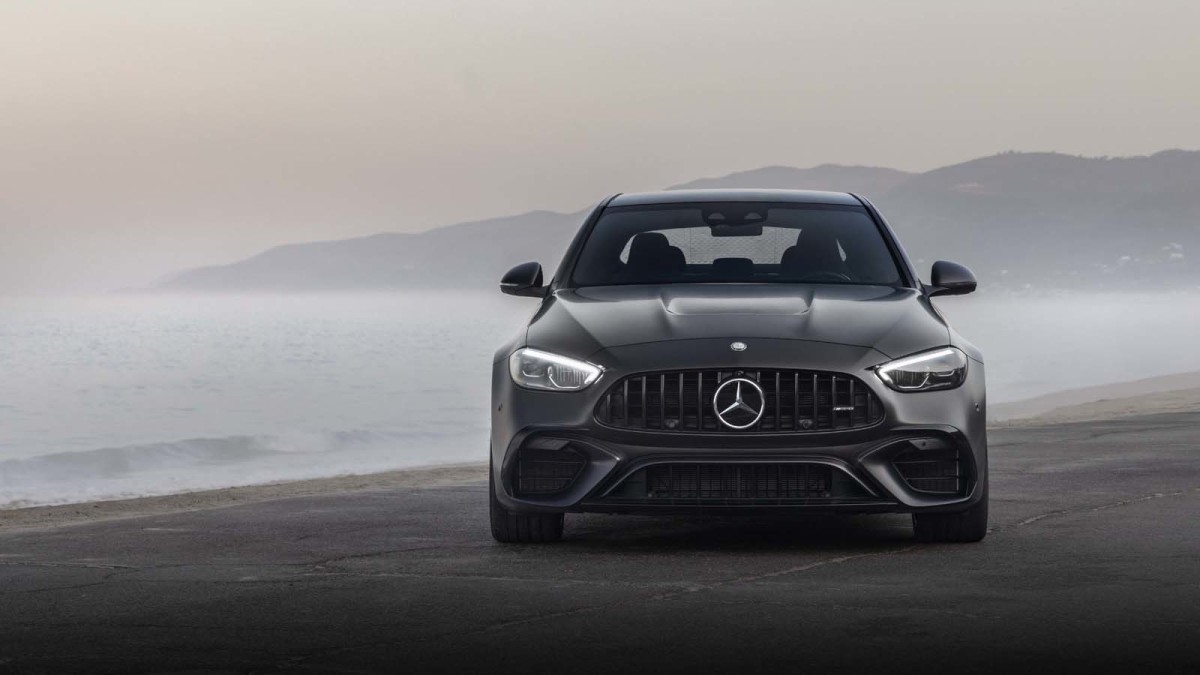
Munich and Stuttgart Smile
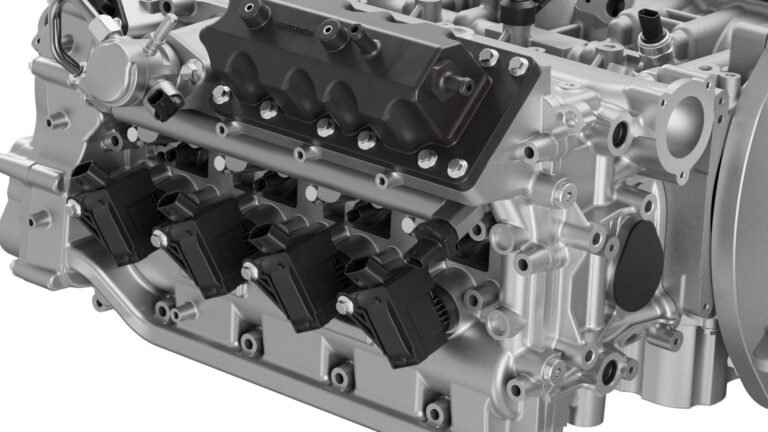
According to Reuters, the proposal would be a major win for Germany, home to automakers such as BMW and Mercedes-Benz. These brands continue to rely heavily on high-performance internal-combustion models like the BMW M4, which typically produce higher emissions than most mass-market vehicles. If the proposal is approved, enthusiasts may also have reason to celebrate, as many beloved performance models – like the Hemi V8-powered Dodge Challenger – have been discontinued in recent years due to electrification targets.
However, a reversal could prove costly for brands that fully aligned their strategies with the 2035 ban. Volvo, for example, once offered a wide range of powertrains, but committed to producing mostly electrified cars by 2030. If a key market changes course, companies like Volvo may be forced to rethink their long-term product plans yet again, potentially resulting in substantial financial consequences.
Meanwhile, Chinese EV makers are becoming increasingly competitive, offering advanced technology at relatively lower price points. BYD, in particular, has gained global momentum and even challenges Tesla in overall EV sales, with models like the Atto 3 gaining traction in Europe.
Tesla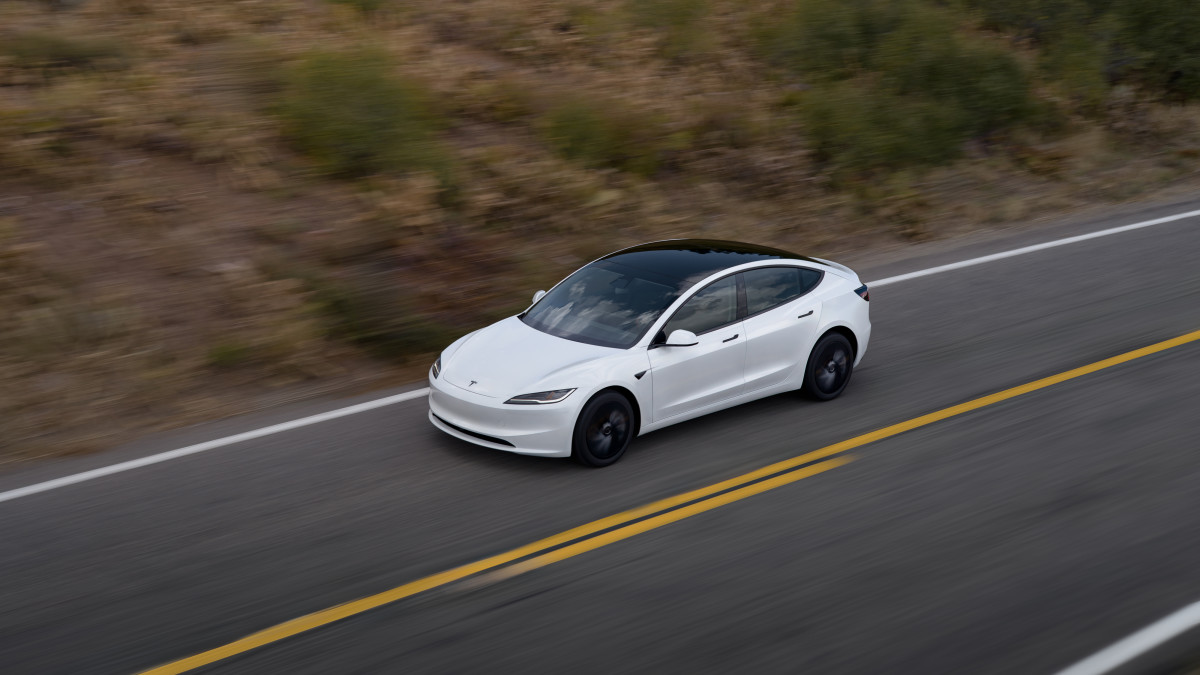
Climate Goals Stay on the Table
The proposal, however, would not abandon emissions goals altogether. Weber emphasized that the plan includes a target to cut vehicle emissions by 90% from 2035 onward – short of a full ban but still a significant reduction. He also ruled out the possibility of pushing for a total ban by 2040.
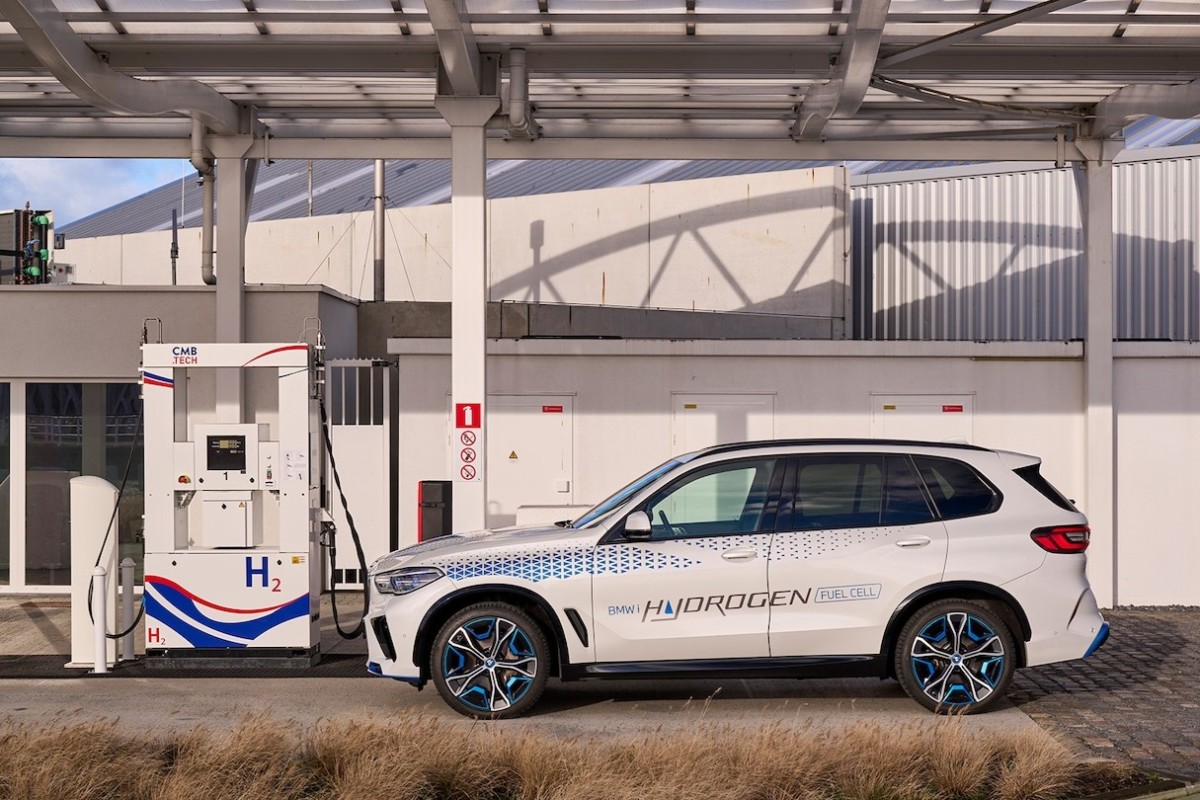
A future that is not exclusively EV-focused could reopen the door to alternative powertrains, echoing Toyota’s multi-pathway approach. Toyota has been cautious with EV adoption (the company only offers one EV model in the U.S. called the bZ), while investing heavily in hybrids and hydrogen fuel cells. German Chancellor Friedrich Merz, who has argued that EVs have yet to meet industry expectations, has also pointed to synthetic fuels, an area Porsche has actively explored.
Here in the U.S., there is no nationwide ban on combustion-engine vehicles, though states like California aim to mandate zero-emission new-car sales by 2035.