The Tire Tax of Going Electric
Electric vehicles offer several advantages over combustion-engine cars, including lower maintenance requirements due to fewer moving parts, a smoother driving experience thanks to the absence of engine vibrations and gear shifts, and regenerative braking that helps reduce brake pad wear. But apparently, their design could also cause tires to wear out faster.
According to Autocar, citing a report by analyst New Automotive, around 26 out of every 1,000 EVs aged three to eight years were found to have tire tread below the legal limit during MOT inspections in the UK, compared with 18 gasoline-powered cars. Additionally, 30 out of every 1,000 EVs had tire cuts exposing the cords, compared with 14 gasoline-powered cars. The findings were based on 1.6 million EV inspections and 17.9 million combustion-engine vehicle inspections.
The Weight of the Matter
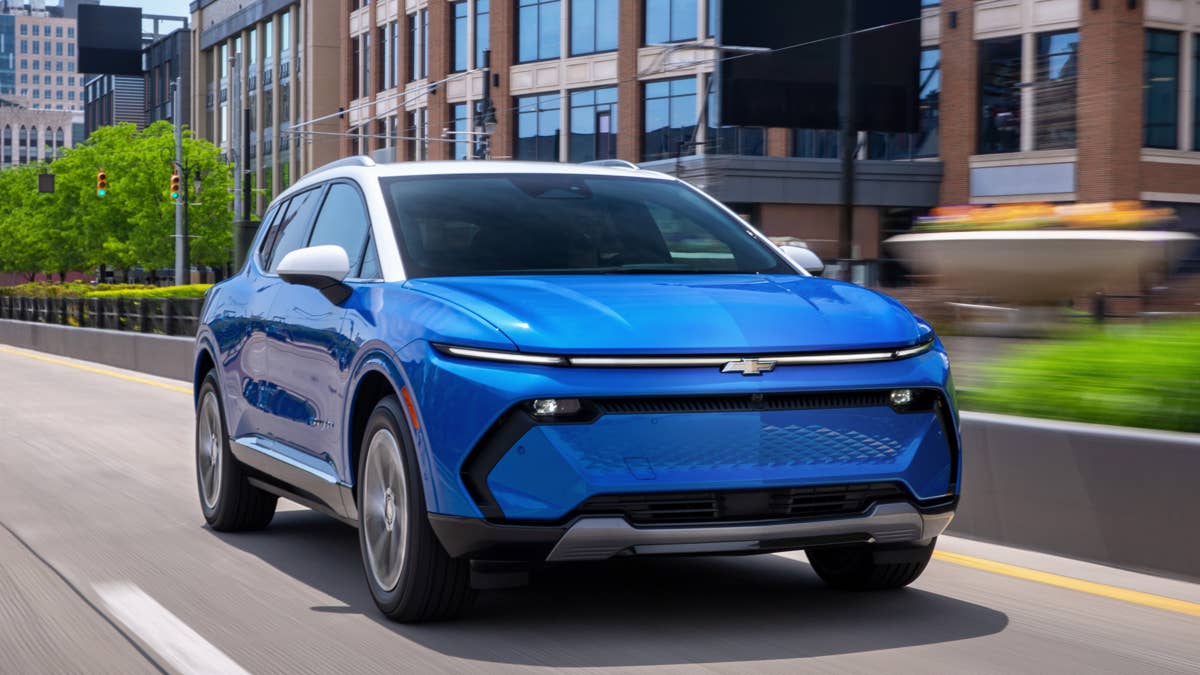
Some of the factors that may contribute to faster EV tire wear include their heavier weight, instant torque, and sometimes, neglected maintenance. Because EVs tend to be heavier than their ICE counterparts due to their batteries, the added weight can take a greater toll on the tires. Instant torque also puts greater force on the tires during acceleration, potentially causing the tread to wear faster.
The maintenance neglect may stem from EV owners overlooking tire inspections because their vehicles require less routine servicing. What’s more, specialized EV tires can be up to 50% more expensive than conventional tires. In the long run, that could be costly despite savings on oil changes and brake pad replacements. The British Tyre Manufacturers Association (BTMA) found that the tire failure rate for EVs is 6%, higher than 4.7% for diesels and 4.3% for gasoline-powered cars.
Despite EVs potentially wearing out tires faster, the report argued that this would not negate their generally lower lifetime greenhouse gas emissions.
Tread Carefully
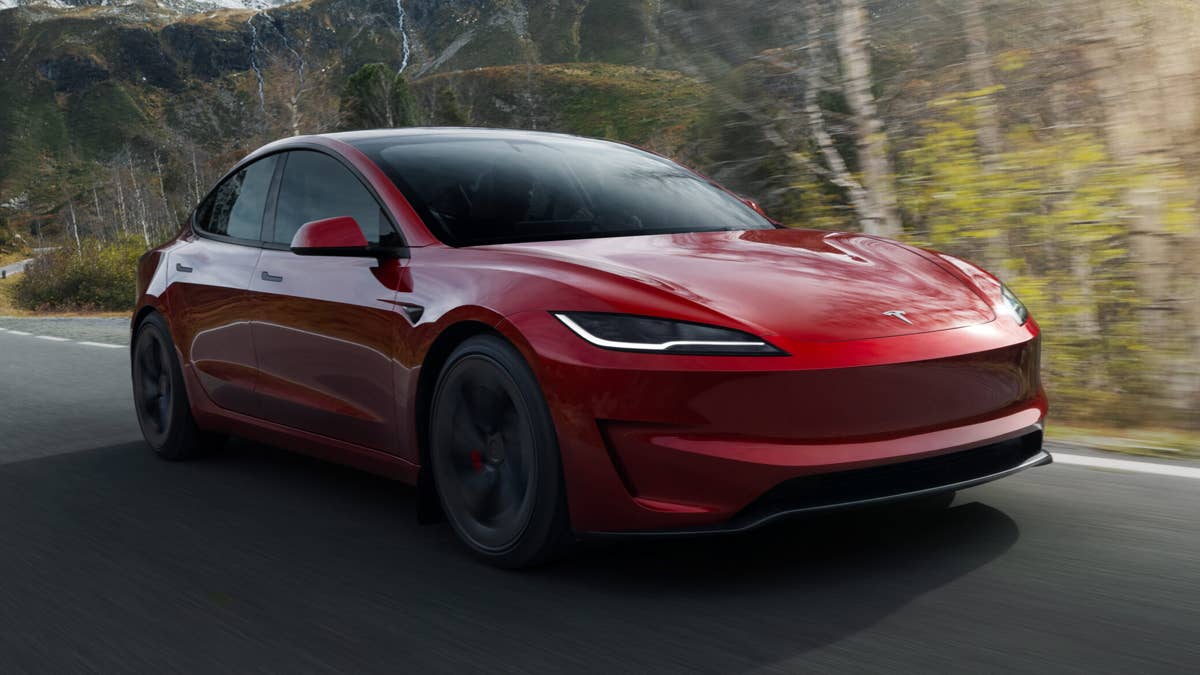
Given these findings, driving habits that could help reduce tire wear include being gentler with the throttle, especially in performance EVs like the Tesla Model 3 Performance, which can accelerate from zero to 60 mph in just 2.9 seconds. Owners should also avoid neglecting routine maintenance, despite the promise of a more convenient ownership experience.
While the UK is moving forward with plans to introduce limits on tire abrasion and brake-wear particles under Euro 7 standards, a related effort in the U.S. involves studying 6PPD-quinone. This toxic chemical forms when 6PPD, an additive used to prevent tire rubber from cracking and degrading, reacts with ozone in the air. The EPA has established a four-year action plan covering 2025 through 2028 to study the chemical and explore potential solutions.
Chevrolet