The Six-Figure Heist Happening in Broad Daylight
The auto industry has a massive, multi-million-dollar leak. Tech-savvy fraudsters are posing as legitimate transport carriers to steal some of the most expensive vehicles right out of dealership lots before they ever reach their final buyers. Cargo theft is getting dangerously sophisticated, costing the US and Canada a staggering $725 million in 2025 alone. That represents a 60 percent jump from the previous year.
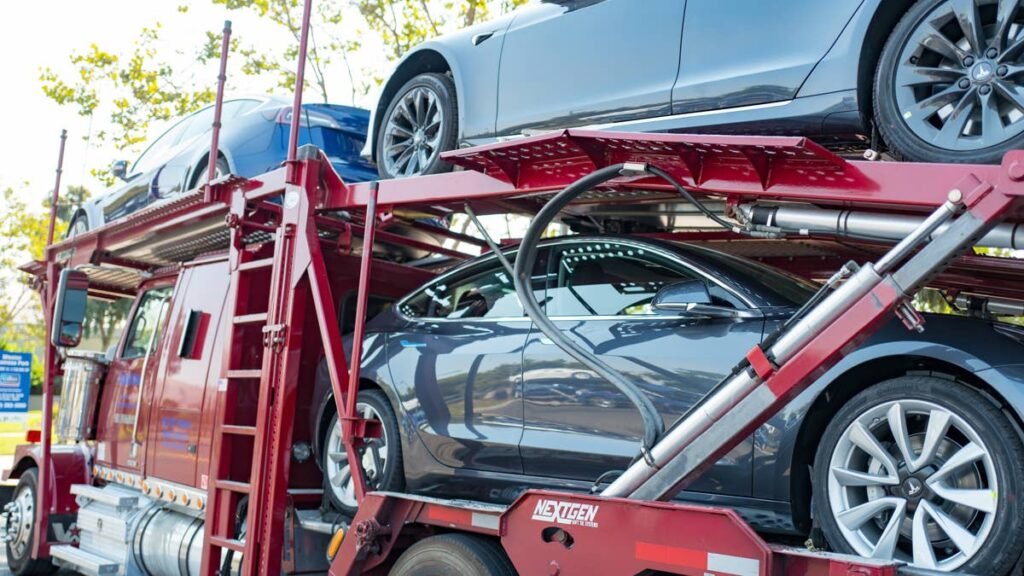
This is not your typical street-level crime where joyriders hotwire a sedan. These criminals specifically target luxury and exotic used cars slated for long-haul routes. The FBI has seen such a dramatic surge in these highly coordinated heists that its Philadelphia field office issued a formal warning to the transportation sector. While overall vehicle thefts may be shifting, this specialized cargo fraud is rapidly expanding into a highly organized criminal enterprise.
SeongJoon Cho/Bloomberg via Getty Images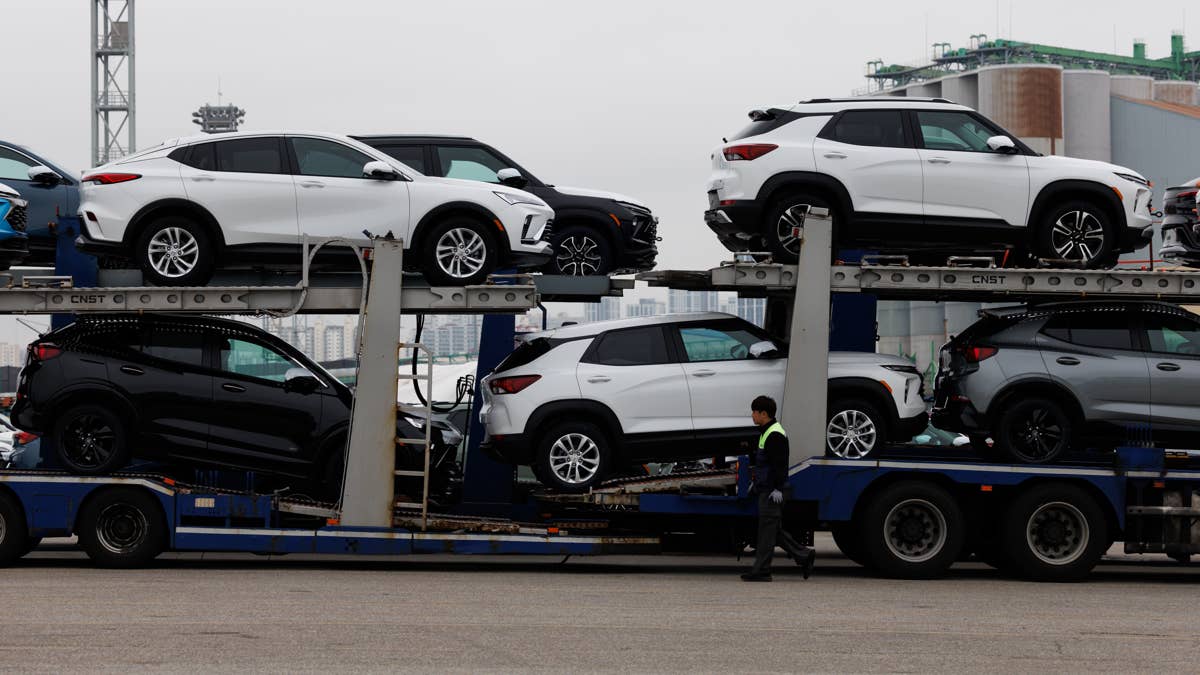
How Phantom Carriers Hijack the Supply Chain
According to a report from Automotive News, the scam relies entirely on digital deception and stolen credibility. Fraudsters create shell companies and acquire basic transportation credentials, such as Federal Motor Carrier Safety Administration numbers, to bid on freight jobs. To look even more authentic, they sometimes buy out retiring trucking businesses to inherit their stellar safety records and years of positive reviews. From there, they simply wait for a high-value load to hit a digital dispatch board.
In other cases, these syndicates use aggressive phishing tactics to trick legitimate carriers into handing over their login credentials. Once inside the system, they intercept pickup orders for luxury metal. This tactic has resulted in spectacular losses. In one recent case, a $171,562 Bentley Continental Flying Spur disappeared somewhere between Florida and Missouri. Other dealers have lost everything from rare Ferraris to high-end SUVs, with a six-figure luxury SUV vanishing during a highly anticipated delivery. The financial fallout frequently sparks bitter legal battles between the selling dealership and the broker.
The industry is scrambling to build better digital moats. Platforms like Super Dispatch now use location tracking to flag when a small carrier attempts to book simultaneous loads across the country. Cox Automotive recently rolled out mandatory biometric identity verification for its Central Dispatch users. Yet these high-tech safeguards mean nothing if the physical handover fails. We recently saw a case where an ultra-rare German off-roader was stolen right out of the supply chain, highlighting the desperate need for strict physical compliance on the ground.

The Reality Check for Modern Car Dealers
Dealerships need to wake up and realize that convenience is currently their biggest liability. The rush to get a sold vehicle off the lot quickly is blinding sales managers to the blatant red flags pulling up to their loading bays. Digital security upgrades from transport platforms are absolutely necessary, but they only solve half the equation. A biometric scan on an app does not stop a thief who shows up in person with a fake bill of lading and a confident attitude.
The ultimate fail-safe is stubbornly analog. Store managers must mandate that their staff verify physical commercial driver licenses and match transport company details before tossing the keys to a stranger. Slowing down the logistics process might frustrate buyers waiting for their dream cars, but a slight delay is infinitely better than having a six-figure asset vanish into the criminal underworld. The technology will keep evolving, but old-fashioned skepticism remains our best defense.