Ford recently announced its Universal EV Platform. The new architecture will underpin future Ford EVs and aims to reduce costs while providing electrified alternatives to consumer favorites like the Toyota RAV4. In a recent interview with The Verge, Ford CEO Jim Farley shed a little more light on this RAV-fighter, but the vehicle doesn’t seem to be taking the form anyone thought it would.
Ford’s Truck Thing Is Starting Outside The Box
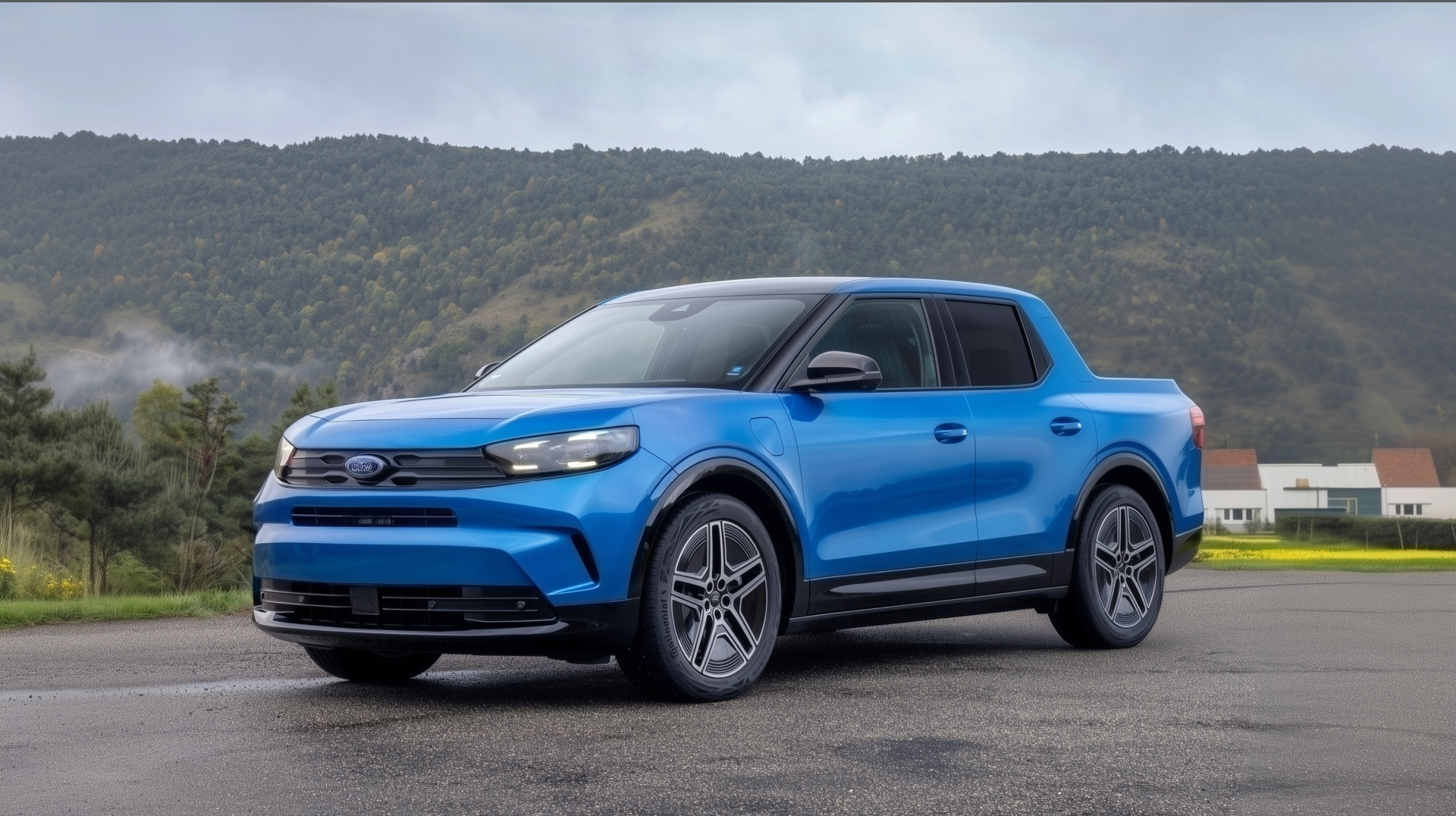
Cole Attisha Using Midjourney 7.0 & Gemini 2.5 Flash Image
Farley revealed that the new vehicle is going to take something of an unlikely form. The CEO says the vehicle will be a “pickup,” but “not really. “What I mean by that is that it has more room than a RAV4, the best-selling passenger car in the US. That doesn’t include its frunk and pickup truck bed. It is very fast, it’s rear-wheel drive, it’s super fun to drive…”
Farley also touched on the tech coming to the EV, saying it provides a digital experience that “no one’s seen — at least that we’ve seen — even in China.” He added that this first truck-ish thing is going to be “something that has not been offered in the US or anywhere else to date,” and will be “quite revolutionary.” Farley insisted the new vehicle will arrive in 2027.
Chinese Competitors Have Ford Worried
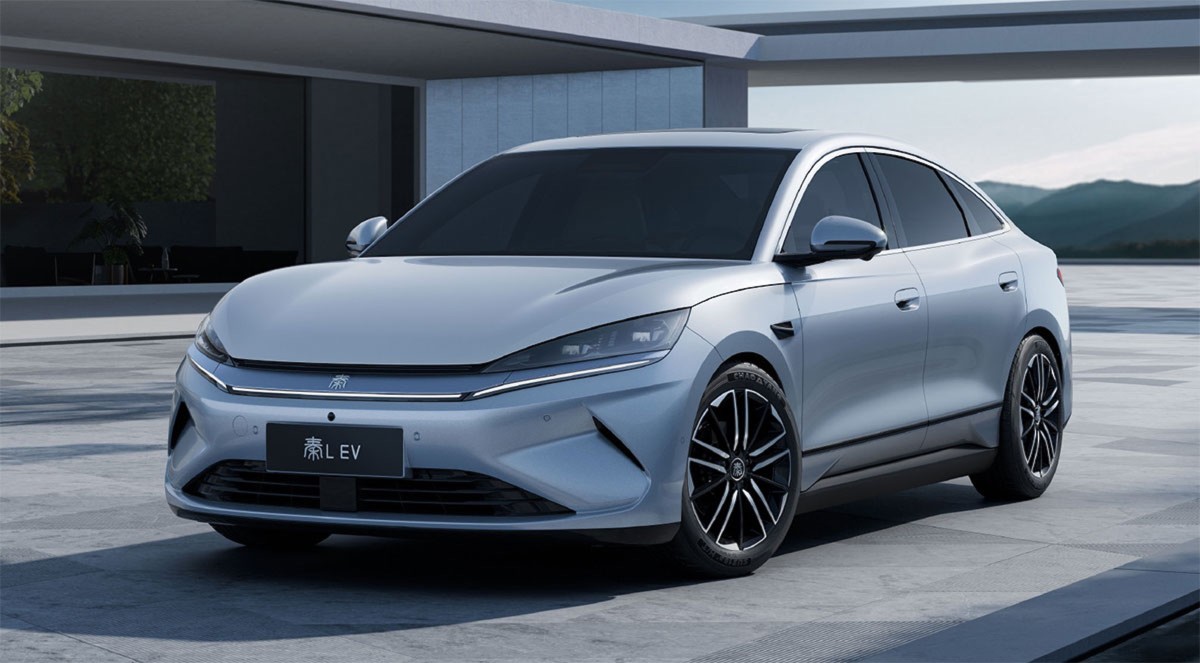
Despite how strong the CEO’s feelings are about the company’s supposedly revolutionary truck thing, Chinese auto development still has Ford concerned. When asked, Farley said this: “The competitive reality is that the Chinese are the 700-pound gorilla in the EV industry. There’s no real competition from Tesla, GM, or Ford with what we’ve seen from China. It is completely dominating the EV landscape globally and more and more outside of China.”
The biggest reason for that is cost. China is able to innovate at lower costs than other automakers elsewhere. Ford’s $30,000 truck thing might be revolutionary and cool for the US market, but in a greater context, it’s still just a drop in the bucket. As Farley puts it, “Everyone’s going to have affordable EVs.” Chinese automakers are massively subsidised at a time the federal government is stripping away subsidies for automakers as it shifts towards a more insular and xenophobic trade policy. In the long run, it could mean automakers are left to fend for themselves against this “700-pound gorilla.”