Pop Up Love
If there’s one automotive trend and design feature loved by almost everyone, it’s the pop-up headlights. Often regarded as one of the coolest features ever invented for cars, it is clamored for by most car lovers and fans.
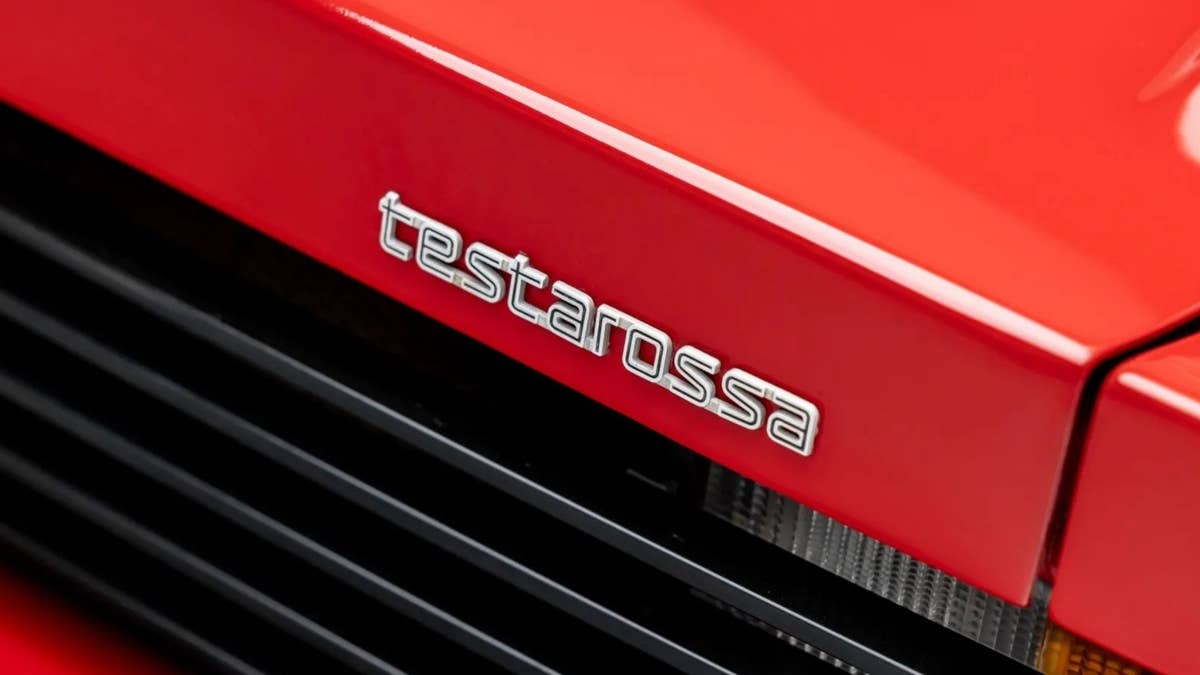
Some of the most iconic car designs of all time are closely associated with the pop-up headlights. Off the top of our heads, we remember the original Mazda Miata, the original C2 Chevrolet Corvette Stingray, and the original Ferrari Testarossa. The latter recently enjoyed a surprise revival, and it has come to light that it almost got the iconic headlights.
Ferrari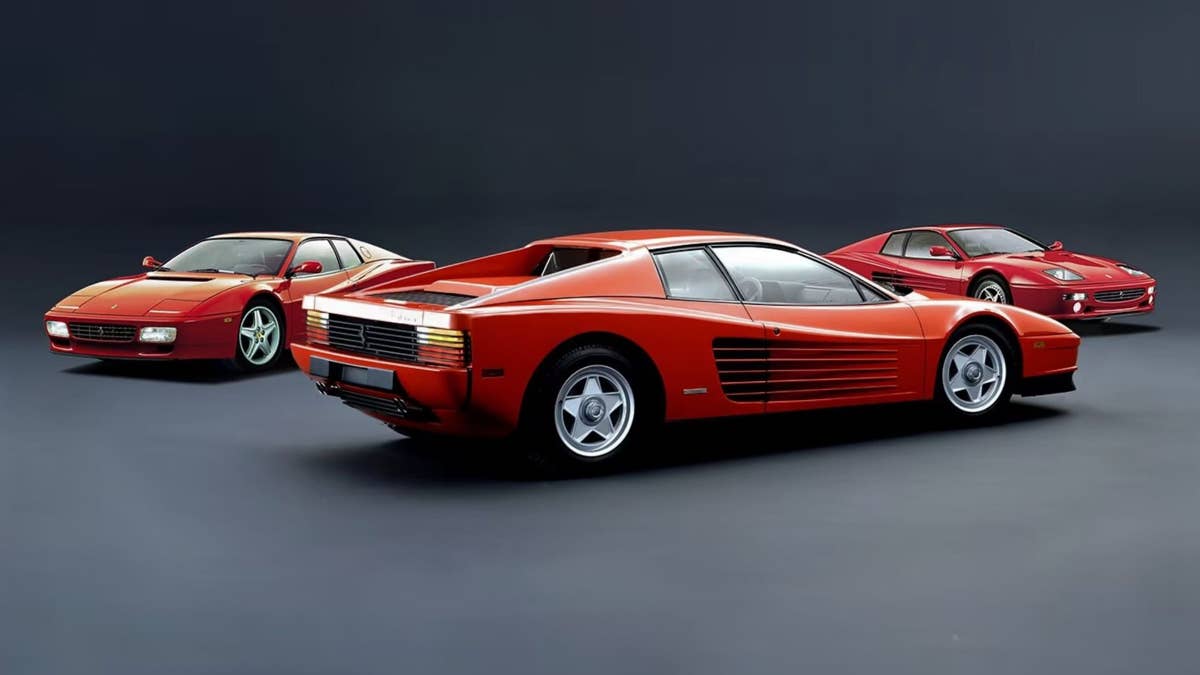
Almost but not quite
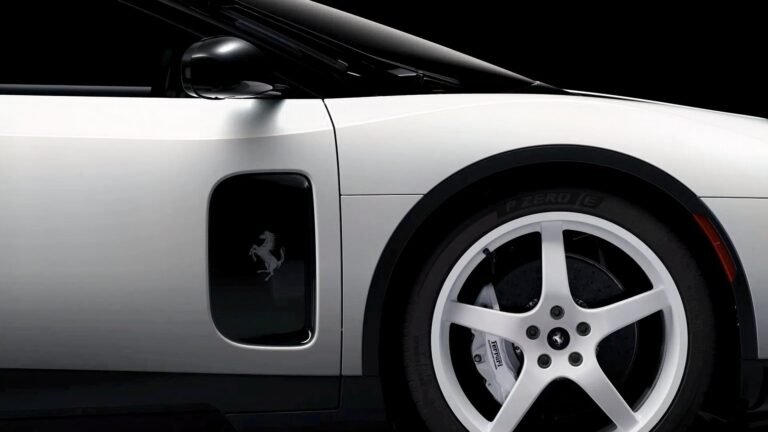
As reported by Car Expert, when Ferrari was working on the new 849-generation Testarossa, they were seriously considering integrating pop-up headlights, an integral design cue of the original model. Jason Furtado, one of the lead designers of the project, confirmed during an interview that the team was studying Ferrari’s concept and production cars from the 1970s, 1980s, and 1990s for the 849 Testarossa. Specifically, the team looked at the 512 BB, 288 GTO, F355, and the legendary F40, cars that all became iconic because of the pop-up headlights.
Ultimately, as we now know, the project went ahead without the inclusion of the iconic headlights. According to Ferrari, modern safety and homologation regulations ended up forcing designers to go in another direction. Making things difficult was that the 849, if included with the headlights, would need to pass not just one set of safety regulations, but would need to be accredited in every country it would be sold in, like China and the U.S. Both of these countries follow different sets of rules, which would have been time-consuming and costly for Ferrari.
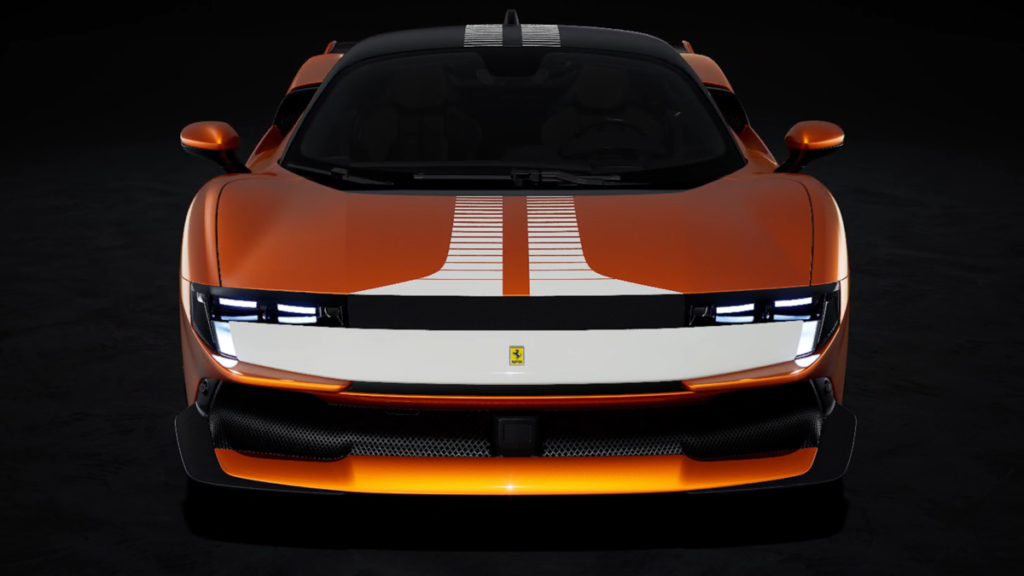
In the end, Ferrari still chose to give a nod to the pop-up generation by fixing the headlights into the narrow black bridge featured at the very front of the car. Ferrari says that this is an intentional homage to the headlights of the 288 GTO.
Ferrari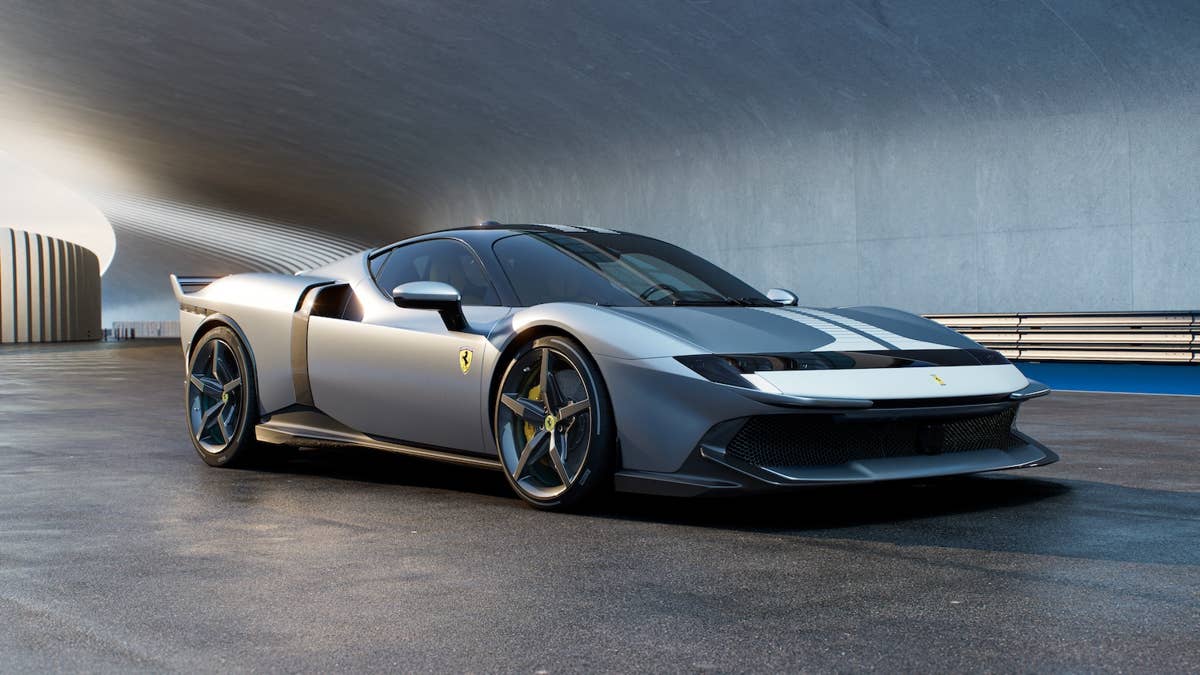
Pedestrian Safety
Pop-up headlights were first used in a production car as far back as 1936 in the Cord 810. It was first conceived as a design feature with aerodynamic applications. There are multiple reasons why the technology no longer exists: advancements in lighting and aerodynamics, and mechanical unreliability.
However, the most prominent reason for its extinction lies in safety regulations. Safety boards the world over haven’t just improved in-car safety, but have also regulated pedestrian safety. The problem is that when pop-up headlights are in use, in the event of an accident, they become sharp, protruding objects that could seriously injure a pedestrian.
Bring a Trailer