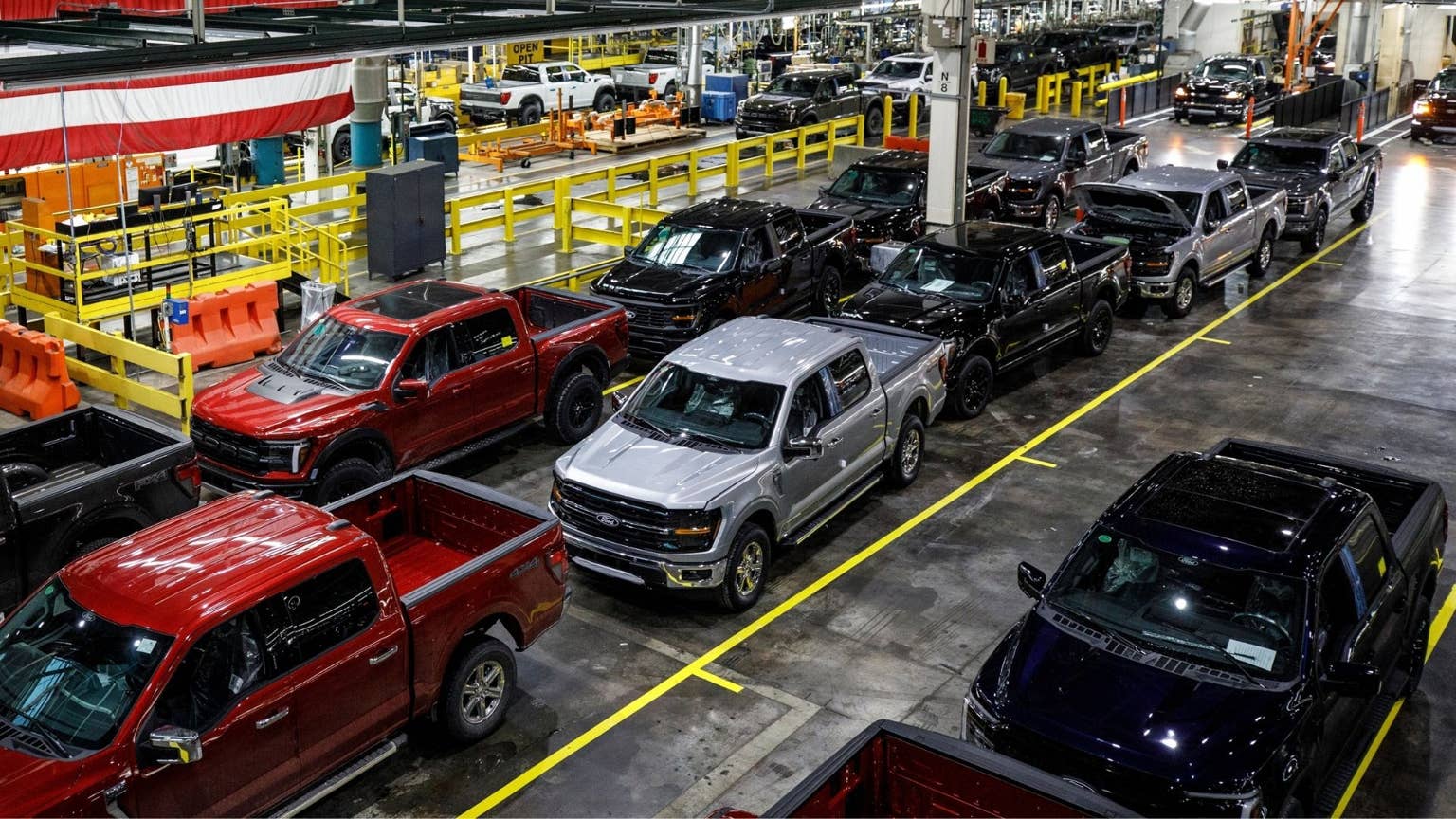
Ford is getting into the spacecraft business again, and this time it wants to bring the assembly-line approach that helped build millions of cars to orbit. The automaker has agreed to make a minority investment in Revolution Space, a U.S. space systems contractor, with plans to help industrialize production of its next-generation spacecraft.
The investment is being made through Ford’s Industrial Platform LLC subsidiary. Neither company disclosed how much money is involved, but the partnership goes beyond financial backing: Ford intends to contribute its design, engineering, manufacturing, and supply-chain expertise to help Revolution Space build spacecraft at a larger scale.
Ford Wants To Make Spacecraft Like It Makes Cars
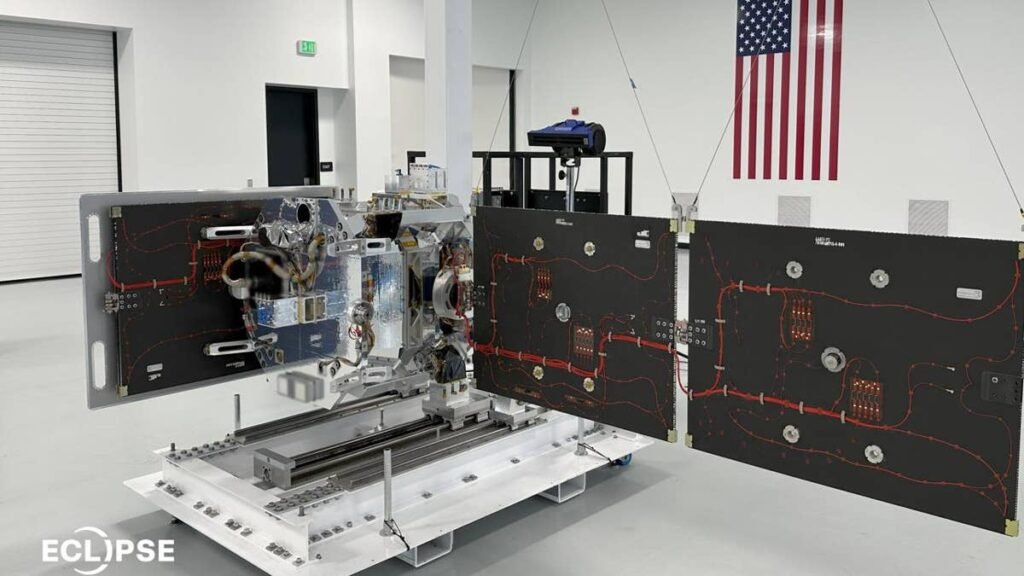
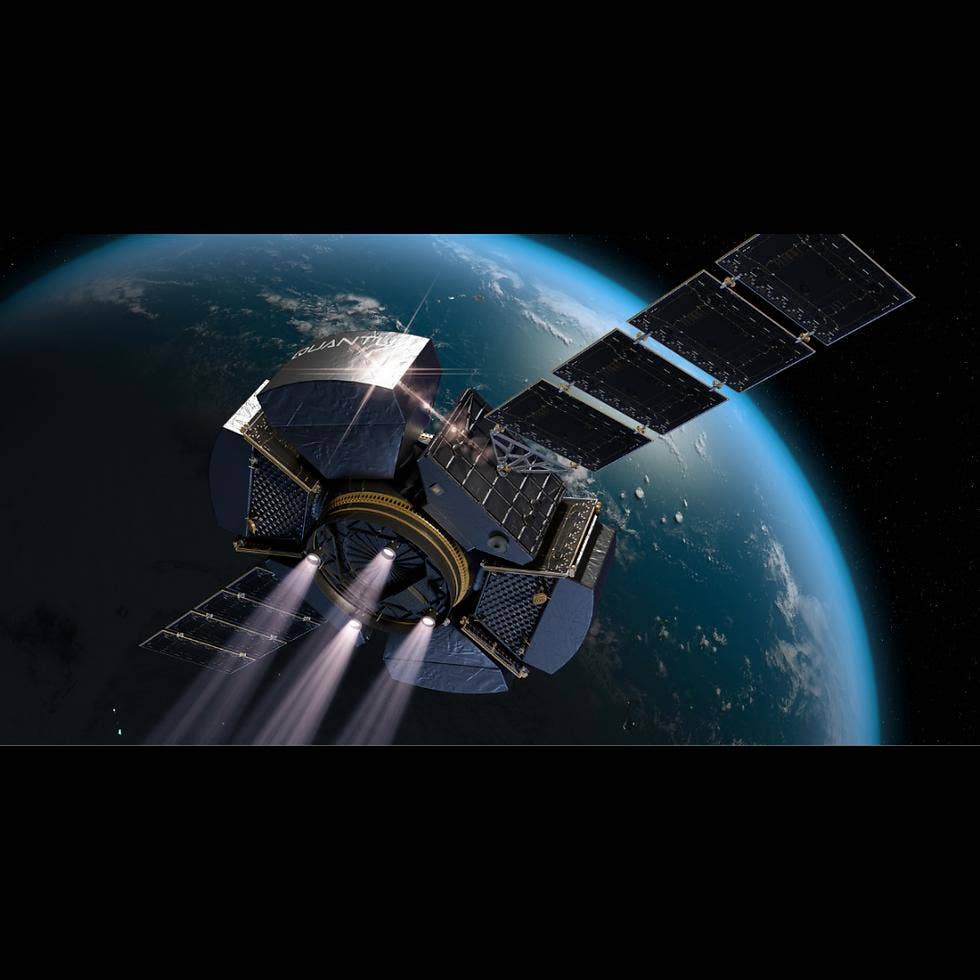
Revolution Space develops advanced space systems and propulsion technologies designed to provide precise control and maneuverability in orbit. Its spacecraft are intended to support missions involving communications, navigation, Earth observation, and other applications.
The companies say satellite production is moving away from individually assembled spacecraft toward repeatable, higher-volume and increasingly automated manufacturing. That’s where Ford believes its experience could offer an advantage.
The partnership is expected to support missions across a range of orbital environments, from very low Earth orbit to geosynchronous orbit, cislunar space and potentially beyond. The specific spacecraft involved, production targets and timeline haven’t been announced.
Ford’s investment also reflects a wider strategy to find businesses beyond traditional vehicle manufacturing. The automaker is looking for opportunities in industries with growth potential and less exposure to the cyclical nature of car sales.
Ford
This Isn’t Ford’s First Trip Into Space
The Blue Oval has some aerospace history. During the 1960s and 1970s, Ford manufactured communications and weather satellites for NASA, the military and NATO. In 1976, its aerospace division won a $235 million contract to build seven communications satellites for INTELSAT.
Ford is now returning to a market that could be significantly larger. The World Economic Forum estimates the global space economy could grow from approximately $600 billion today to $1.8 trillion by 2035, with satellite manufacturing playing a major role.
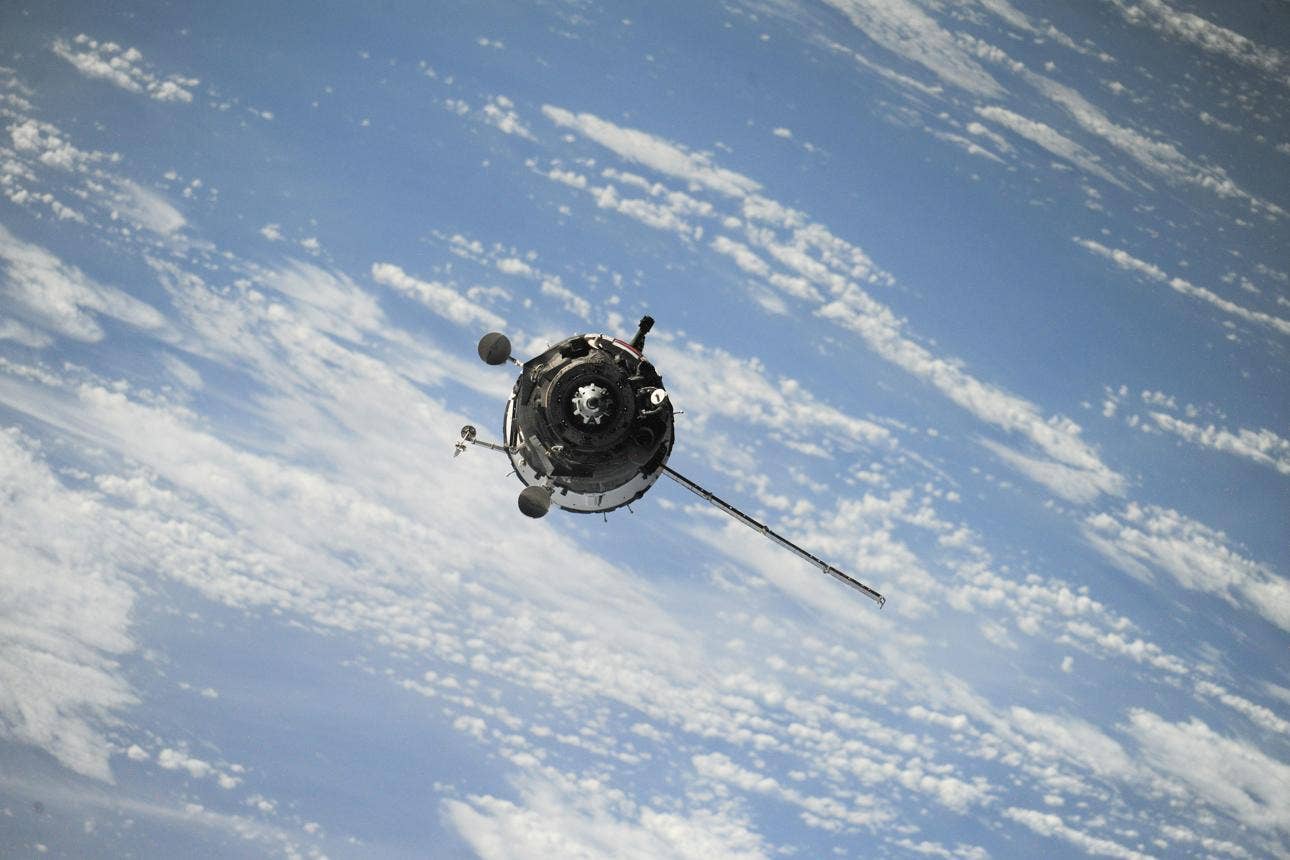
The move comes as automakers increasingly look beyond cars for new business opportunities. Ford’s manufacturing expertise could prove valuable as spacecraft production becomes more industrialized, but the company is entering a sector where precision, reliability and the ability to operate in extreme environments are every bit as important as production volume.
For now, Ford isn’t announcing a new spacecraft bearing its own name. It’s betting that the skills used to build vehicles at scale can help another company build the next generation of machines that leave Earth.