Ford has already issued 75 recalls in 2026 (and counting), more than any other automaker, and that follows a record 153 recalls in 2025, nearly double the previous record of 77 set by General Motors in 2014. After NHTSA fined Ford $165 million in November 2024 for handling recalls too slowly, the second-largest penalty in NHTSA’s history after the Takata recall, the company came under outside oversight. Ford is not taking any chances, aiming to improve quality through stringent recall practices, which seems to have paid off in the short term. But it looks like it can’t keep up with the actual fixes.
Ford
Ford Takes Bronze For Slow Fixes
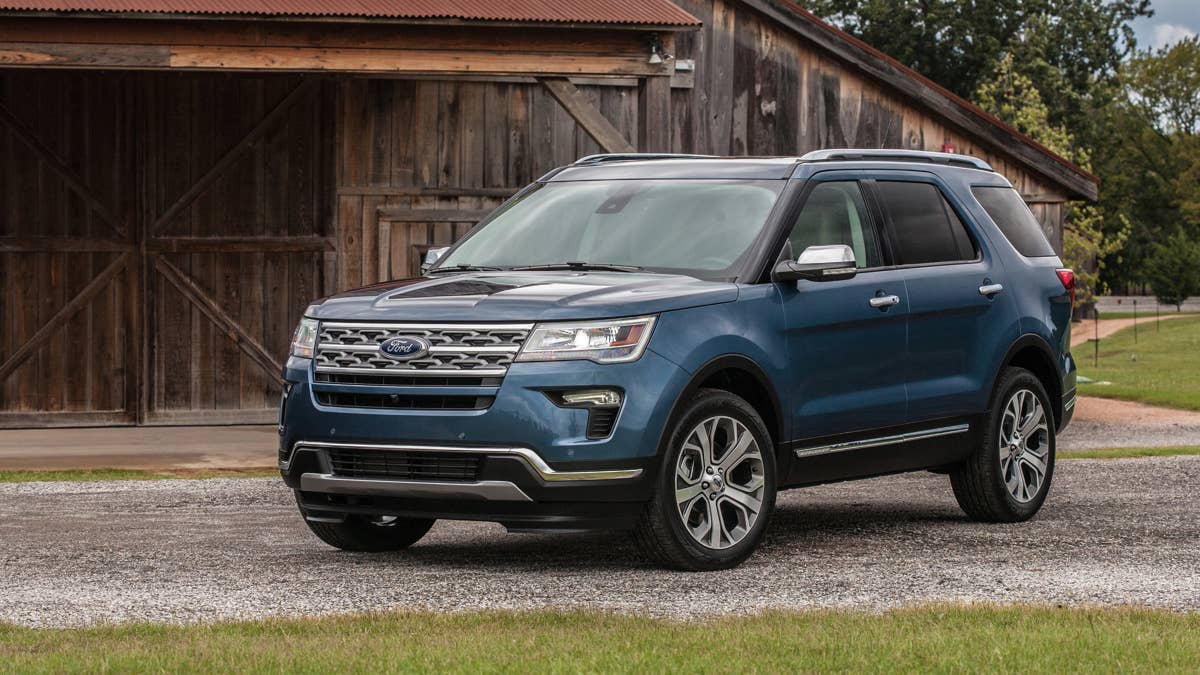
Speed certainly appears to be Ford’s stumbling block. Hearn data for 2021 to 2025 puts Ford’s average at 174 days to fix a recalled issue, while Nissan leads with 299 days and Stellantis (Fiat Chrysler Automotive) at 225 days. That said, Nissan has only issued 13 recalls this year, which means its recalls, though potentially long to fix, affect far fewer customers. Not every recall falls into the long-fix category, though. 16 Ford recalls were fixed via over-the-air software updates between January 2025 and June 2026. Some, like the recall affecting nearly half a million Ford Explorers for detaching door trim, was announced in June 2025 and no remedy is expected till November 2026, a wait of 514 days.
Ford
Ford Disputes The Math As Fixes Get Stuck On Repeat
Ford says the findings from the Hearn report are misleading, since it inflates the numbers by leaving out recalls resolved within 60 days. This means the average of 174 days to issue a recall fix corresponds to the hard fixes, not the easy ones, which would bring that average down to a less sensational figure. The longer wait accounts for redesigning parts or retooling production lines to produce parts for out-of-production cars.
Unfortunately, the hard recall fixes are the ones owners will remember. About 27 percent of Ford’s 2025 recalls covered vehicles already recalled with failed fixes, including software updates that were incorrectly reported as complete when the install had in fact failed. Ford also hired back about 300 veteran engineers after conceding its AI-powered quality checks are only as good as their training. Ford’s recall numbers hit sky-high levels with the shift to AI-quality checks, so there’s clearly a correlation worth mentioning there.