The Real Cost of Firing Human Expertise
Ford just achieved a massive milestone by claiming the top spot in the JD Power initial quality ranking for mainstream automakers. This long-overdue victory follows 16 years of painful quality struggles. However, reaching this peak required the company to admit a major operational blunder. Executives recently revealed that the automaker relied far too heavily on artificial intelligence for vehicle design. In its rush to modernize, Ford pushed out the very people who knew how to build reliable cars.
The root of the problem came down to a profound misunderstanding of technology. In an article from The Verge, Charles Poon, Ford’s vice president of vehicle hardware engineering, admitted the error during a recent media briefing. The company mistakenly believed that feeding design requirements into an AI system would automatically generate high-quality products. They ignored the fact that algorithms require pristine data and human guidance. Crucially, Ford lost seasoned engineers before their decades of institutional knowledge could be transferred into the software, leading to a massive spike in vehicle recalls.
Automakers Trapped in the Tech Cycle
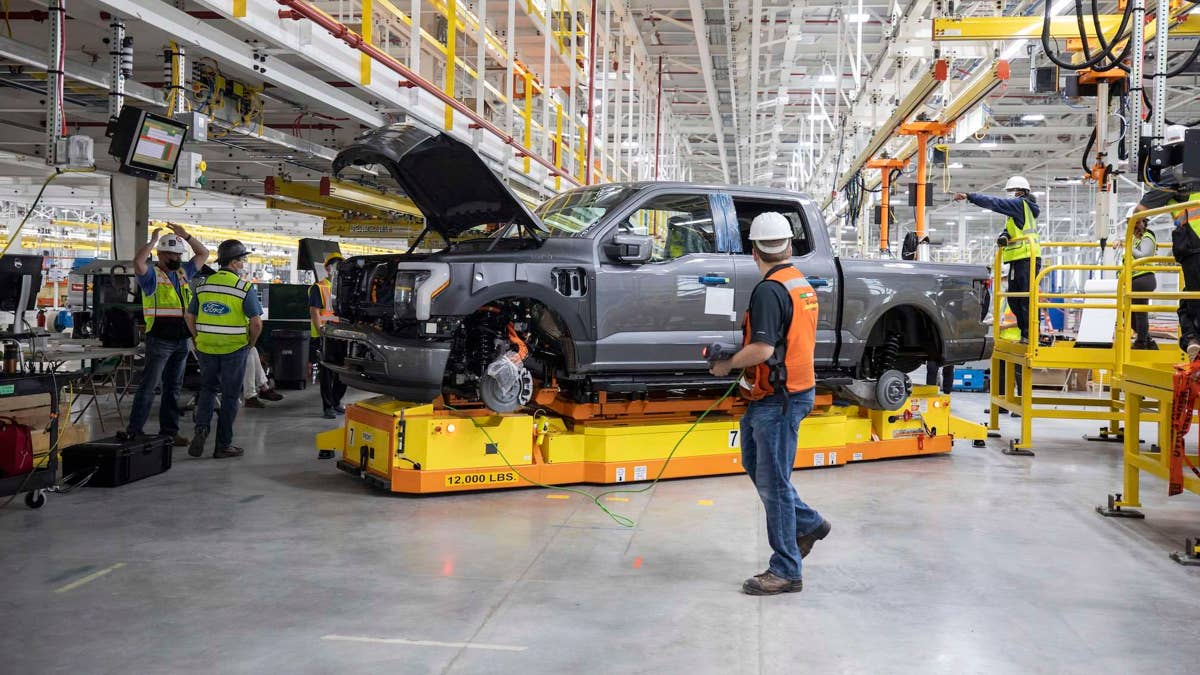
Ford is not the only company learning this hard lesson about balancing manpower with automation. The entire automotive industry has spent years shifting away from human labor in pursuit of tech efficiency. For instance, General Motors took a drastic approach when GM cut 1,000 workers at its EV plant to replace them with automated machinery. EV startups have also struggled with this balance, resulting in painful course corrections like when Rivian dropped hundreds of employees to streamline its balance sheet.
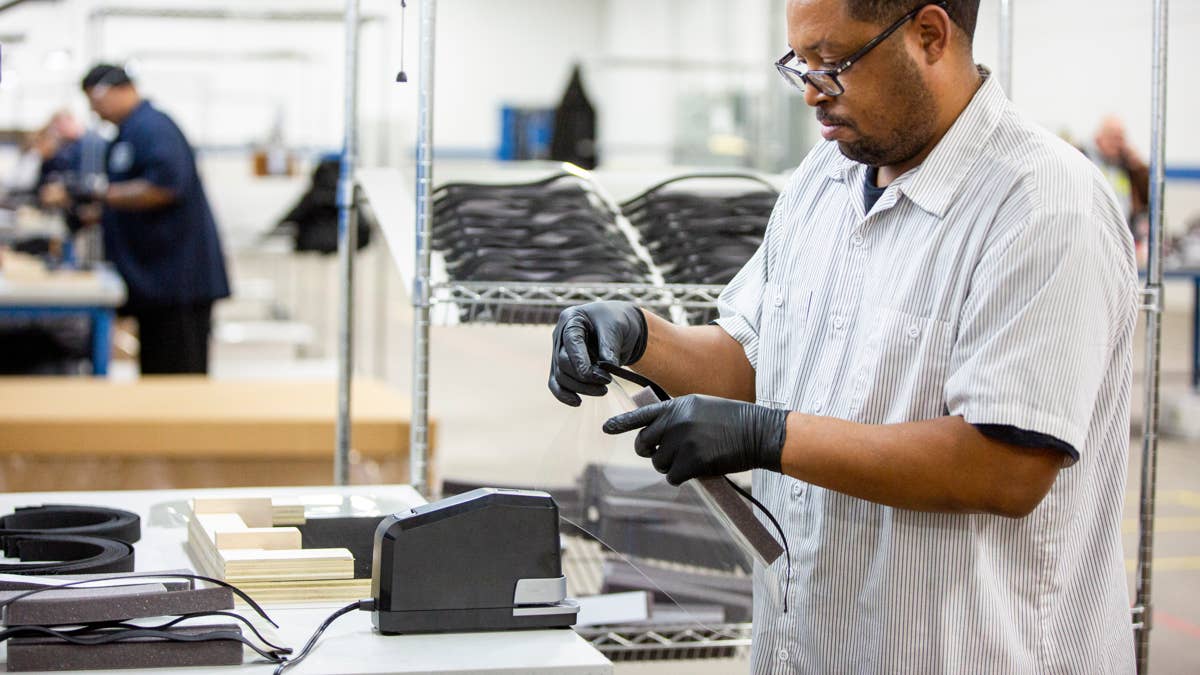
To fix its quality drop, Ford brought back over 350 veteran engineers to mentor younger staff and correct flawed automation data. This pivot mirrors similar labor trends across Detroit. A notable example occurred when GM shifted to energy storage and brought back 700 workers to staff its facilities. Automakers are gradually realizing that completely purging human expertise creates an expensive operational void that software cannot fill.
Ford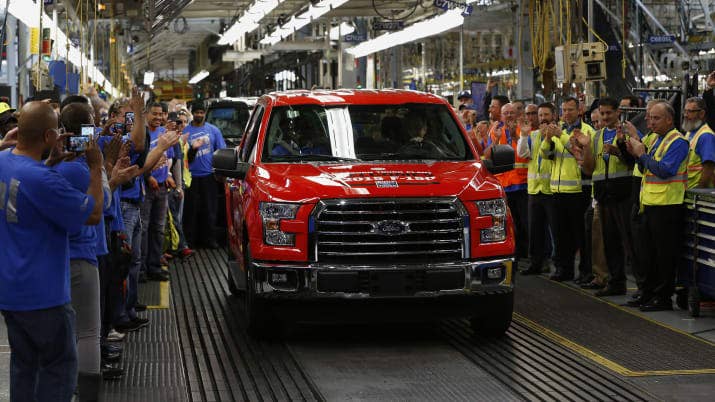
Algorithms Still Need Adult Supervision
We hear a constant drumbeat that artificial intelligence will revolutionize every single aspect of the automotive industry. Ford’s recent quality crisis proves that this modern tech narrative is deeply flawed. Algorithms are efficient and capable of running millions of validation tests in seconds. Yet they lack the intrinsic intuition that a veteran engineer develops after decades on the factory floor. When executives replace human instinct with unsupervised code, the result is usually a record-breaking string of safety recalls.
Ford deserves credit for recognizing its blind spot and bringing the adults back into the room. AI remains a powerful tool for the future of transportation, especially as cars become rolling computers. However, it makes for an incredibly poor substitute for genuine human experience. If other automakers want to improve their quality metrics, they must watch this costly lesson. You cannot write a software patch to fix a fundamental lack of human engineering expertise.