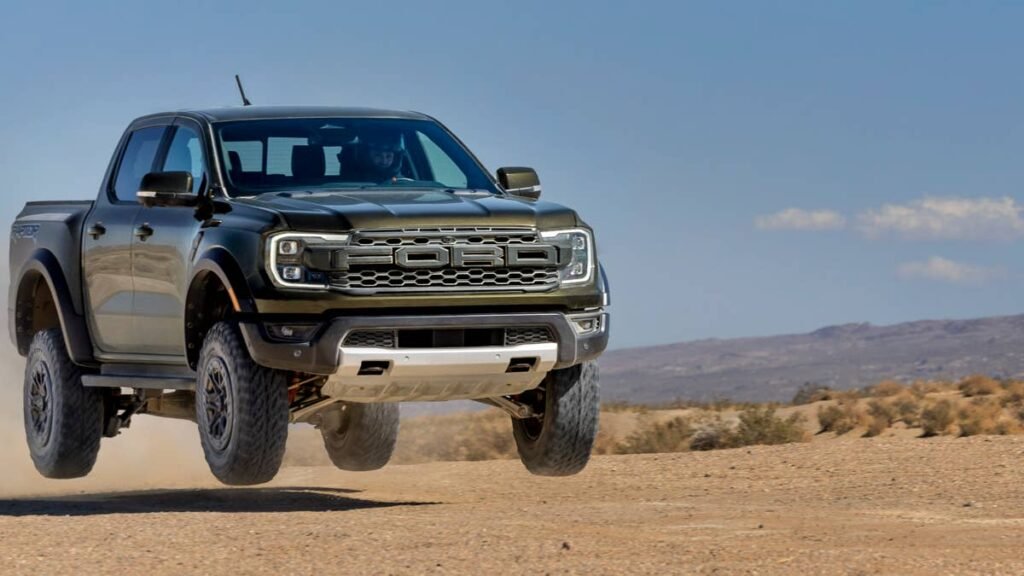
Ford is changing the way it develops vehicles, relying increasingly on advanced digital simulators instead of traditional real-world testing. According to the automaker, its virtual testing systems can now complete months of development work in a single day, allowing engineers to evaluate far more scenarios faster than ever before
Derived From Motorsport Technology
Ford
Ford Vehicle Dynamics Core Methods and Simulation Supervisor Louis Jamail says the idea for the simulator program originated in the company’s motorsport division, where virtual development has long been used to improve race car performance. After working closely with a racing simulator program during his time with Ford Racing, Jamail realized the same technology could also transform the way Ford develops road cars.
Jamail and his team eventually adapted the concept for everyday vehicles, including models like the Ford F-150 and the Ford Bronco. Ford officially launched its Product Development Simulator program in 2020, and it has since expanded internationally. Engineers can now digitally recreate everything from highway commuting to emergency avoidance maneuvers and extreme off-road driving conditions.
The Benefits Of Digital Testing
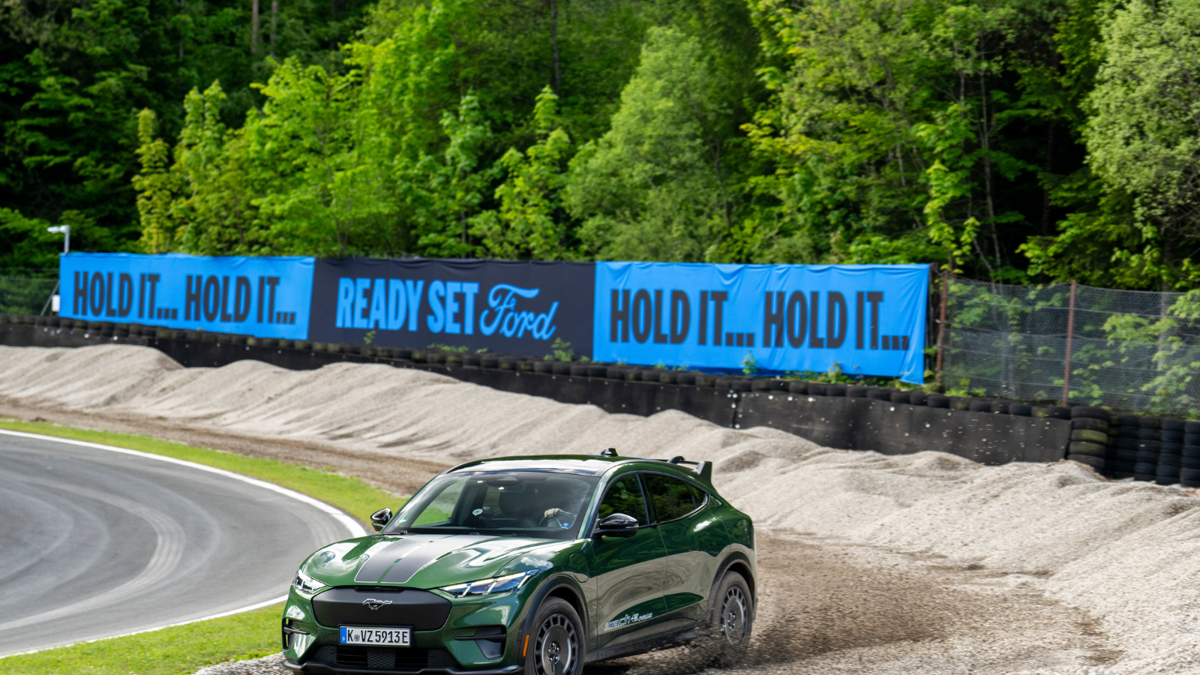
There are two major advantages to digital simulations: efficiency and consistency. Since everything happens virtually, engineers can test multiple conditions back-to-back without transporting vehicles between locations. Ford says the simulators can run “ten times as many tests in a tenth of the time.” The system also cuts costs as there is no need for repairs or maintenance.
Consistency is another major benefit. In the real world, changing weather conditions and road surfaces make it difficult to repeat the exact same test twice. These digital simulations can even create impossible real-world conditions, like perfectly flat roads, and allow Ford engineers to control every variable precisely. Ford says all simulator results are still validated against real-world testing to ensure the virtual data accurately reflects actual vehicle behavior. That said, certain evaluations will require physical testing regardless of how advanced simulations become, such as Euro NCAP crash safety tests.
Faster Testing Could Improve Reliability
Ford
Ford’s simulator ecosystem is now being used for several programs, including development work tied to advanced driver assistance systems such as Ford BlueCruise. These simulations also allow engineers to isolate specific vehicle characteristics like steering feel, braking response, suspension tuning, and engine longevity. Over time, that could help Ford improve vehicle quality and reliability as well.
Improving reliability remains an important focus for the company, particularly as the Bronco’s reliability scores, according to Consumer Reports, have remained mostly in the 30 to 40 range out of 100 in recent years. While digital simulations are unlikely to replace traditional testing entirely, this technology will help engineers run far more tests, identify issues earlier, and speed up vehicle development in ways previously impossible.