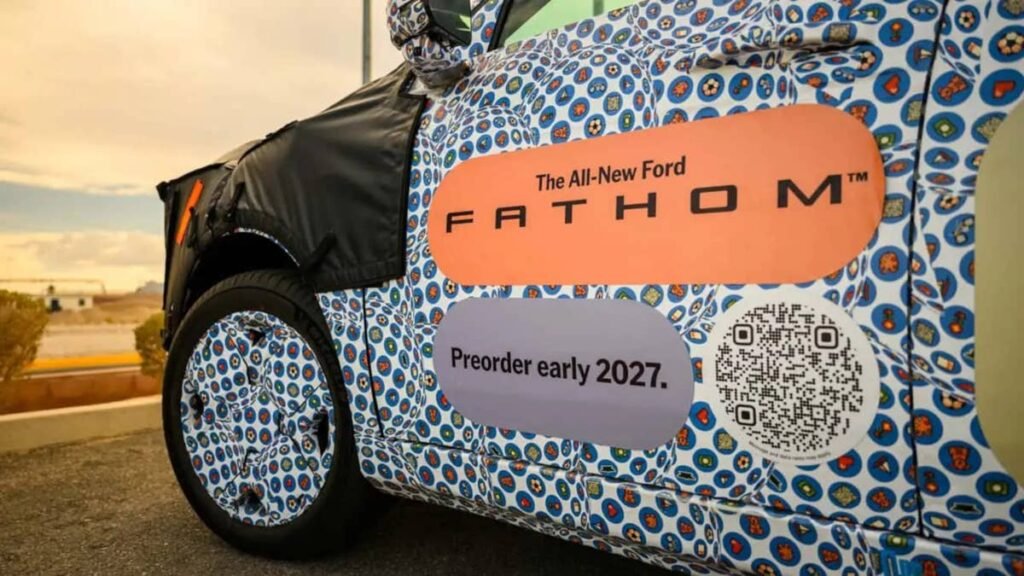
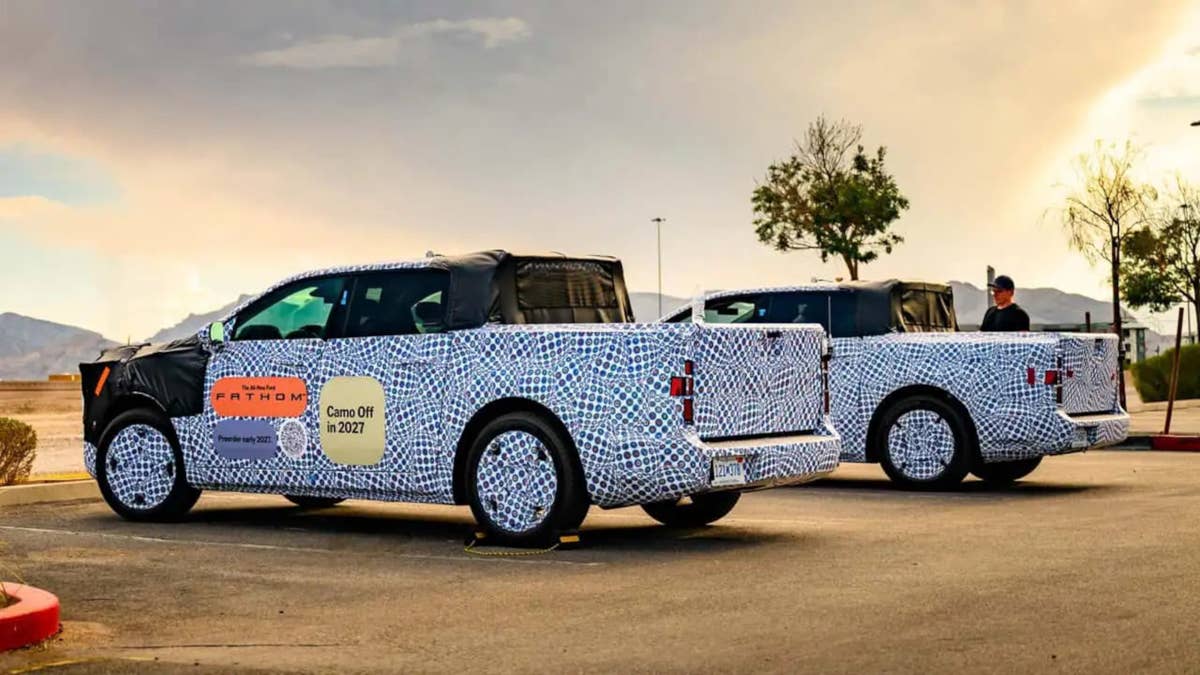
Ford’s upcoming Fathom isn’t supposed to be another expensive electric pickup with a big battery, huge touchscreen and six-figure ambitions. It’s something way more important to Ford: a $30,000 electric vehicle designed around the idea that the easiest way to get Americans into EVs might be to make one cheap enough to compete with gas-powered cars. Now, Ford wants to sell more than 100,000 units of its upcoming Fathom electric pickup in its very first year on sale, according to The Wall Street Journal.
Why Ford Thinks Cheap Can Work This Time
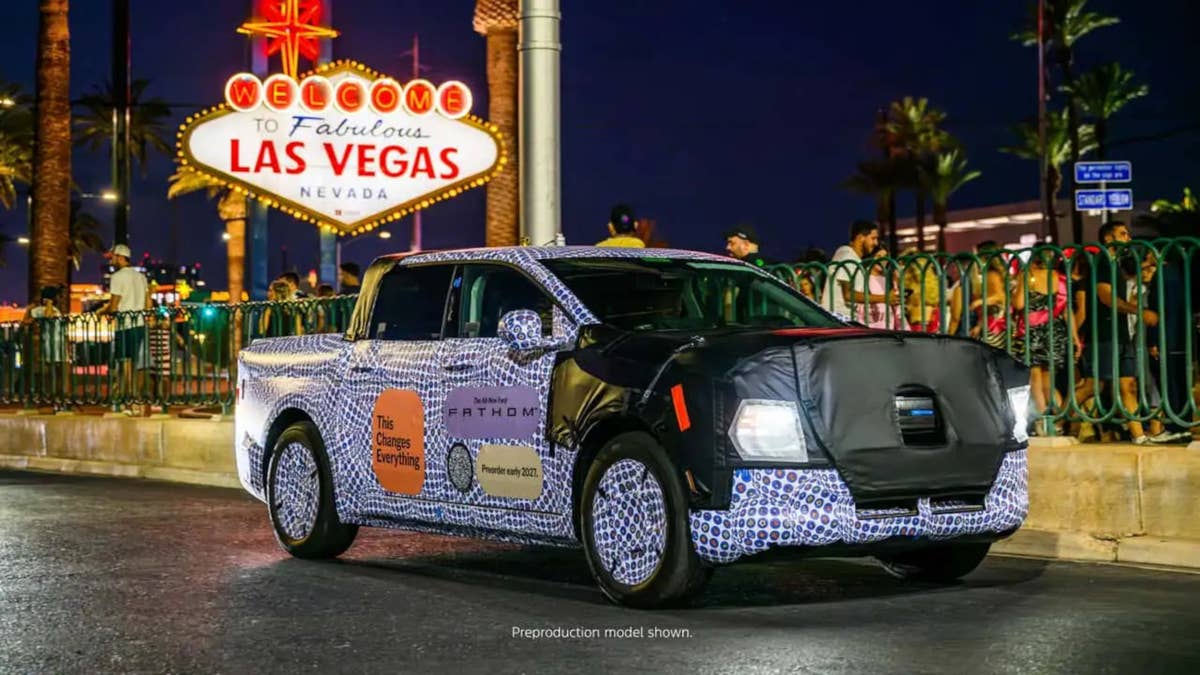
Keep in mind, no automaker apart from Tesla has ever sold six figures of a single EV nameplate in the US within a calendar year. Even the Chevy Equinox EV, the best-selling non-Tesla electric vehicle last year, managed roughly 58,000 units. Ford is essentially asking the Fathom to double the best non-Tesla effort on record, in its debut year. It suggests Ford believes a $30,000 electric pickup can reach buyers that previous EVs simply couldn’t.
Ford has burned itself before on optimistic EV math. The F-150 Lightning was once projected to hit 150,000 units annually. Over its entire four-year run, it managed just over 100,000 total, before getting axed. So this time, the pitch is different. Ford says that its total market is more than just EVs under $40k. Instead of adding EV tech to an existing truck and hoping the price settles down later, Fathom is engineered from the ground up to be cheap, built on a new Louisville assembly line using large single-piece castings, a simplified electrical architecture and cheaper lithium iron phosphate batteries that tolerate frequent full charges without complaint.
Ford is even calling it a “Model T moment” that will “change everything“. Jim Farley has claimed the Fathom will beat a Toyota RAV4 on interior space, aiming squarely at buyers cross-shopping crossovers and gas trucks rather than committed EV loyalists.
The EV Market Isn’t Exactly Cooperating
Call it bad timing, but EVs made up just 5.7 percent of US new car sales in August, down from 10.3 percent a year earlier, with the federal tax credit gone and overall EV sales sliding sharply. Launching an ambitious EV volume play into a shrinking EV market takes confidence. Ford’s counterargument is pricing itself out of the typical EV conversation entirely, competing instead with gas trucks and family crossovers on sticker price alone. Whether $30,000 and a roomy cabin are enough to pull buyers who were never shopping electric in the first place is the real experiment here.