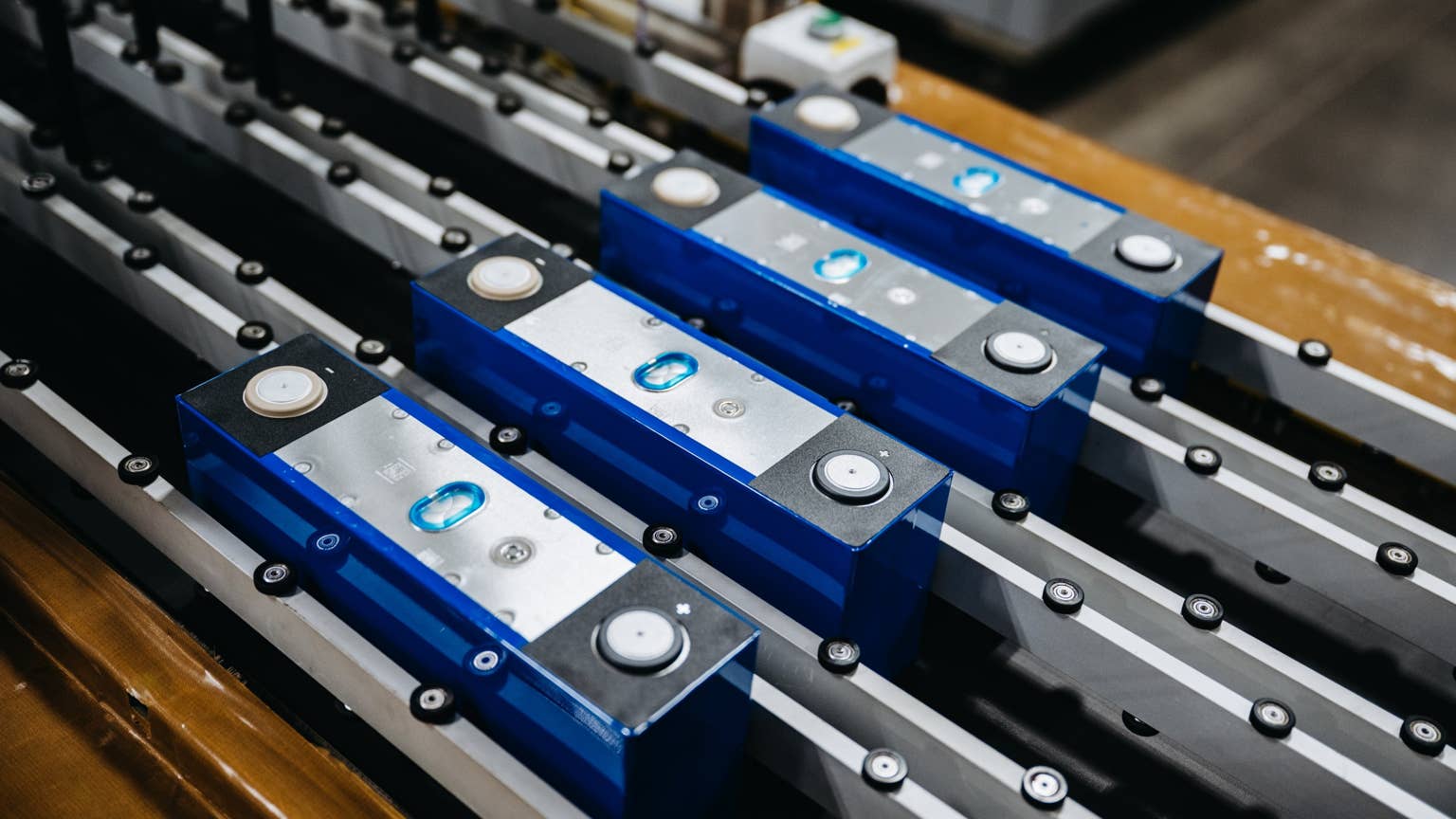
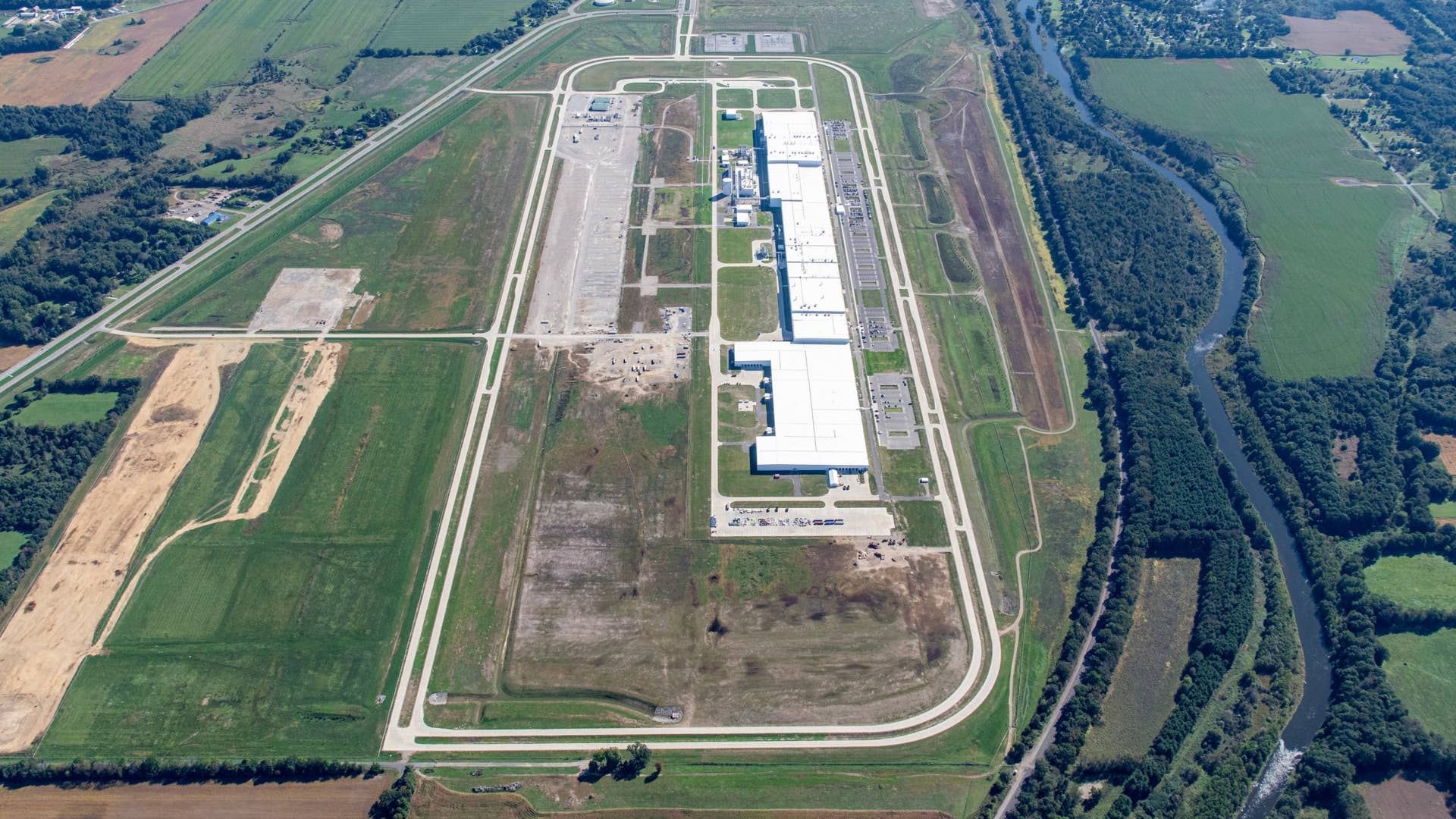
Ford has reached a significant milestone in its electric vehicle ambitions, shipping its first batch of lithium iron phosphate (LFP) prismatic battery cells out of the BlueOval Battery Park factory in Marshall, Michigan.
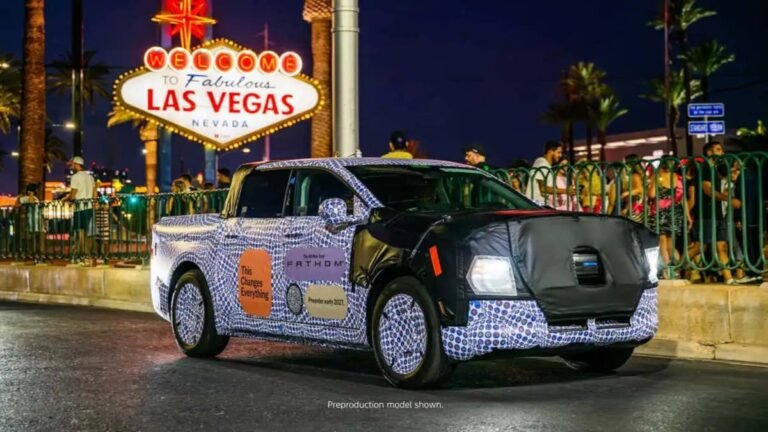
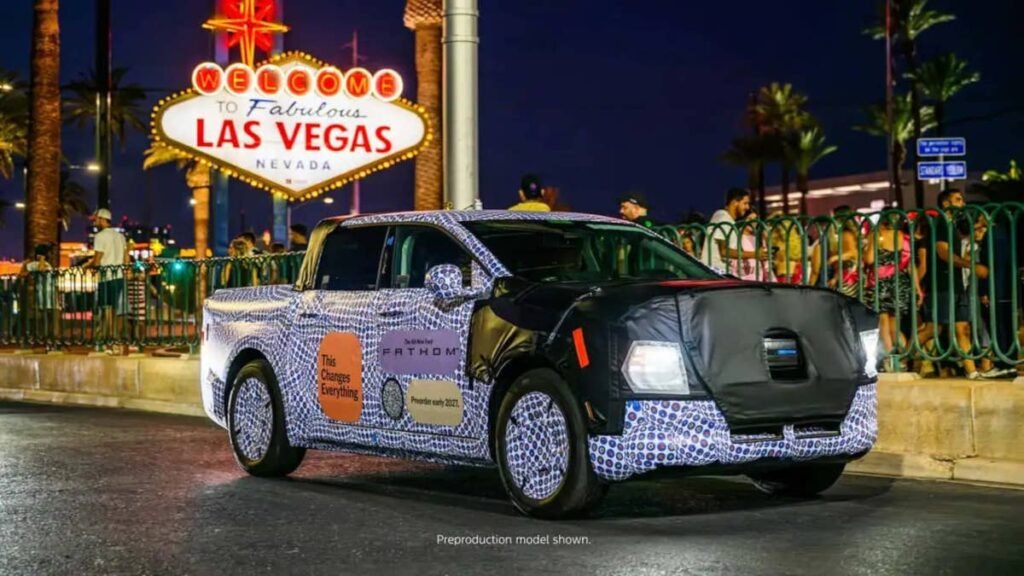
The cells are headed to Louisville Assembly Plant, where they will be used to power prototypes of Ford’s upcoming Fathom midsize electric pickup, as the automaker moves closer to building more affordable EVs using batteries manufactured in-house.
Ford’s LFP Batteries Are Designed to Cut EV Costs
Ford Motor Company
The launch of cell production marks Ford’s entry into battery manufacturing at a facility it owns and operates. Ford says the technology and manufacturing processes will play a key role in reducing EV costs, supporting future vehicle programs, and expanding into stationary energy storage. It’s a big step for a company looking to make electric vehicles more accessible without sacrificing practicality.
Ford chose lithium iron phosphate chemistry for the Fathom, largely because it offers a cost advantage over some other battery technologies. LFP batteries don’t use nickel or cobalt, two materials that can add expense and expose automakers to supply-chain price fluctuations. They are also known for their durability over repeated charging cycles, making them a good fit for vehicles expected to see frequent use.
Ford Motor Company
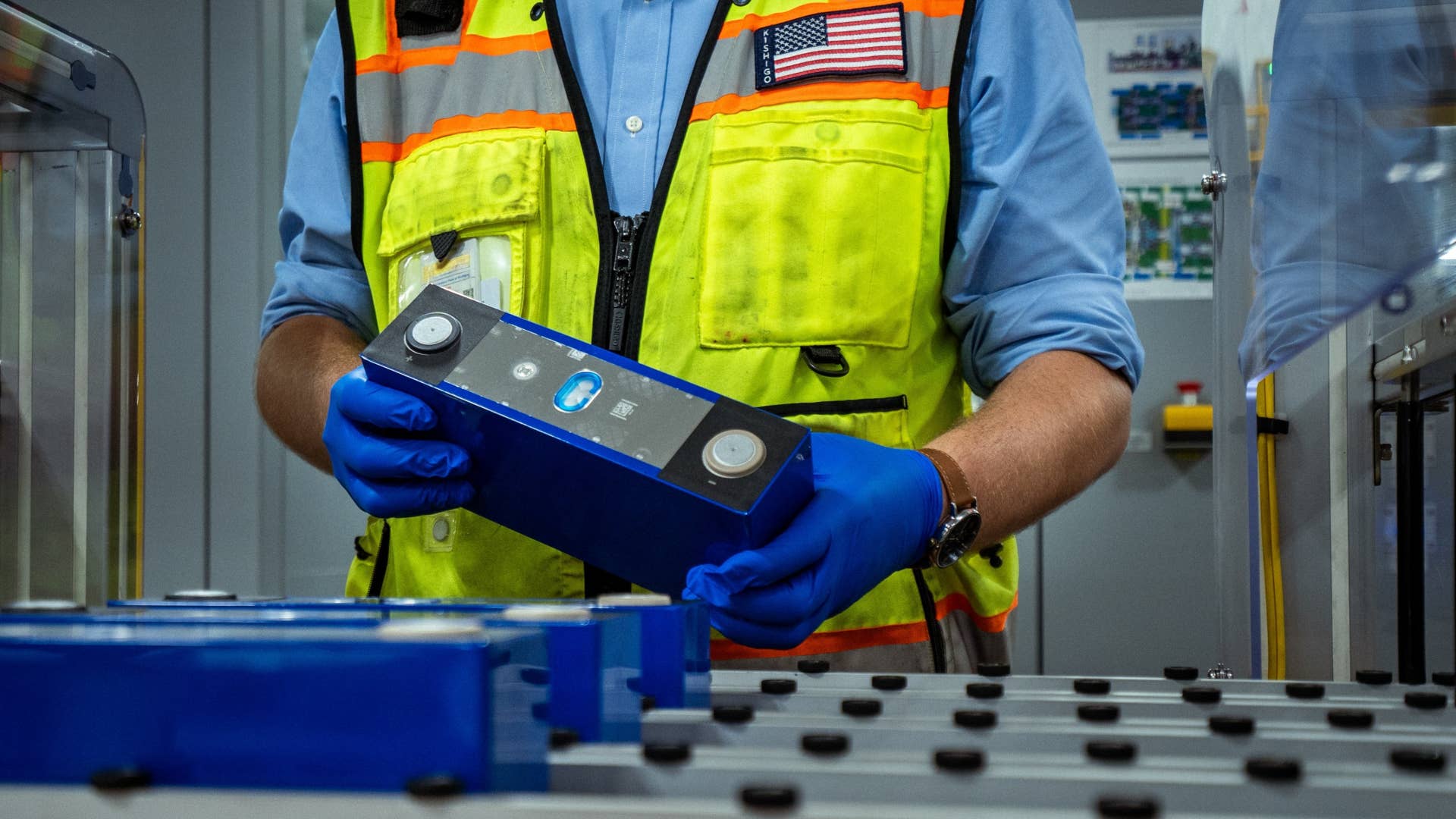
The cells are supplied using technology developed with CATL, the world’s largest EV battery maker, and Ford says it focused on making the battery pack as efficient as possible rather than simply adding more capacity. The prismatic cells have a rectangular shape that allows them to fit neatly into the vehicle’s structure, while the battery pack itself is designed to contribute to the truck’s structural rigidity instead of functioning as a separate component.
Ford has also integrated electrical connections, sensing systems, and power electronics to reduce parts count, weight, and manufacturing complexity. All of that is intended to help keep the eventual vehicle affordable.
Michigan Battery Factory Will Build 40 Cells Per Minute
Ford Motor Company
BlueOval Battery Park Michigan is capable of producing 40 cells per minute, which Ford says puts it among the fastest LFP prismatic cell assembly operations outside China. Maintaining quality at that rate is just as important as speed, and the factory uses AI-powered image recognition and other inspection systems to detect manufacturing defects.
The cells shipped to Louisville will be used in Fathom prototypes, helping Ford refine the battery pack and vehicle ahead of production. The automaker plans to have its battery pack assembly facility in Marshall operational in 2027, ahead of the truck’s launch.

Jim Farley/X
Preorders are expected to open in early 2027, with a starting MSRP of $28,350 (plus a $1,595 destination and delivery fee). If the production launch goes according to plan, Ford will start shipping Fathom pickups to customers later in 2027.
Ford has not yet published official battery capacity, performance, towing or payload figures for the Fathom, which is based on the new Universal Electric Vehicle (UEV) platform. However, MotorTrend estimates the standard LFP pack at roughly 64-67 kilowatt-hours (kWh), with an optional larger nickel-based battery targeting for over 300 miles of range, Ford VP Alan Clarke reportedly confirmed.