
For nearly six decades, the Ford plant at Broadmeadows in Victoria was the beating heart of Australian car manufacturing. Ford Australia opened the Broadmeadows plant in August 1959, before introducing the first locally-made Ford Falcon the following year. Now, Singapore-based Zerra DC has lodged a planning permit with the Victorian government proposing a six-building data centre campus on the historic site. Australia’s auto manufacturing legacy is being rewritten, one server rack at a time.
Ford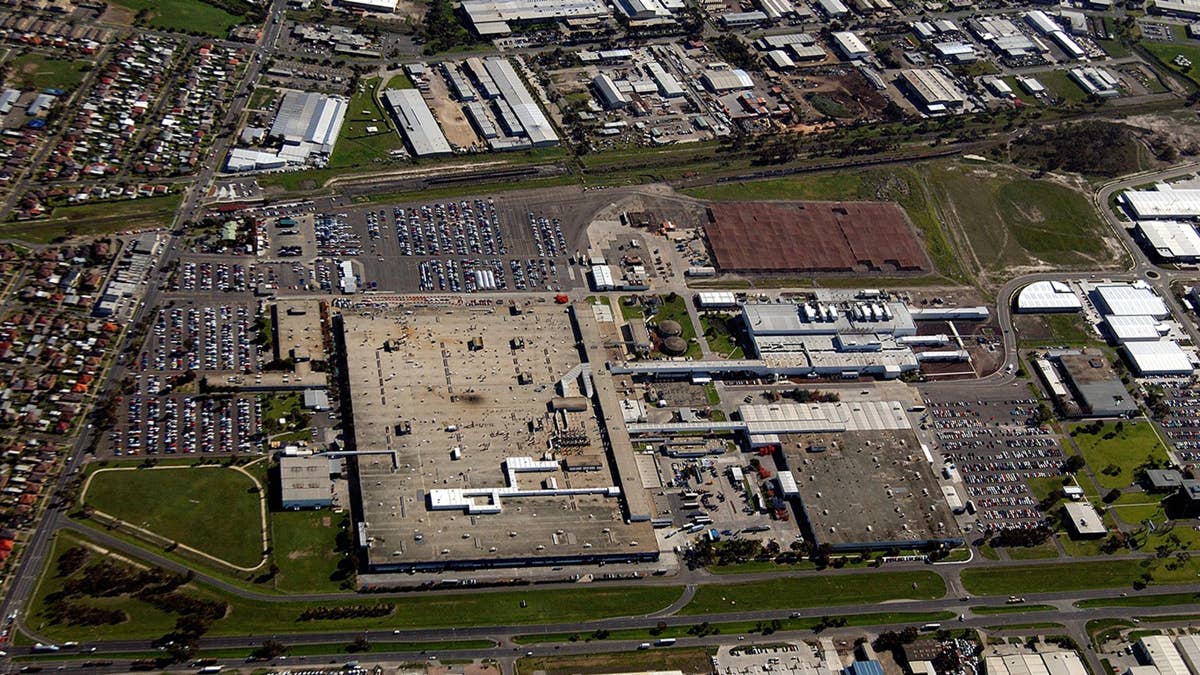
From Assembly Line to Server Farm
At its peak, more than 5,000 workers churned out over 600 cars a day, producing every generation of the Falcon right through to the final FG X, along with the Fairlane, the LTD, and the Falcon-based Territory SUV. It was genuinely one of the most productive auto plants in the Southern Hemisphere. Then, on October 7, 2016, the final vehicle — a Kinetic Blue FG X Falcon XR6 sedan — rolled off the Broadmeadows production line, and an era quietly ended.
Ford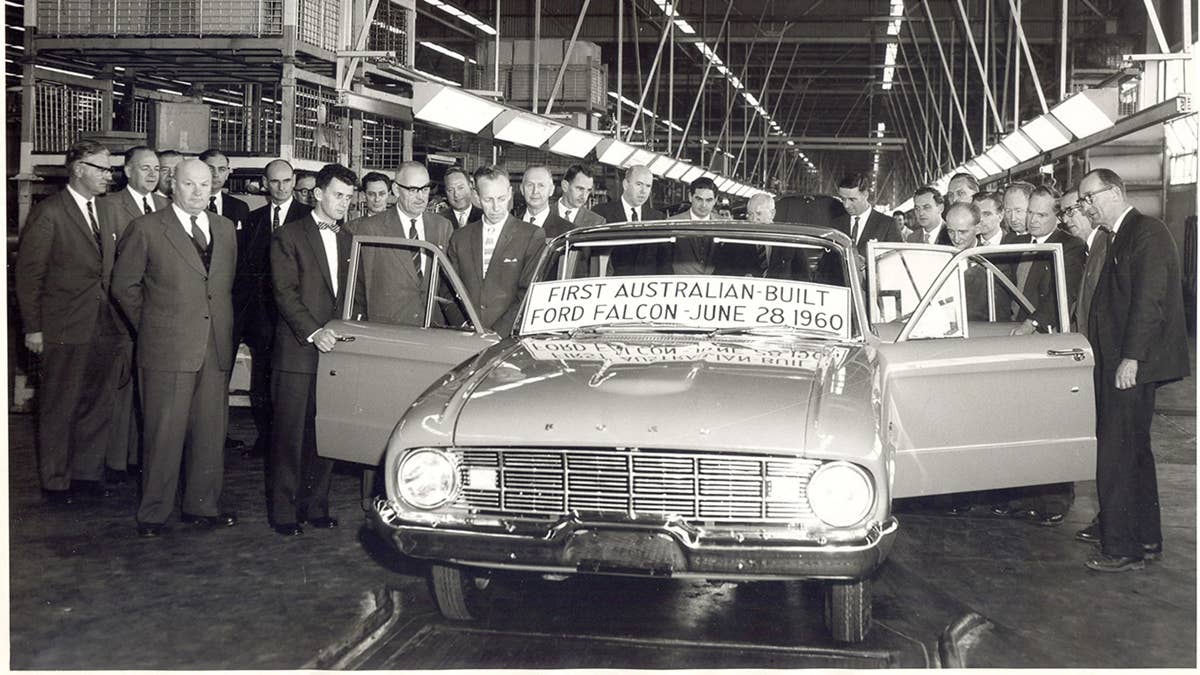
Ford Australia moved its headquarters to the Melbourne suburb of Richmond in 2016 and sold the Broadmeadows plant to the Pelligra Group in 2019. Now the site looks set for its most dramatic transformation yet. It would follow an increasingly familiar pattern in Australia. The former Holden Special Vehicles headquarters in Clayton, which also hosted Volkswagen Beetle manufacturing from 1954 and later served Datsun and Volvo, was demolished in 2025 to make way for a data centre.
Why Old Factories Make Perfect Data Centers
It is not just happening in Australia, though. Vantage Data Centers acquired a former Ford engine plant in Bridgend, South Wales, to convert into a data centre campus. It’s a facility that had produced more than 22 million engines for Ford, Volvo, Jaguar, and Land Rover before closing. The logic is straightforward. Large industrial sites already come with the heavy-duty electrical infrastructure that data centers need, along with the land footprint to build at scale. Brownfield sites like these offer existing connections to high-voltage transmission lines and substations, built-in redundancy, and expansive parcels of land with secure perimeters — ideal for hyperscale or modular data centre campuses. For AI infrastructure developers racing to meet surging demand, a shuttered factory is a head start, not a relic.