The fascination with Michelangelo Merisi da Caravaggio continues unabated, and for good reason. Not only was Caravaggio the most impressive Italian painter since the death of his namesake, Michelangelo Buonarroti, less than a decade before his birth, but his reputation as the “damned artist” lends itself to questions about his character, sexuality, politics, and professional practice.
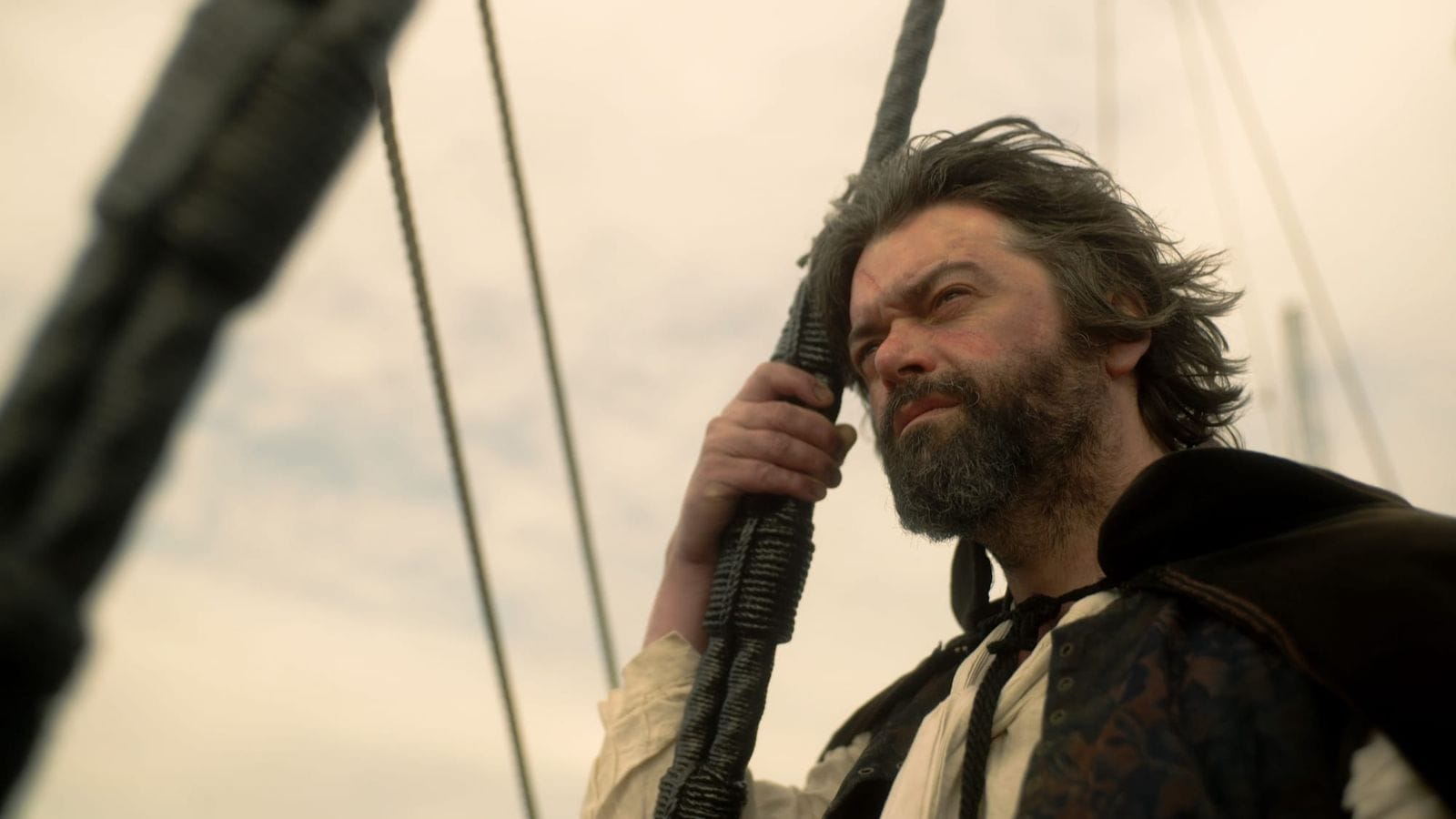
Today, we have a tendency to see him as a solitary, bellicose figure, and Caravaggio (2025), a documentary drama directed by David Bickerstaff and Phil Grabsky, does nothing to dissuade us, even though the story it tells is one of constant collaboration. Among the experts telling Caravaggio’s story are the brilliant art historian Helen Langdon; the head of Christie’s research and expertise department, Letizia Treves; art historian Fabio Scaletti, to give an Italian perspective; and the artist Stephen Nelson. The film serves as a salutary primer, full of long pans up and down his most famous works so we can see up close what is normally kept well away from us in churches and museums, but we should be wary of what it tells us about the personality of its subject.